
Как работает машина для сортировки пластика?
Машины для сортировки переработки пластика произвели революцию в индустрии управления отходами, позволяя точно разделять смешанные пластики, которые ранее было невозможно перерабатывать эффективно. Понимание работы этих передовых систем важно для операторов перерабатывающих предприятий, специалистов по управлению отходами и инвесторов, входящих в бизнес переработки пластика.
Это комплексное руководство объясняет технологию электростатического разделения, лежащую в основе современных машин для сортировки переработки пластика, подробно описывая каждый этап процесса — от подготовки материала до конечного вывода.
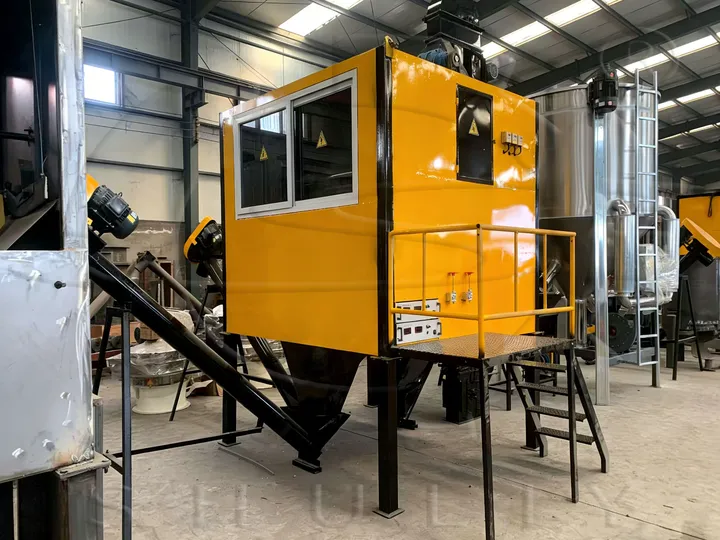
Что такое электростатическое разделение пластика?
В основе каждой современной машины для сортировки переработки пластика лежит технология электростатического разделения — физический процесс, использующий уникальные электрические свойства различных полимерных материалов. В отличие от методов флотации по плотности или оптической сортировки, электростатическое разделение основывается на фундаментальном принципе, что разные пластики приобретают и удерживают электрические заряды по-разному.
Когда пластик проходит через высоковольтное электростатическое поле, он приобретает заряд за счет трибоэлектрических эффектов. Каждый тип полимера — PET, PVC, ABS или PC — обладает характерной полярностью и силой заряда. Машина для сортировки пластика использует эти различия для достижения точности разделения свыше 99%.
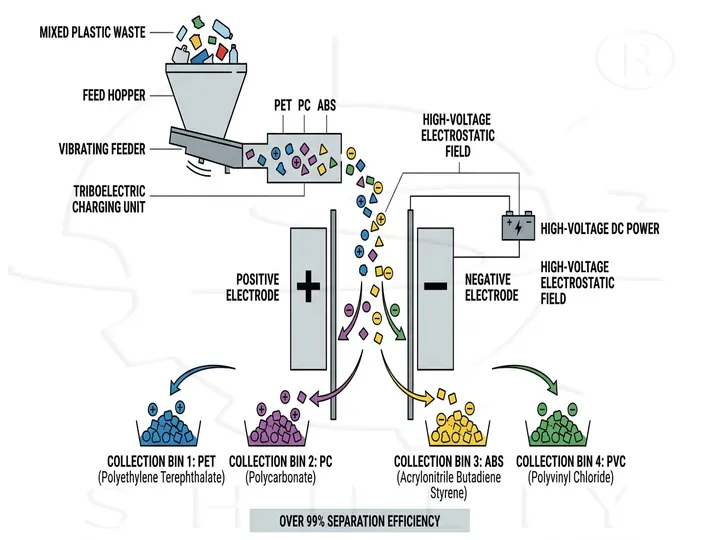
Полный рабочий процесс: шаг за шагом
Шаг 1: Подготовка материала и уменьшение размера
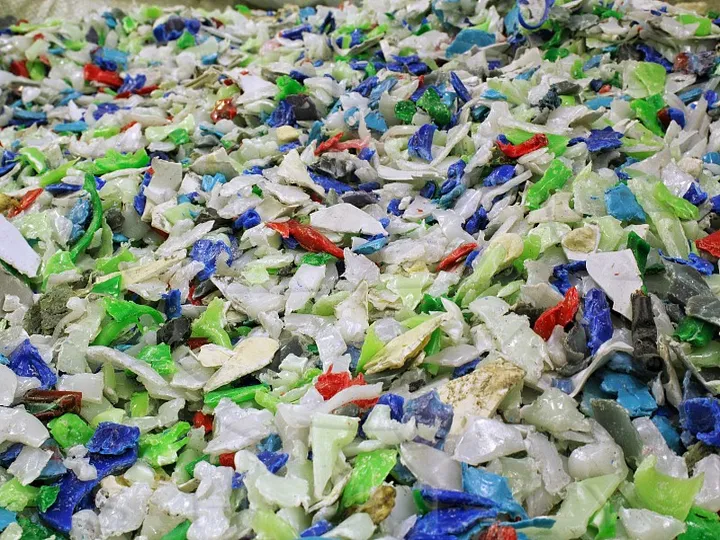
Перед входом в машину для сортировки переработки пластика исходный пластиковый мусор должен пройти подготовку. Смешанные пластиковые материалы из электроники, автомобильных компонентов или бытовых приборов сначала измельчают до однородных фрагментов размером 5-20 мм с помощью промышленных дробилок.
Этот размер критичен для оптимальной электростатической зарядки. Частицы меньше 5 мм могут создавать избыточную пыль, а фрагменты больше 20 мм заряжаются неравномерно и мешают точности разделения. Подготовленный материал затем проходит через оборудование для удаления ферромагнитных и немагнитных загрязнений, которые могут повредить систему сортировки.
Тщательная очистка удаляет этикетки, клеи и поверхностные загрязнения, которые могут мешать эффективности зарядки. Правильно подготовленный материал обеспечивает стабильную работу разделения и максимальную пропускную способность машины.
Шаг 2: Зарядная зона — сердце разделения
Подготовленные фрагменты пластика попадают в зону зарядки машины для сортировки переработки пластика, где начинается магия электростатического разделения. Высоковольтные коронационные электроды создают интенсивное электростатическое поле в диапазоне от 30 000 до 100 000 вольт.
Когда пластик проходит через это поле, он приобретает электростатические заряды двумя основными механизмами:
Трибоэлектрическая зарядка: физический контакт между частицами пластика и заряжающими электродами передает электроны, оставляя частицы с положительным или отрицательным зарядом в зависимости от их химического состава.
Ионное бомбардирование: свободные ионы в коронационном разряде прикрепляются к поверхностям пластика, усиливая приобретение заряда. Разные полимеры имеют разные электроотрицательности, вызывая у них различное накопление зарядов.
PET (полиэтилентерефталат) обычно приобретает сильные положительные заряды, в то время как PVC (поливинилхлорид) развивает отрицательные заряды. ABS (акрилонитрилбутадиенстирол) и PC (поликарбонат) демонстрируют промежуточные характеристики зарядов, что позволяет многослойное разделение сложных смесей.
Шаг 3: Камера разделения — точная сортировка
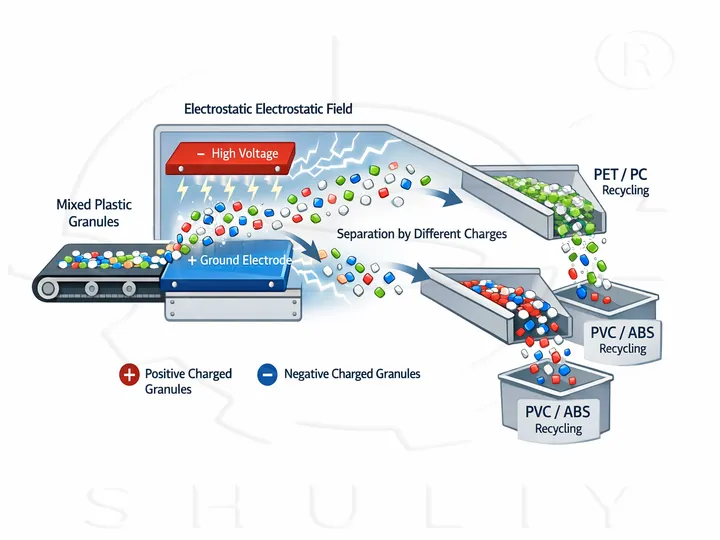
Заряженные частицы пластика попадают в камеру разделения пластика, где встречаются с точно управляемыми электростатическими полями. Высоковольтные отклоняющие электроды создают сильные электрические поля, которые оказывают силу на заряженные частицы согласно закону Кулона:
F = qE
Где F — электростатическая сила, q — заряд частицы, а E — интенсивность электрического поля. Частицы с разными зарядами испытывают разные силы, что заставляет их следовать по разным траекториям через зону разделения.
Положительно заряженные частицы PET притягиваются к отрицательным электродам и отклоняются в сторону одного сборного зоны. Отрицательно заряженные частицы PVC движутся к положительным электродам, попадая в отдельный поток сбора. Нейтральные или слабо заряженные материалы движутся прямо к третьему выходу.
Машина для сортировки переработки пластика использует несколько этапов разделения для сложных смесей. После первичного разделения, удаляющего наиболее сильно заряженные материалы, вторичные и третичные этапы разделяют промежуточные полимеры, такие как ABS, PS и PC, с повышенной точностью.
Шаг 4: системы сбора и вывода
Отделённые потоки пластика выводятся через специальные сборные бункеры, расположенные для захвата каждого типа материала. Машина для сортировки переработки пластика использует пневматические системы транспортировки или гравитационные наклонные желоба для перемещения отсортированных материалов в контейнеры для хранения.
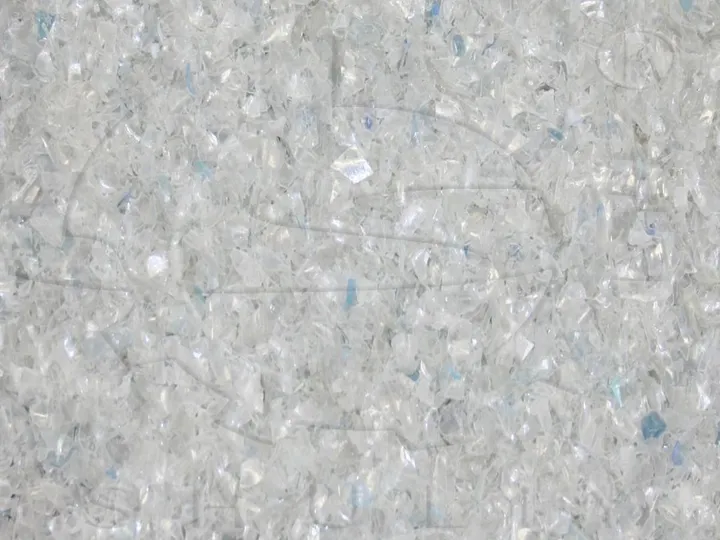
Каждый выходной поток содержит более 99% чистого типа пластика, готового для прямого повторного использования в производстве или дальнейшей переработки в гранулы. Системы мониторинга чистоты в реальном времени с использованием ближнего инфракрасного сенсора или измерителей проводимости постоянно проверяют качество разделения.
Автоматические клапаны сброса циклически переключаются между контейнерами для сбора, обеспечивая непрерывную работу без остановки процесса сортировки. Эта автоматизация увеличивает пропускную способность при сохранении стабильного качества продукции.
Передовые технологии в современных машинах для сортировки переработки пластика
Управление ПЛК и оптимизация процесса
Современные машины для сортировки переработки пластика используют программируемые логические контроллеры (ПЛК) с сенсорными панелями человек-машина (HMI). Операторы контролируют и регулируют:
- Уровни напряжения электродов для различных комбинаций материалов
- Скорости конвейеров, соответствующие характеристикам входного материала
- Интенсивность полей в камере разделения
- Измерения чистоты в реальном времени и сигналы тревоги
Алгоритмы машинного обучения в передовых системах автоматически оптимизируют параметры на основе состава входного материала, уменьшая вмешательство оператора и повышая эффективность.
Многослойная архитектура разделения
Современные машины для сортировки переработки пластика используют каскадные этапы разделения, расположенные последовательно. Каждый этап нацелен на определённые комбинации полимеров:
Этап 1: удаляет сильно заряженные материалы (PET/PVC) Этап 2: разделяет умеренно заряженные полимеры (ABS/PS) Этап 3: уточняет смешанные фракции до чистых потоков (PC/PA)
Этот многоступенчатый подход достигает уровней чистоты, невозможных при одноступенчатых системах, обрабатывая сложные смеси из семи компонентов из автомобильных и электронных отходов.
Дизайн электродов и управление полем
Эффективность работы машины для сортировки переработки пластика зависит критически от геометрии электродов и распределения поля. Современные системы используют:
Коронационный разряд проволочных электродов: тонкие вольфрамовые провода создают равномерный коронационный разряд для стабильной зарядки частиц. Профилированные отклоняющие электроды: изогнутые формы электродов создают управляемые градиенты поля, точно направляющие траектории частиц. Регулируемое расстояние между электродами: моторизованные системы позиционирования оптимизируют интенсивность поля для различных размеров частиц и типов материалов.
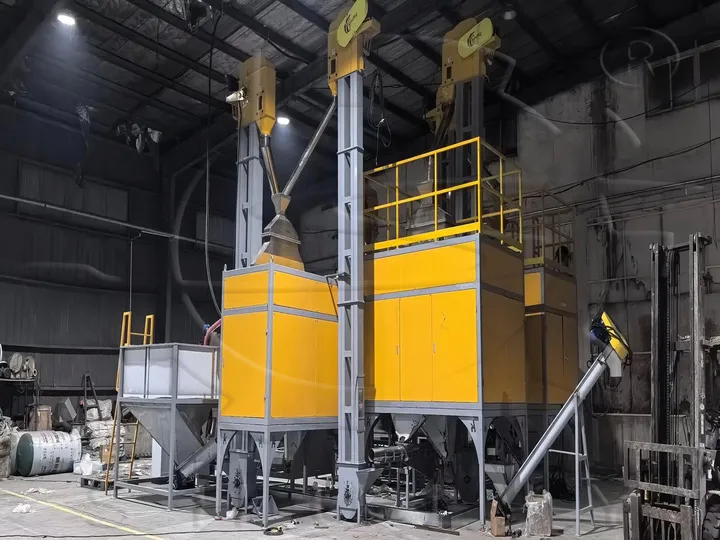
Преимущества электростатического разделения пластика
Понимание работы машин для сортировки переработки пластика показывает, почему электростатическая технология стала предпочтительным методом для современных перерабатывающих предприятий:
Без воды и химикатов: в отличие от систем флотации по плотности, электростатическое разделение не требует воды, поверхностных активаторов или химических добавок. Это исключает расходы на очистку сточных вод и соблюдение экологических требований.
Высокая чистота: физическое разделение на основе молекулярных свойств достигает более 99% чистоты, по сравнению с 85-90% при оптических или плотностных методах. Более высокая чистота обеспечивает более высокие цены от производителей.
Широкий диапазон материалов: технология работает с разнообразными комбинациями полимеров, включая сложные разделения, такие как PET/PVC и ABS/PC, которые превосходят другие методы сортировки.
Низкие эксплуатационные расходы: после начальной подготовки, дробления, процесс потребляет только электроэнергию — никаких расходных материалов, воды или химикатов не требуется.
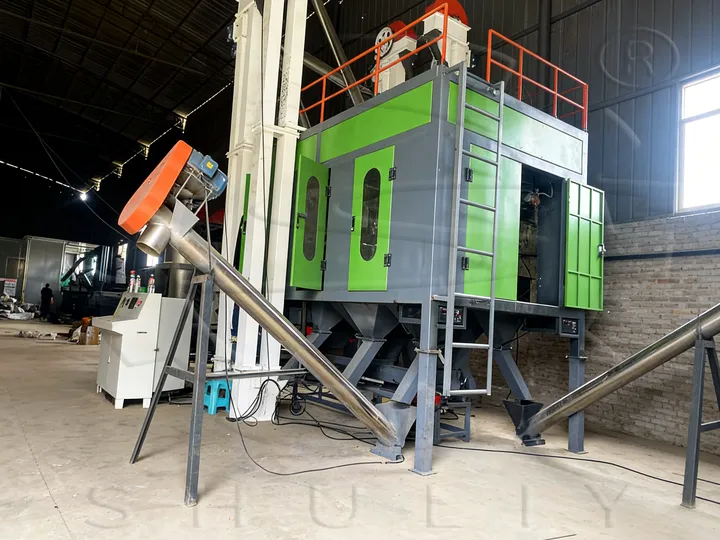
Применения и подходящие материалы
Машины для сортировки переработки пластика отлично справляются с разделением потоков отходов после потребления:
- Переработка электроники: разделение ABS, PC и PP из корпусов компьютеров и бытовых приборов
- Автомобильное восстановление: сортировка смешанных пластиков из внутренних и внешних компонентов автомобиля
- Упаковочные отходы: очистка PET-бутылок и удаление загрязнений PVC
- Промышленные отходы: восстановление инженерных пластиков из производственных отходов
Технология работает с любыми сухими, измельченными пластиками, где компоненты демонстрируют разные электростатические свойства — делая её одной из самых универсальных технологий переработки.
Заключение
Modern plastic recycling sorting machines represent a technological leap in waste management, transforming mixed plastic waste into pure, valuable raw materials through the elegant physics of electrostatic separation. By understanding the charging mechanisms, separation principles, and process optimization techniques detailed in this guide, recycling professionals can maximize their equipment performance and profitability.
По мере роста мирового спроса на переработанный пластик и ужесточения экологических нормативов, технология электростатической сортировки будет играть все более важную роль в создании циркулярной экономики для полимерных материалов. Предприятия, инвестирующие в эти передовые системы сегодня, занимают лидирующие позиции в области устойчивого восстановления ресурсов.
Готовы внедрить электростатическую сортировку пластика в вашу перерабатывающую деятельность? Свяжитесь с Shuliy Machinery, чтобы обсудить ваши потоки материалов и узнать, какая конфигурация машины для сортировки переработки пластика максимизирует ваши показатели восстановления и прибыльность.