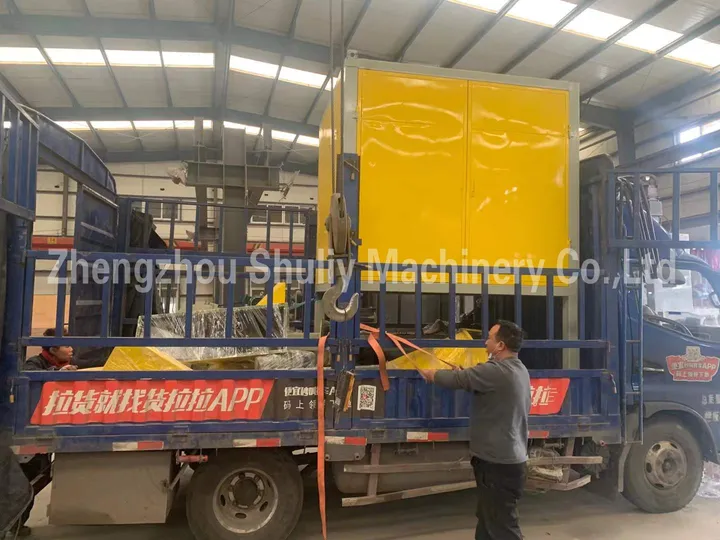
How Much Does a Waste Rubber and Plastic Sorting Machine Cost?
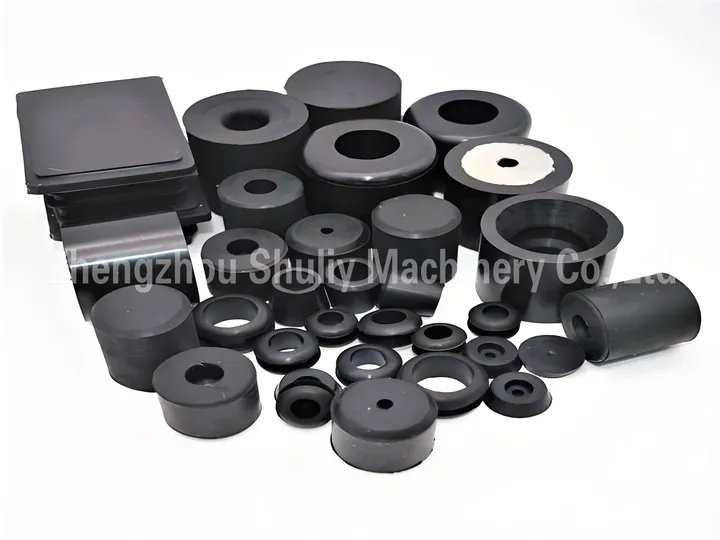
A waste rubber and plastic sorting machine separates silicone rubber and elastic materials from rigid plastics using physical friction and bouncing principles. The machine cost depends on capacity, automation level, construction quality, and configuration. Every recycling project has different requirements, so prices vary between suppliers.
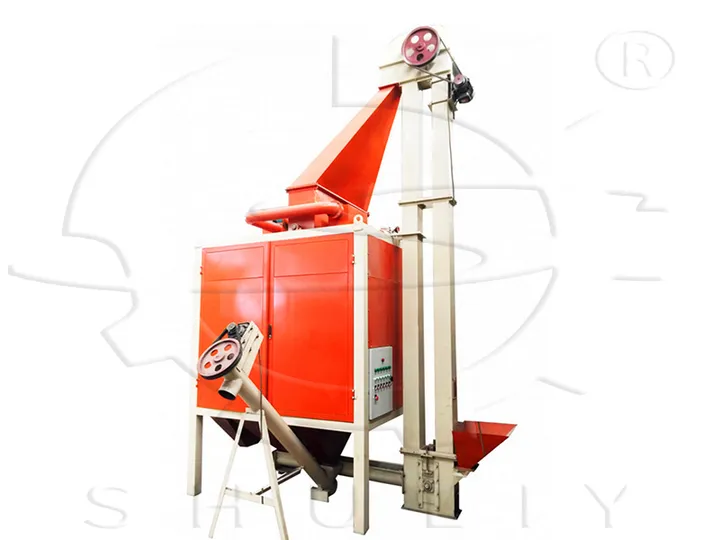
This guide explains what determines the cost of a rubber plastic sorting machine, what features affect pricing, and how to evaluate different options. We focus on machine specifications rather than fixed prices, since accurate quotations require project-specific engineering.
What Factors Affect Waste Rubber and Plastic Sorting Machine Cost?
Several technical factors directly influence the total investment.
1. Processing Capacity
Capacity is the biggest cost driver. The two standard Shuliy models show how capacity affects machine size, power, and price.
| Модель | Власть | Емкость | Измерение | Масса |
|---|---|---|---|---|
| SL-1250 | 9.5 kW | 600-1,000 kg/h | 5,580×2,280×4,250 mm | 3,500 kg |
| SL-1800 | 12.5 kW | 800-1,200 kg/h | 5,580×3,150×4,250 mm | 4,800 kg |
The SL-1800 costs more than the SL-1250 because it has a wider separation surface, stronger motor, and heavier frame. Buyers should match capacity to their daily waste volume rather than choosing the cheapest option.
2. Level of Automation
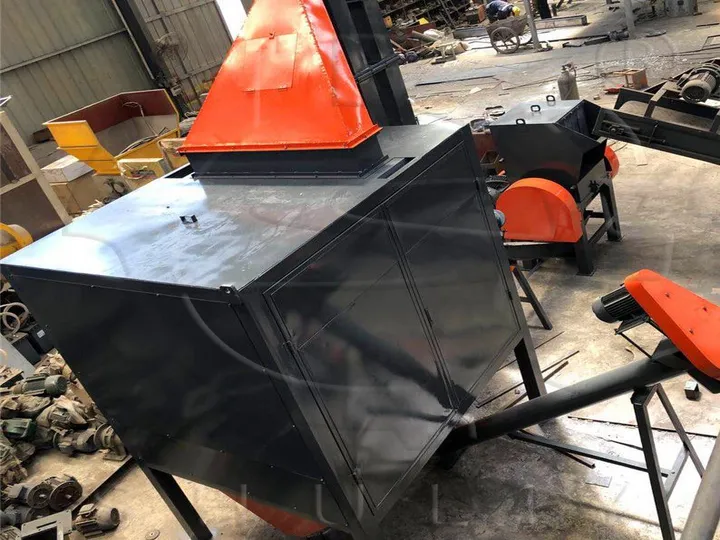
A basic sorting unit costs less than a complete automated line. Full automation includes:
- PLC control system
- 11-inch HMI touchscreen
- Variable frequency feeding system
- Automatic material lifting conveyor
- Self-return system for mixed fractions
- One-person operation design
Automation reduces labor costs and improves consistency. For high-volume operations, the extra investment usually pays back quickly.
3. Construction Materials
Material quality affects both price and service life. Key components include:
- Stainless steel contact surfaces
- Chrome-plated friction surface
- Q235 carbon steel frame
- Imported electrical components
Higher-grade materials increase upfront cost but reduce maintenance and extend equipment life. The chrome-plated mirror surface, for example, maintains consistent friction coefficients longer than untreated steel.
4. Customization Requirements
Standard machines handle common plastic-rubber combinations. Special applications may require customization:
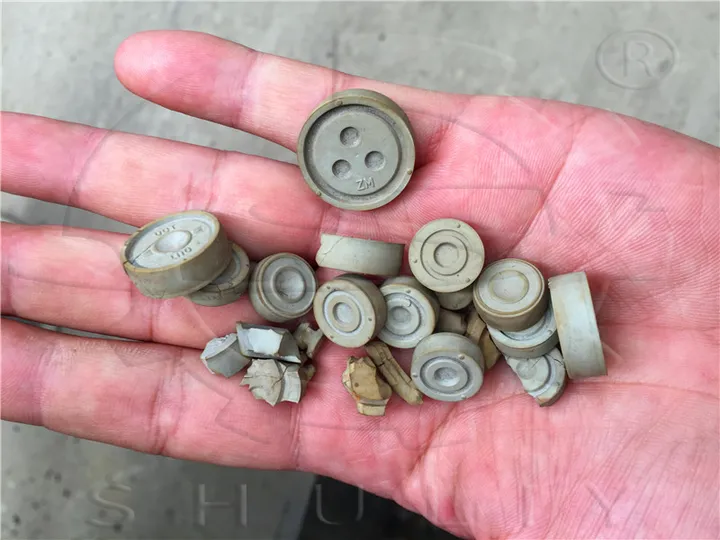
- Medical infusion bottle PP and silicone separation
- Battery casing and silicone plug separation
- Electronic waste ABS/PC and rubber gasket separation
- High-volume appliance plastic recycling
Custom feeding systems, additional separation stages, or special surface treatments add cost.
5. Auxiliary Equipment
A complete recycling line needs more than just the sorting machine. Buyers often add:
- Plastic crusher for size reduction
- Washing line for contaminant removal
- Metal separator for ferrous and non-ferrous removal
- Pelletizing machine for sorted plastic reuse
These supporting machines increase total project investment but improve overall line efficiency.
What Is Included in a Standard Rubber Plastic Sorting Machine?
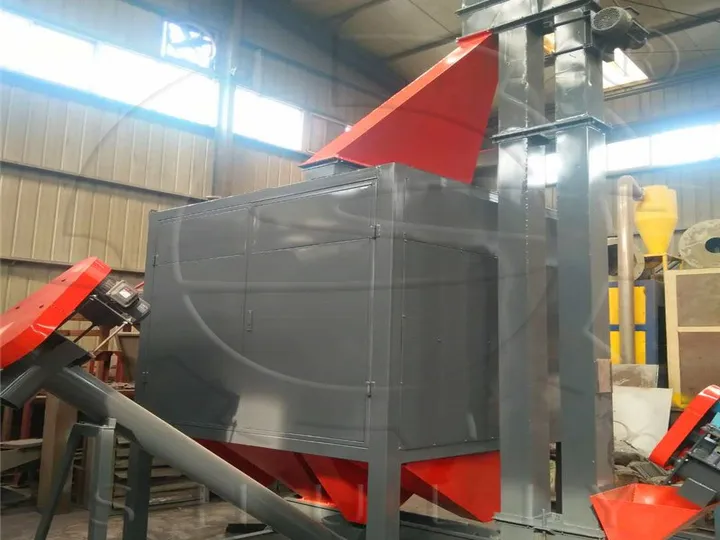
A complete waste rubber and plastic sorting machine from Shuliy includes:
Adjustable Automatic Feeding System
Controls material flow rate and ensures single-layer distribution across the separation surface.
Material Lifting System
Elevates mixed waste to the correct feeding height.
Sorting System
The core mirror friction and bouncing separation unit with the vibrating separation bed.
Automatic Return System
Recycles mixed fractions back to the feeding hopper for reprocessing.
Finished Material Discharge System
Separates rubber and plastic into different collection outlets.
PLC Control Cabinet
Automates operation and monitors system performance.
How Does Machine Design Affect Separation Performance?
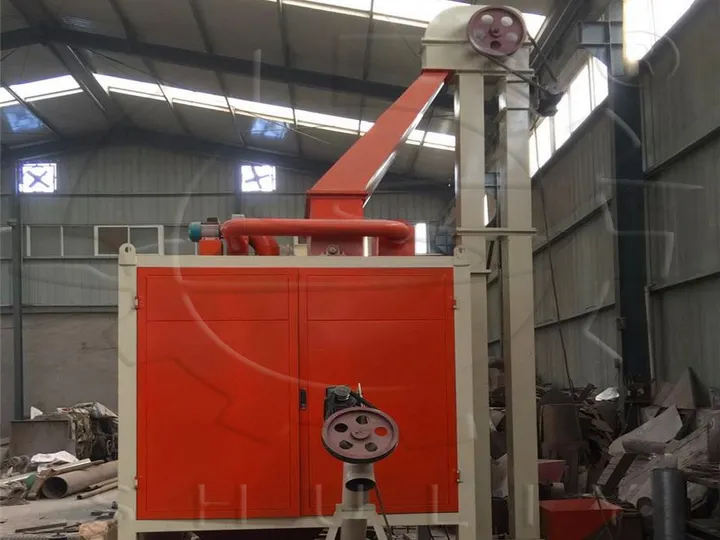
The cost of a rubber plastic separator reflects its separation technology. The mirror friction and bouncing method achieves 99%+ purity through precise mechanical design.
Mirror Friction Surface
The polished stainless steel surface creates predictable friction behavior. Rubber bounces higher than plastic because of its elasticity. The smooth finish ensures consistent results over long production runs.
Surface Angle
The separation bed operates at a specific angle. This angle is adjustable to match different material combinations.
Vibration Frequency
Controlled vibration helps spread material evenly. Frequency adjustment prevents material buildup and improves separation accuracy.
Collection Zone Design
Properly positioned collection hoppers capture separated rubber and plastic streams with minimal cross-contamination.
Better engineering costs more but delivers higher purity, lower waste, and faster ROI.
Why Total Cost of Ownership Matters More Than Purchase Price?
The cheapest waste rubber and plastic sorting machine is not always the most economical choice. Buyers should consider long-term costs.
- Energy Consumption: The SL-1250 uses 9.5 kW and the SL-1800 uses 12.5 kW. Low power consumption keeps operating costs down.
- Labor Costs: Automated operation requires only one worker. Manual sorting needs 8-12 workers for similar output.
- Maintenance Costs: Chrome-plated and stainless steel components resist wear. Lower-quality machines need frequent part replacement.
- Material Value: 99%+ purity increases selling prices. A more accurate machine generates more revenue per ton of sorted material.
- Downtime Costs: Reliable machines with quality electrical components break down less often. Less downtime means higher monthly output.
How to Get an Accurate Quotation?
To receive a meaningful price, buyers should prepare the following information.
- Material Type: What mixed waste will you process? Medical plastics, electronic waste, appliance scrap, or battery casings?
- Daily Volume: How many tons per day do you need to sort?
- Target Purity: What purity level do your buyers require? Standard is 99%, but some applications need 99.5%.
- Final Products: Will you sell sorted plastic, rubber, or further process them into pellets?
- Factory Space: What are your length, width, and height limitations?
- Power Supply: What is your local voltage and frequency?
- Budget Range: Sharing your budget helps suppliers recommend the right configuration.
With these details, suppliers can propose a system that fits actual needs. Generic price lists rarely match real projects.
How to Compare Quotes from Different Suppliers?
When comparing waste rubber and plastic sorting machine quotations, look beyond the total number.
- Check the Component List: Make sure each quote includes the same equipment. Some suppliers exclude control cabinets or return systems.
- Verify Material Specifications: Ask about steel grades, motor brands, and electrical component origins.
- Understand Purity Guarantees: Request test results or guarantees for your specific material mix.
- Ask About Installation and Training: Does the price include installation supervision and operator training?
- Request Reference Customers: Successful installations in similar applications reduce project risk.
- Review Warranty Terms: A 1-year warranty is standard. Some suppliers offer longer coverage on core components.
Key Features Worth Investing In
Some features deliver long-term value and should not be sacrificed for lower cost.
PLC + HMI Control
Precise parameter control improves sorting consistency and reduces operator errors.
Chrome-Plated Separation Surface
Maintains friction properties longer and reduces maintenance frequency.
Imported Core Components
Reliable electrical parts reduce breakdowns and extend machine life.
Automatic Return System
Recycles mixed fractions automatically, maximizing overall purity.
Stainless Steel Contact Surfaces
Resist corrosion and wear from abrasive plastic fragments.
Get a Customized Quote for Your Waste Rubber and Plastic Sorting Machine
Every rubber-plastic recycling project has unique material characteristics and capacity requirements. The cost of a waste rubber and plastic sorting machine depends on these project-specific factors.
Contact Shuliy Machinery with your waste type, daily volume, target purity, and available space. Our engineers will recommend the right model and configuration for your operation.