What Capacity Rubber Plastic Sorting Machine Do You Need?
Choosing the right capacity rubber plastic sorting machine is one of the most important decisions for any recycling business. A machine that is too small creates bottlenecks. A machine that is too large wastes capital and energy.
This guide helps you calculate the correct capacity for your operation. We compare the two main Shuliy models and explain how to match machine output with your waste volume and business goals.
How to Calculate Your Required Capacity?
Before selecting a waste rubber and plastic sorting machine, you need to know your real material volume.
Step 1: Measure Daily Waste Input
Collect data on how much mixed plastic and rubber waste you process each day. Look at:
- Average daily waste volume
- Peak daily volume during busy periods
- Seasonal variations
- Future growth plans
For example, if your facility receives 8 tons of mixed electronic waste per day, and plastic-rubber mixed material represents 40% of that volume, then your sorting line needs to handle 3.2 tons per day.
Step 2: Determine Operating Hours
How many hours per day will the machine run? Most recycling facilities operate 8-16 hours per day. Some run 24 hours.
Divide your daily material volume by operating hours to get required hourly capacity.
| Daily Volume | 8-Hour Shift | 16-Hour Operation | 24-Hour Operation |
|---|---|---|---|
| 4.8 tons | 600 kg/h | 300 kg/h | 200 kg/h |
| 9.6 tons | 1,200 kg/h | 600 kg/h | 400 kg/h |
| 16 tons | 2,000 kg/h | 1,000 kg/h | 667 kg/h |
Step 3: Add a Safety Margin
Always choose a machine with 20-30% extra capacity. This margin handles:
- Unexpected waste volume spikes
- Machine maintenance downtime
- Future business growth
- Material feeding inconsistencies
If your calculation shows a 600 kg/h requirement, consider a machine rated for 800-1,000 kg/h.
Comparing Shuliy Rubber Plastic Sorting Machine Models
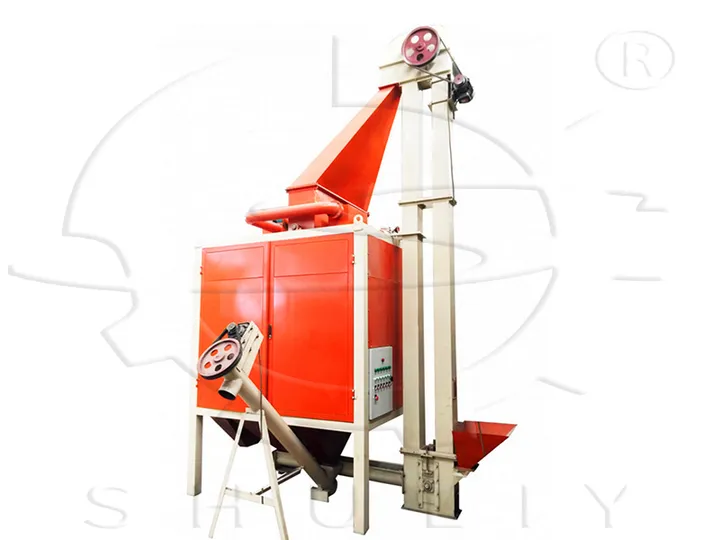
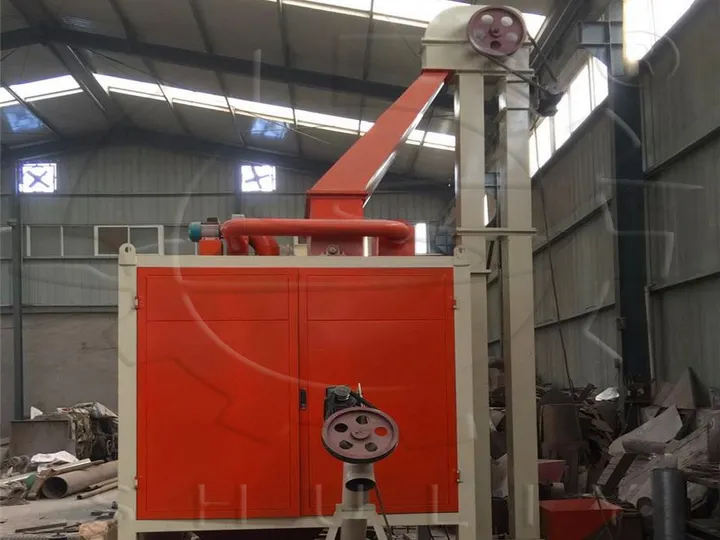
Shuliy offers two standard rubber plastic sorting machines for different capacity needs.
SL-1250: Best for Small to Medium Operations
The SL-1250 handles 600-1,000 kg/hour. It works well for:
- Small e-waste recyclers
- Medical plastic processors
- Battery recycling startups
- Facilities with 4-8 tons of daily mixed material
This model has lower power consumption at 9.5 kW. It requires less factory space. The smaller footprint fits existing recycling facilities.
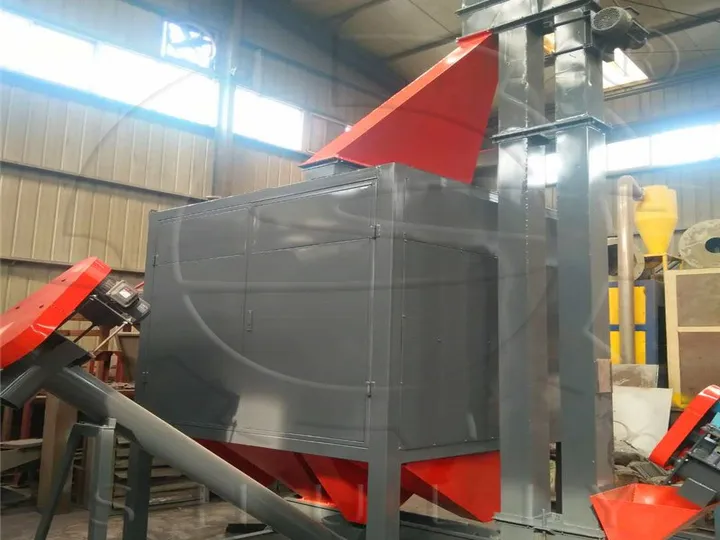
SL-1800: Best for Medium to Large Operations
The SL-1800 handles 800-1,200 kg/hour. It suits:
- Large electronics dismantling plants
- Industrial plastic recyclers
- Battery casing processors
- Facilities with 10-20 tons of daily mixed material
The wider 1,800 mm separation surface processes more material per hour. Power consumption is 12.5 kW. The machine weighs 4,800 kg and needs more installation space.
Matching Capacity to Different Applications
Different waste streams have different density and throughput characteristics.
Electronic Waste Recycling
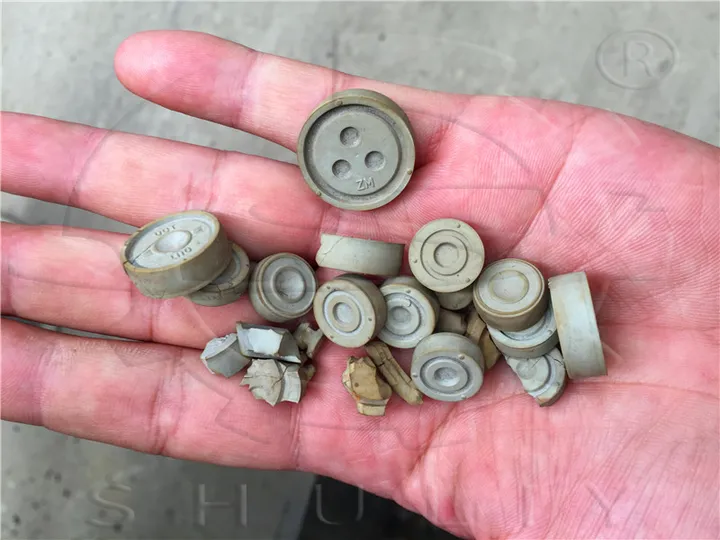
E-waste contains mixed ABS, PC, PP plastics and rubber gaskets. Material density is moderate. A facility processing 10 tons of e-waste daily typically needs an SL-1800 for efficient rubber-plastic separation.
Medical Infusion Bottle Recycling
Medical waste includes PP bottles and silicone components. The material is light and bulky. An SL-1250 often handles 8-10 tons daily volume because feeding can be slower.
Battery Casing Recovery
Battery casings are dense and heavy. Throughput per hour is higher. A facility processing 12-15 tons daily should consider the SL-1800.
Appliance Dismantling
Washing machines, refrigerators, and air conditioners produce large plastic parts with rubber seals. The bulky material requires consistent feeding. Capacity planning should account for 20-30% extra margin.
What Happens If You Choose the Wrong Capacity?
Machine Too Small
A small rubber plastic separator creates several problems:
- Material backlog builds up before sorting
- Operators rush feeding, reducing purity
- Overtime costs increase
- Customer deliveries delay
- Future expansion requires another machine
The false savings of buying a smaller machine often disappear within months.
Machine Too Large
An oversized rubber plastic sorting machine also causes issues:
- Higher purchase price
- More energy consumption per ton when underloaded
- Wasted factory space
- Longer payback period
- Lower efficiency at partial capacity
Match capacity to real needs for best return on investment.
Other Factors That Affect Capacity Selection
Material Preparation Quality
Well-crushed and clean material flows faster through the sorting machine. Contaminated or oversized material reduces effective capacity.
Operator Skill
Experienced operators maintain consistent feeding rates. New operators may run the machine below rated capacity.
Maintenance Schedule
Regular cleaning of the mirror friction surface maintains peak throughput. Neglected machines lose 10-20% capacity over time.
Working Environment
High humidity can cause plastic to stick. Dusty environments affect sensor performance. These factors influence real-world capacity.
How to Plan for Future Growth?
Smart buyers choose capacity based on 3-year business plans, not just current volume.
Year 1: Current waste volume
Year 2: Expected growth of 20-30%
Year 3: Expansion into new waste streams
If you currently process 6 tons daily but plan to reach 12 tons within two years, the SL-1800 is a better long-term choice than the SL-1250.
Calculating ROI by Capacity
Higher capacity machines process more material per hour. This increases revenue potential.
Example with SL-1250:
- Capacity: 800 kg/h average
- Operating: 10 hours/day
- Daily output: 8 tons sorted material
- Sorted plastic value: $600 per ton
- Daily revenue potential: $4,800
Example with SL-1800:
- Capacity: 1,000 kg/h average
- Operating: 10 hours/day
- Daily output: 10 tons sorted material
- Sorted plastic value: $600 per ton
- Daily revenue potential: $6,000
The larger machine generates $1,200 more daily revenue. Over 250 working days, this difference equals $300,000 per year.
Related Products
Electrostatic Plastic Sorting Machine
Separates PET/PVC, ABS/PS, and other plastic combinations after rubber removal.
Plastic Crusher Machine
Prepares mixed waste to the correct size for efficient rubber-plastic separation.
Plastic Washing Line
Cleans sorted plastic flakes for higher resale value.
Metal Separation Equipment
Removes ferrous and non-ferrous metals before rubber-plastic sorting.
Choose the Right Capacity for Your Rubber Plastic Sorting Machine
Selecting the correct rubber plastic sorting machine capacity requires accurate measurement of your waste volume, operating hours, and growth plans. The SL-1250 suits small to medium operations. The SL-1800 fits larger facilities with higher daily throughput.
Contact Shuliy Machinery with your material type, daily volume, and operating schedule. Our engineers will recommend the ideal capacity and configuration for your recycling business.