Metal Chips Briquetting Machine
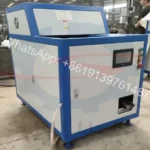
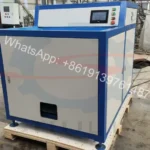
| Machine Types | Vertical Type / Box Type / Twin-Screw Type |
| Nominal Force | 80–160 tons; vertical type: 1,200 kN |
| Briquette Size | 70 × 10–50 mm; Φ100 mm; 180 mm diameter |
| Single Briquette Weight | 0.8–1.5 kg (vertical type); 3–6 kg (box type) |
| Production Capacity | 150–200 kg/h (vertical type); 2–4 briquettes/min (twin-screw type) |
| Compression Ratio | 3.0:1–5:1 (where specified) |
| Main Motor Power | 3.75–7.5 kW, depending on model |
| Auxiliary Motor Power | 2.2 + 1.5 kW (twin-screw type) |
| Control System | PLC control / PLC automatic control; 3-phase 380 V specified for box type |
| Machine Dimensions | 1,200 × 700 × 1,500 mm to 1,600 × 1,150 × 1,400 mm |
| Cooling System | Air-cooled cooler with 80 L oil tank (twin-screw type) |
| Warranty Period | 12 months |
Ahora puede solicitar detalles técnicos a nuestros jefes de proyecto
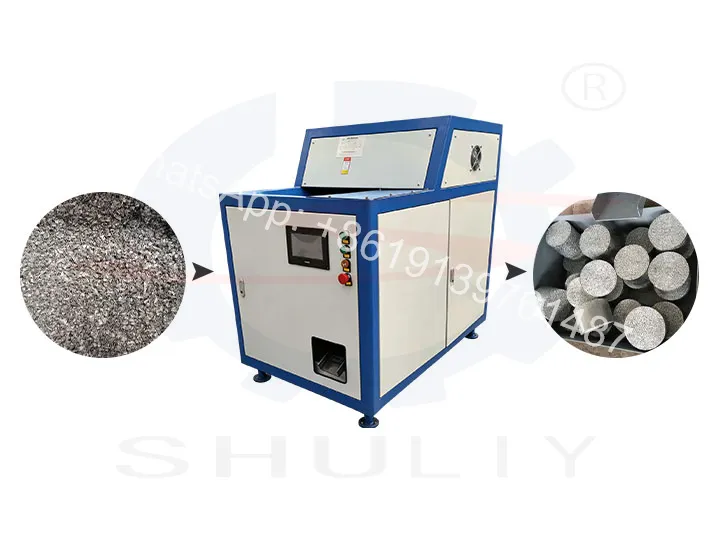
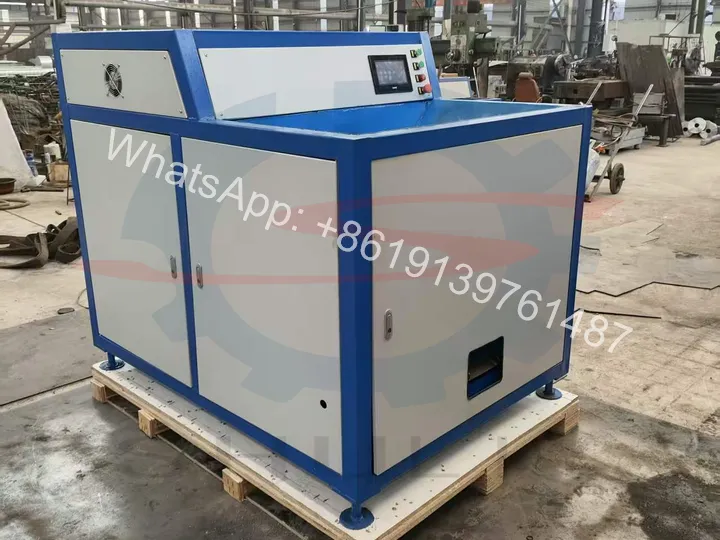
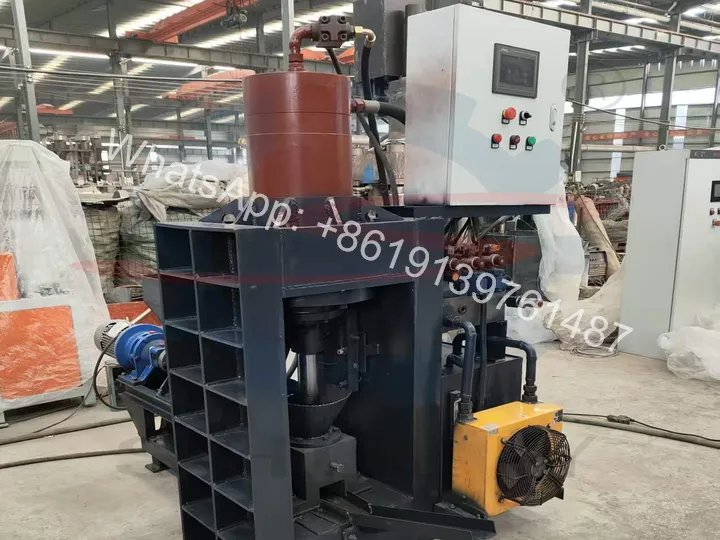
A metal chips briquetting machine is a hydraulic cold-press system designed to compress loose metal swarf, chips, and powder into dense, uniform cakes. It can process 150–200 kg of material per hour, converting iron chips, steel chips, stainless steel chips, aluminum chips, and metal powder into high-density briquettes ready for direct furnace remelting.
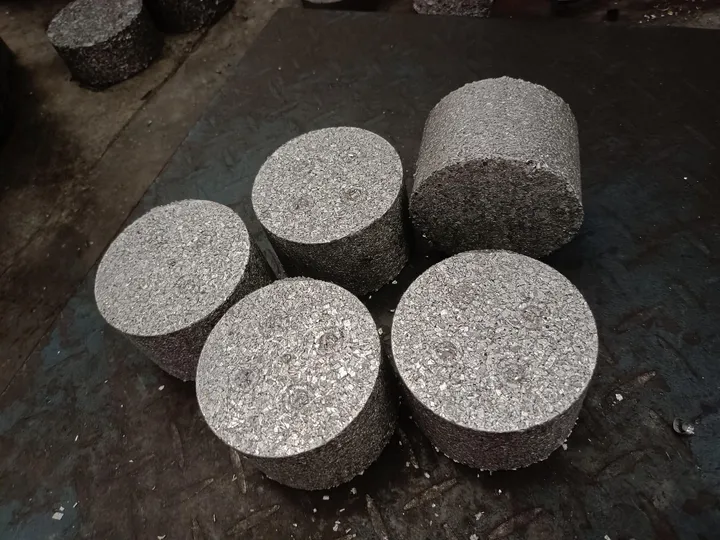
Compared with traditional scrap handling, a metal chips briquetting press works at room temperature. It requires no heating and no additives. The finished cakes reach a density of 2–6 tons per cubic meter. This greatly reduces oxidation loss during melting and improves furnace feeding efficiency.
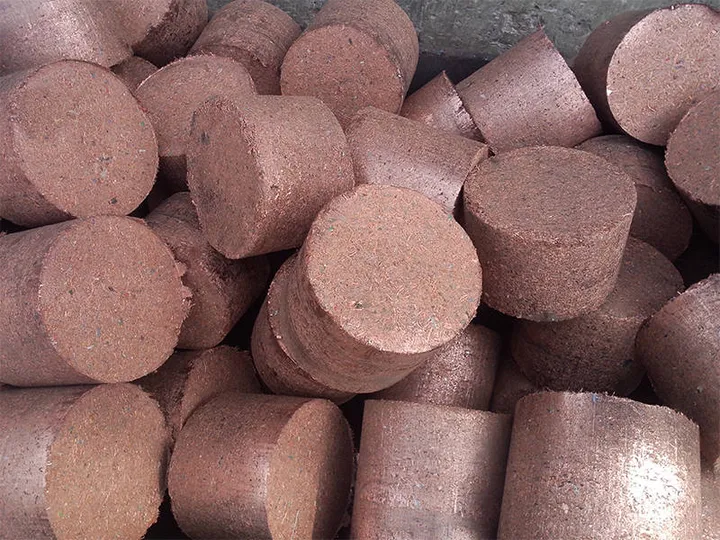
Shuliy offers three types of metal briquetting equipment to match different workshop layouts and output targets. Each metal swarf compactor uses PLC automatic control to keep pressure stable and cake size consistent.
Technical Specifications of the Metal Chips Briquetting Machine
| Artículo | Vertical Type | Box Type | Twin-Screw Type |
|---|---|---|---|
| Nominal force | 1,200 kN | 80 tons | 160 tons |
| System pressure | 13–25 MPa | — | 31.5 MPa |
| Briquette diameter | 180 mm | 70 × 10–50 mm | Φ100 mm |
| Single briquette weight | 0.8–1.5 kg | 3–6 kg (application range) | — |
| Compression ratio | — | 5:1 | 3.0:1 |
| Output | 150–200 kg/h | About 90 s per cycle | 2–4 briquettes/min |
| Main motor | 7.5 kW | 3.75 + 0.75 kVA | 7.5 kW |
| Auxiliary motor | — | — | Screw motor 2.2 + 1.5 kW |
| Feeding opening | — | 450 × 400 mm | 1,000 × 600 mm |
| Control system | PLC control | 3-phase 380 V | PLC automatic control |
| Machine weight | — | 650 kg | — |
| Tamaño de la máquina | 1,200 × 700 × 1,500 mm | — | 1,600 × 1,150 × 1,400 mm |
| Cooling | — | — | Air-cooled cooler, 80 L oil tank |
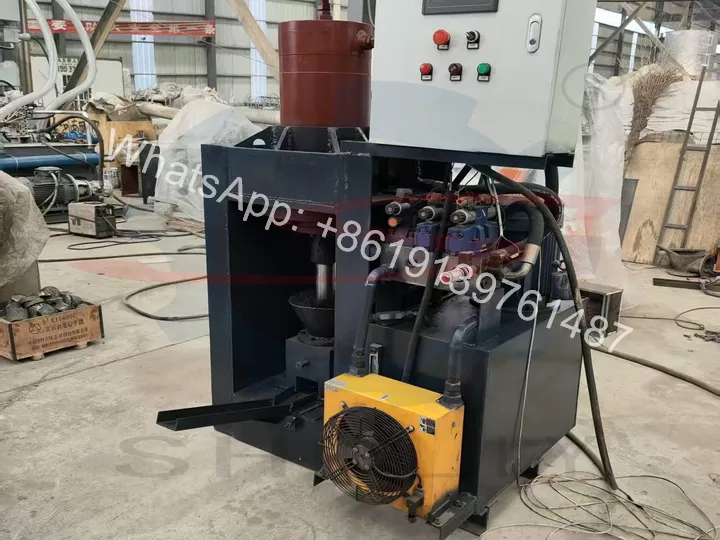
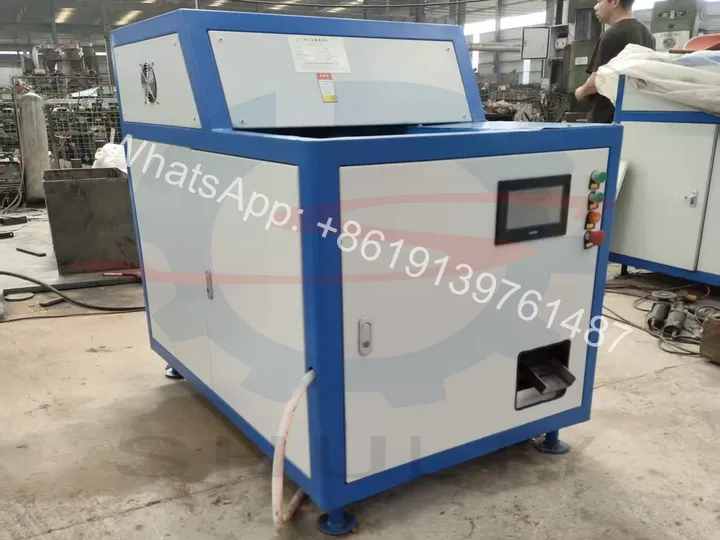
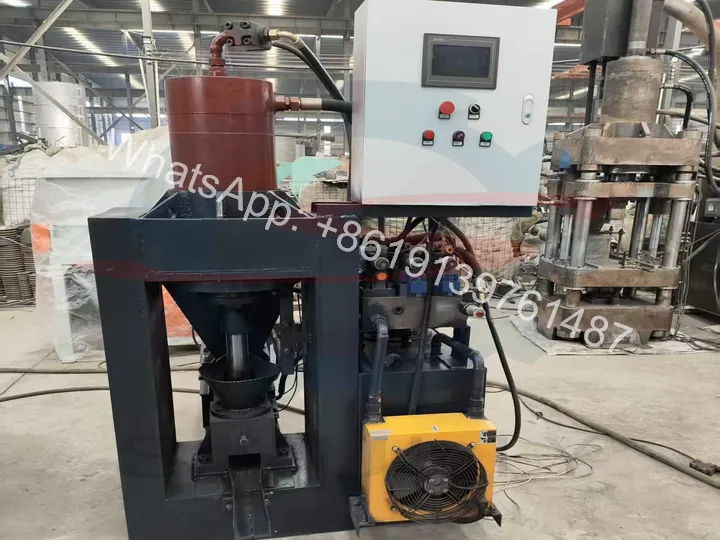
Vertical Metal Chips Briquetting Machine for Small and Medium Workshops
The vertical metal chips briquetting machine is built for compact workshops with limited floor space. It applies a 1,200 kN nominal force through a 300 mm main hydraulic cylinder. The system pressure ranges from 13 to 25 MPa.
This model produces 180 mm diameter cakes weighing 0.8–1.5 kg each. It runs 2–3 cycles per minute and delivers an hourly output of 150–200 kg. A 7.5 kW main motor drives the hydraulic system. PLC control keeps every cycle consistent, so operators can run the machine with minimal training.
Box-Type Metal Chips Briquetting Press for Batch Processing Operations
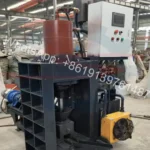
The box-type Metal Chips Briquetting Press is a heavy-duty unit for batch compression of aluminum, iron, and copper swarf. It delivers a maximum pressing force of 80 tons. The 450 × 400 mm feeding opening accepts large volumes of loose chips in one load.
This Scrap Metal Briquette Machine achieves a 5:1 compression ratio on CNC aluminum chips. Each cycle takes about 90 seconds. The compressed material exits at 70 × 10–50 mm. The compact frame weighs only 650 kg and runs on 3-phase 380 V power, so it fits easily into existing production lines.
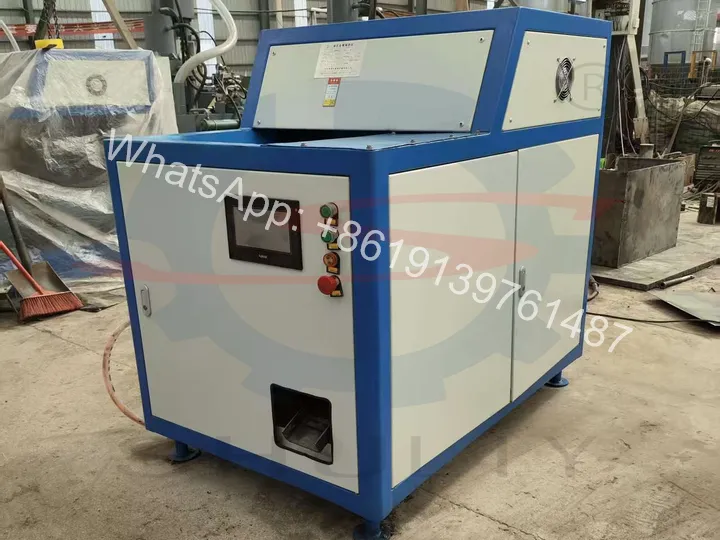
Twin-Screw Metal Swarf Compactor for Continuous High-Output Production
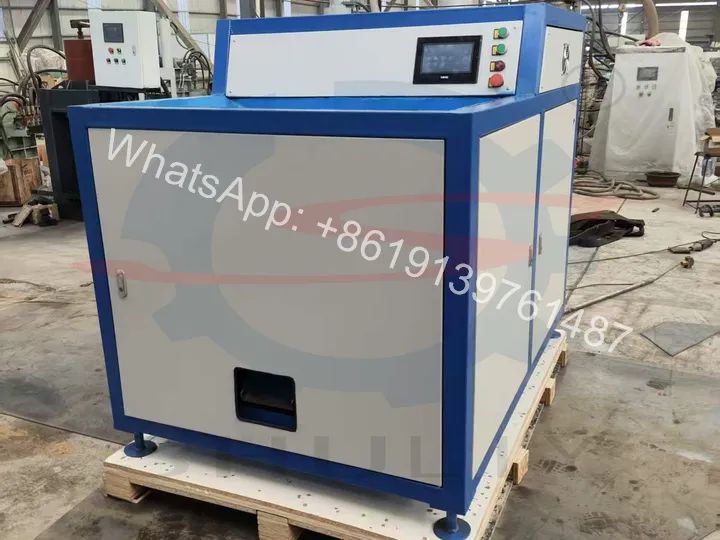
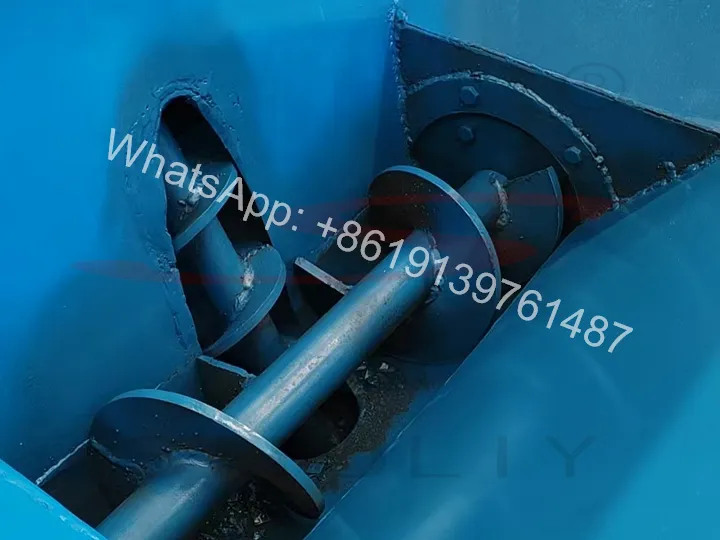
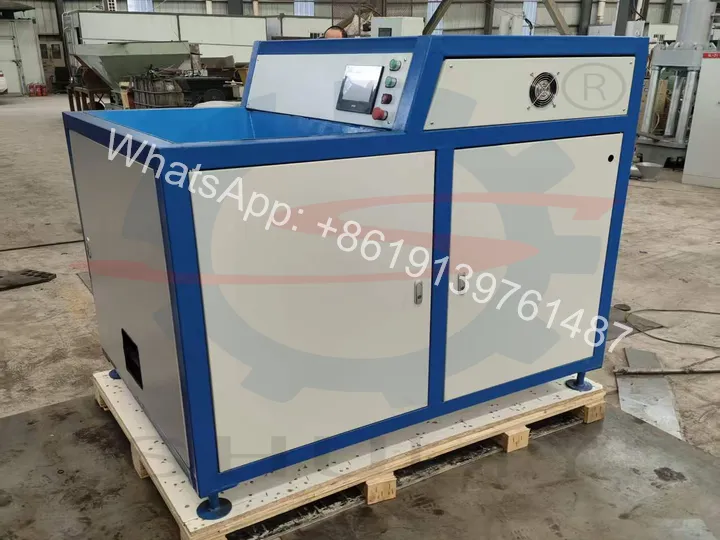
The twin-screw metal swarf compactor is designed for continuous, high-volume metal chip processing. Dual spiral feeders push material evenly into the compression chamber. The system then applies a 160-ton pressing force at 31.5 MPa.
This metal chip briquetting equipment produces Φ100 mm cakes at a rate of 2–4 briquettes per minute. A 7.5 kW main motor and 2.2 + 1.5 kW screw motors power the system. The 1,000 × 600 mm feeding opening handles bulk swarf directly from CNC machines. An air-cooled cooler and 80 L oil tank protect the hydraulic system during long runs. A liquid-level control device collects and separates cutting oil and water from the chips.
How Does a Metal Chips Briquetting Machine Work?
All three models use the same hydraulic compression cycle. The process works as follows:
- Loose metal chips enter the material cylinder from the large hopper above.
- The feeding cylinder extends and resets to position the material.
- A secondary cylinder drives the main ram and punch downward rapidly.
- Once the punch enters the die cavity, the main cylinder applies full pressure and compresses the chips into a dense cake.
- After holding pressure, the auxiliary cylinder pulls the die block back.
- The main ram pushes the finished cake out of the die cavity.
- The ejection cylinder extends and discharges the cake, completing one full cycle.
The entire cycle runs automatically under PLC control. Operators only need to feed material and collect finished briquettes.
Key Advantages of Cold Press Metal Chips Briquetting
- High density without heating. Cold pressing forms cakes at 2–6 tons per cubic meter. No fuel or additive cost is involved.
- Direct furnace remelting. The finished cakes feed directly into melting furnaces. This reduces oxidation loss compared with loose chips.
- Smaller storage and transport volume. A compression ratio of 3:1 to 5:1 cuts the volume of swarf dramatically. Workshops save space and freight cost.
- Clean and safe operation. The enclosed compression chamber contains oil mist and fine metal dust. The liquid collection system recovers cutting fluid for reuse.
- Simple PLC control. Automatic cycles reduce labor intensity. One operator can monitor several machines at once.
Applications of Metal Chips Briquetting Equipment
A metal chips briquetting machine serves a wide range of metalworking facilities, including:
- Aluminum profile factories
- Steel casting plants
- Aluminum casting plants
- Copper casting plants
- CNC machining workshops
- Metal powder processing plants
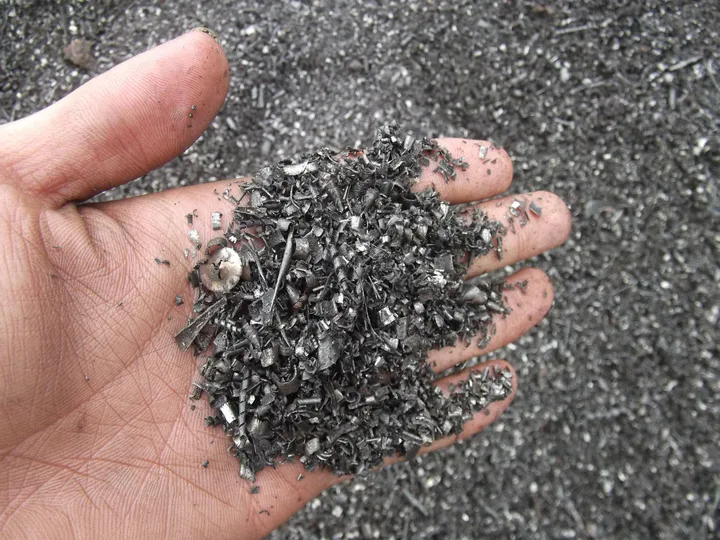
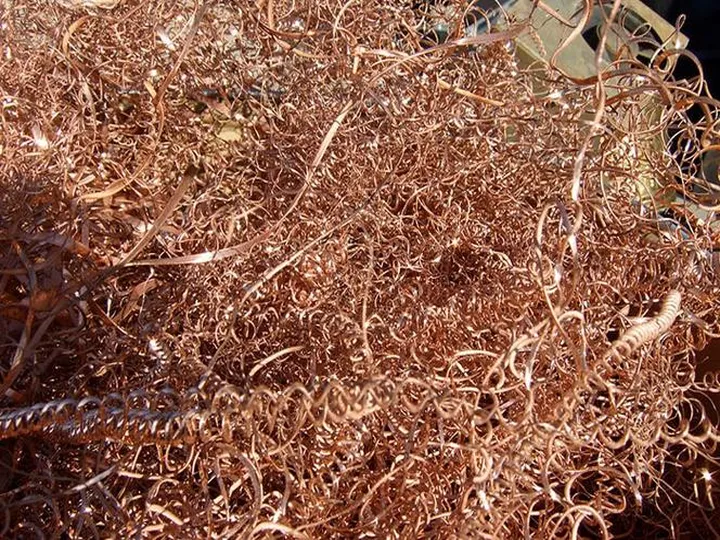
Typical raw materials include iron chips, steel chips, stainless steel chips, aluminum chips, copper chips, and metal powder. All of these can be cold-pressed into cylindrical cakes of 3–6 kg for remelting.
Customer Pain Points and How Our Metal Briquetting Press Solves Them
- Loose chips take up too much space. Loose metal swarf has a very low bulk density. Our briquetting press reduces volume by 3–5 times, freeing up valuable workshop floor space.
- Oxidation causes metal loss during melting. Loose chips expose a large surface area to air. Dense cakes reduce surface contact and cut oxidation loss in the furnace.
- Cutting oil creates waste and pollution. Oil-soaked chips are difficult to store and transport. The twin-screw model collects and separates oil and water automatically.
- Manual packing is slow and costly. The PLC-controlled cycle runs continuously with minimal labor. Output stays stable at 150–200 kg/h or higher, depending on the model.
Why Choose Shuliy Metal Chips Briquetting Machine?
Shuliy Machinery has over 10 years of experience in metal and biomass processing equipment. Our machines are exported to more than 50 countries and regions.
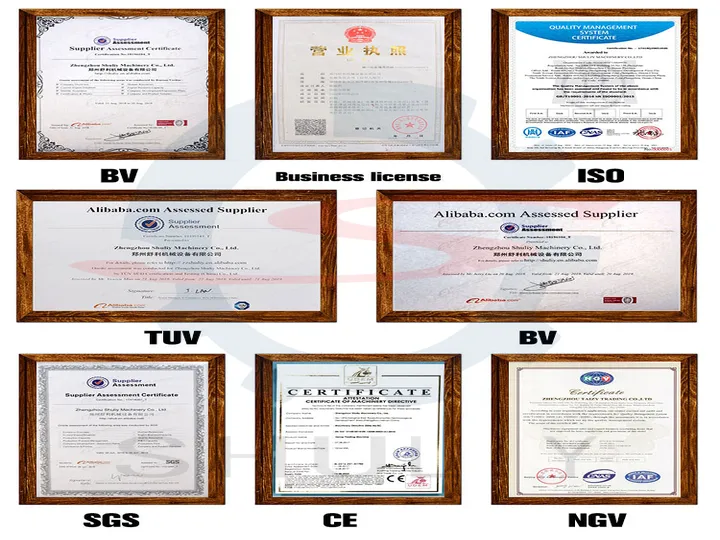
Every metal chips briquetting machine is factory-tested before shipment. We provide detailed operation manuals, installation guidance, and long-term spare parts support. Our engineers can also recommend the right model based on your chip type, daily volume, and workshop layout.
Frequently Asked Questions About Metal Chips Briquetting
Can the briquettes be used directly in induction furnaces?
Yes. Cold-pressed cakes contain no binders or additives. They melt cleanly in induction furnaces, cupola furnaces, and reverberatory furnaces. Most foundries accept them as standard furnace feed.
Do I need three-phase power to run the machine?
Yes. All three models require a three-phase industrial power supply. The box-type unit runs on 380 V. Confirm your local voltage and frequency with our engineers before ordering, and we will match the motor configuration.
How often should I replace the hydraulic oil and seals?
Under normal continuous operation, check hydraulic oil quality every 1,000 working hours and replace it every 2,000–3,000 hours. Replace seals every 8–12 months depending on workload. We supply original seals and oil filters with every order.
Which model should I choose for wet or oily metal chips?
The twin-screw model is the best choice. Its large feeding opening and built-in liquid-level control device handle oil-saturated swarf efficiently. The oil-water separation function keeps your workshop cleaner and recovers coolant for reuse.
Can I adjust the briquette diameter or weight for different buyers?
Yes. The die cavity can be customized for different diameters and thicknesses. Tell us the target size and weight, and our factory will configure the die set accordingly before shipping.
Get a Free Quote for Your Metal Chips Briquetting Machine Today
Tell us your chip type, daily output, and workshop conditions. Our engineers will recommend the most suitable metal chips briquetting machine and send you a detailed quotation within 24 hours.
Related Equipment
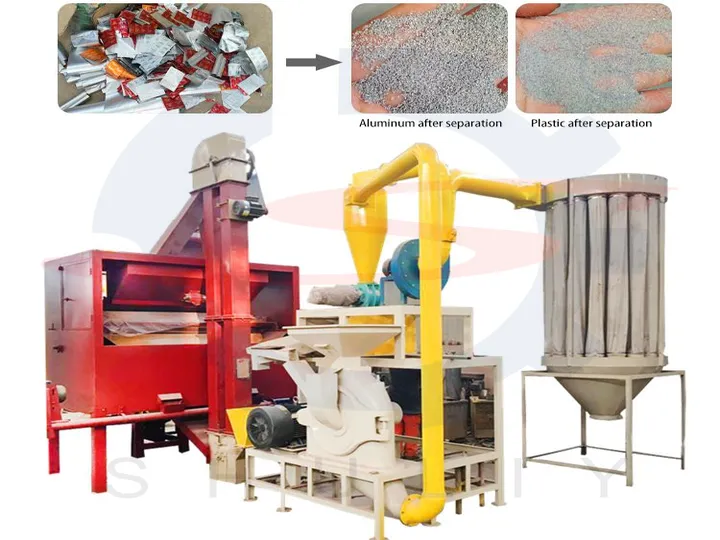
Aluminum Plastic Separator
This dry‑type electrostatic recycling line reaches 200‑800 kg/h throughput, adopting crushing‑grinding‑high‑voltage electrostatic separation without water or chemical reagents. It separates aluminum‑plastic composite waste into high‑purity aluminum and plastic (recovery ≥99.5%). It serves as ideal pre‑processing equipment matching the plastic recycling sorting machine: preliminarily separated plastic fragments flow into the plastic sorting unit for further multi‑plastic classification, forming complete composite‑waste recycling workflow for solid‑waste disposal and e‑waste recycling plants.
- Core Points: Dry pollution‑free physical separation, high‑purity output; pre‑treatment partner for plastic recycling sorting machines.
- After‑sales: 12‑month full‑machine warranty, customizable capacity and factory layout.