What Are the Maintenance Costs of an Activated Carbon Making Machine?
An activated carbon making machine represents a significant long-term investment for any processing facility. Beyond the initial purchase price, buyers must consider ongoing maintenance expenses that directly impact profitability and equipment lifespan.
This guide explains the maintenance requirements and cost factors associated with activated carbon production equipment. We cover routine maintenance tasks, component wear patterns, and strategies to minimize downtime and repair expenses.
What Routine Maintenance Does an Activated Carbon Making Machine Require?
Regular maintenance keeps an activated carbon making machine operating at peak efficiency. Neglecting routine service leads to costly breakdowns and reduced product quality.
Maintenance Schedule Overview
| Maintenance Type | Frequency | Duration | Key Tasks |
|---|---|---|---|
| Daily Inspection | Every shift | 30-60 minutes | Check noise, vibration, lubrication, leaks, dust cleaning |
| Weekly Service | Weekly | 2-3 hours | Heating element check, sensor calibration, belt inspection, fan cleaning |
| Monthly Maintenance | Monthly | 4-8 hours | Filter replacement, refractory inspection, roller alignment, safety test |
| Quarterly Service | Quarterly | 1-2 days | Bearing lubrication, gearbox oil change, comprehensive inspection |
| Annual Overhaul | Annually | 3-5 days | Major component replacement, refractory repair, system upgrade |
Daily Maintenance Tasks
| Task | Purpose | Time Required |
|---|---|---|
| Check moving parts for noise /vibration | Identify bearing wear early | 10 minutes |
| Verify lubrication levels | Prevent bearing failure | 5 minutes |
| Inspect seals and gaskets | Maintain oxygen-limited furnace | 10 minutes |
| Clean electrical cabinets | Prevent overheating | 15 minutes |
| Document inspection results | Track maintenance patterns | 10 minutes |
Daily maintenance takes 30-60 minutes but prevents major failures. Document all inspections in a logbook to track patterns and predict component wear.
Weekly Maintenance Procedures
| Task | Purpose | Time Required |
|---|---|---|
| Examine heating elements | Detect degradation before failure | 20 minutes |
| Test temperature sensors | Ensure accurate control | 15 minutes |
| Check conveyor belt tension | Prevent slippage and wear | 15 minutes |
| Inspect fan blades | Maintain airflow efficiency | 20 minutes |
| Clean air passages | Prevent overheating | 30 minutes |
The activated carbon manufacturing system uses high temperatures that accelerate component aging. Weekly checks catch problems before they cause unplanned shutdowns.
What Are the Wear and Replacement Costs of an Activated Carbon Making Machine?
Different components of an activated carbon making machine have varying service lives and replacement costs.
Component Lifespan and Maintenance
| Component | Typical Lifespan | Replacement Frequency | Key Wear Indicators | Maintenance Priority |
|---|---|---|---|---|
| Refractory lining | 12-24 months | Annual inspection | Cracks, erosion, hot spots | Critical |
| Heating elements | 6-18 months | Quarterly check | Discoloration, resistance change | Critical |
| Seals and gaskets | 3-6 months | Monthly check | Hardening, cracking, leaks | High |
| Support bearings | 2-3 years | Quarterly lubrication | Noise, vibration, temperature | High |
| Drive motors | 5-8 years | Annual service | Current draw, insulation resistance | Medium |
| Conveyor flights | 12-18 months | Monthly thickness check | Wear, cracking | High |
| Temperature sensors | 2-4 years | Annual calibration | Drift, slow response | Medium |
| PLC components | 8-10 years | Firmware updates | Error codes, communication faults | Low |
Refractory Lining Maintenance
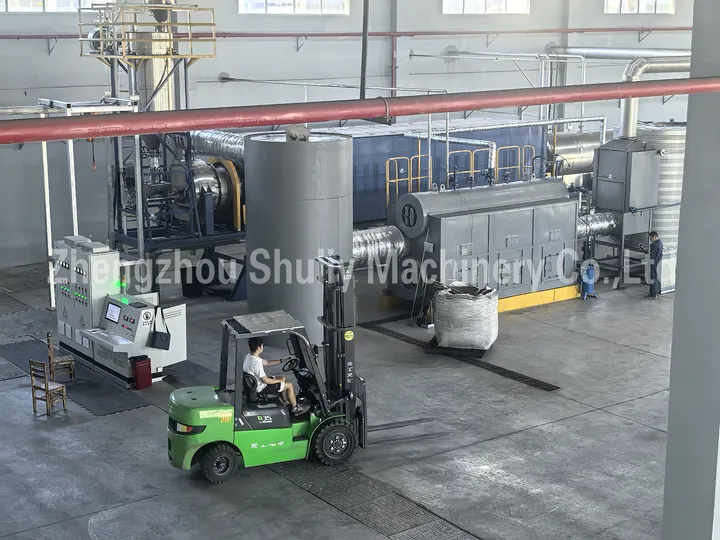
The carbonization furnace interior uses refractory materials to withstand 400-600°C operating temperatures. Refractory lining lasts 12-24 months depending on raw material abrasiveness and operating schedule.
| Refractory Type | Service Life | Cost Level | Best Application |
|---|---|---|---|
| Standard firebrick | 12-15 months | Lower | Wood-based materials |
| High-alumina brick | 18-24 months | Higher | Coconut shell, coal |
| Ceramic fiber lining | 15-18 months | Medium | Batch operations |
Replacement requires skilled labor and extended downtime. High-alumina refractories cost more initially but last longer than standard firebrick. Budget for refractory inspection every six months.
Heating Elements
Electric heating elements degrade over time. Element life ranges from 6-18 months based on operating temperature and cycling frequency.
| Element Type | Operating Temp. | Expected Life | Replacement Difficulty |
|---|---|---|---|
| Resistance wire | Up to 800°C | 12-18 months | Moderate |
| Silicon carbide | Up to 1400°C | 15-24 months | Moderate |
| Molybdenum disilicide | Up to 1800°C | 18-36 months | High |
Continuous operation at maximum temperature shortens element life. Keep spare heating elements in inventory. Replacement takes 2-4 hours with proper access.
What Factors Affect the Maintenance Costs of an Activated Carbon Manufacturing Machine?
Several variables influence the total maintenance expense of activated carbon production equipment.
Raw Material Impact on Maintenance
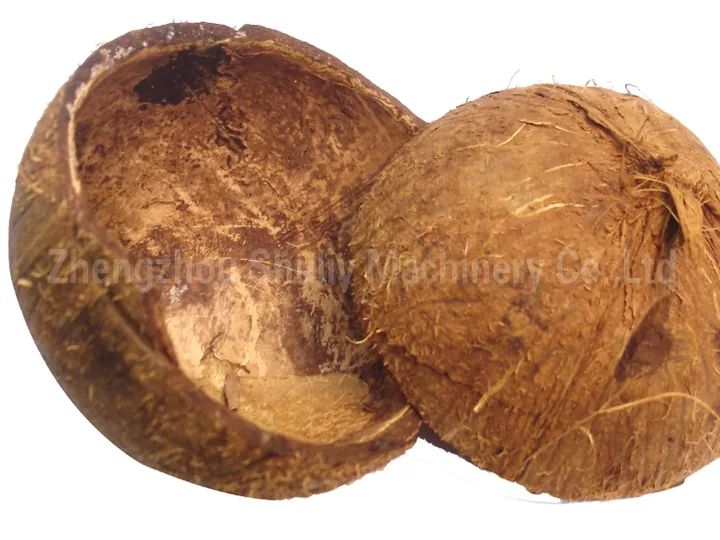
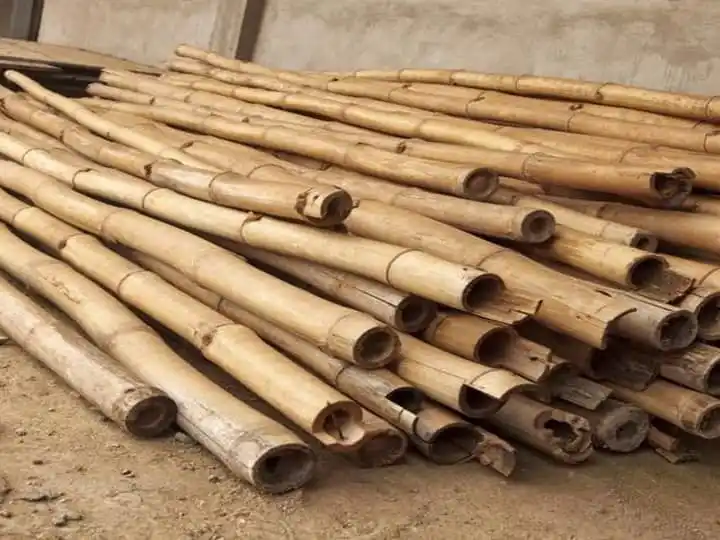
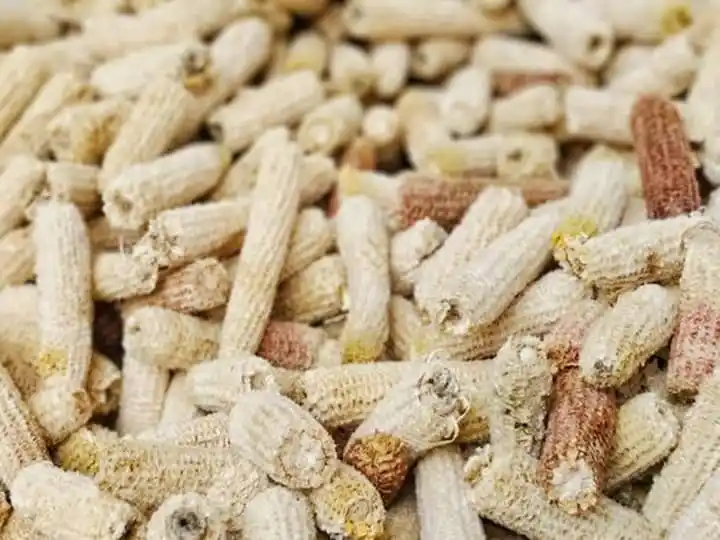
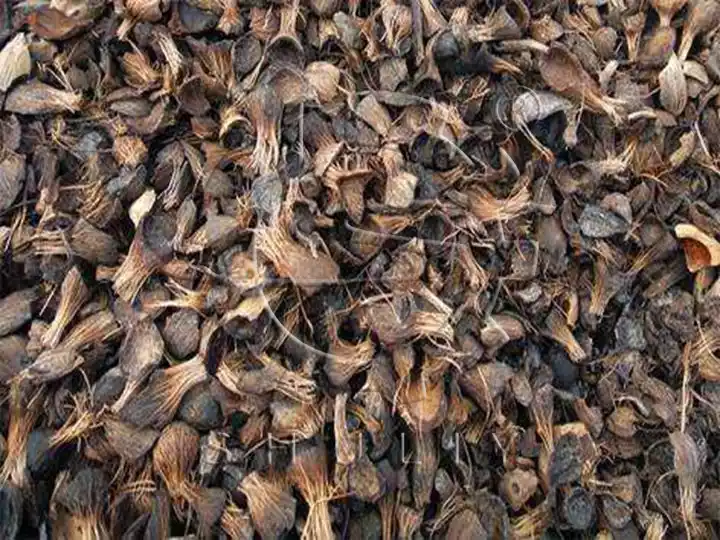
| Raw Material | Abrasiveness | Ash Content | Maintenance Intensity | Key Wear Points |
|---|---|---|---|---|
| 椰子壳 | High | Low | High | Crusher, conveyor, refractory |
| Wood chips | Medium | Low | Medium | Conveyor, seals |
| Bamboo | Medium | Medium | Medium | Crusher, refractory |
| Coal | High | High | Very high | All components |
| Agricultural waste | Low | Medium | Low-Medium | Feeding system |
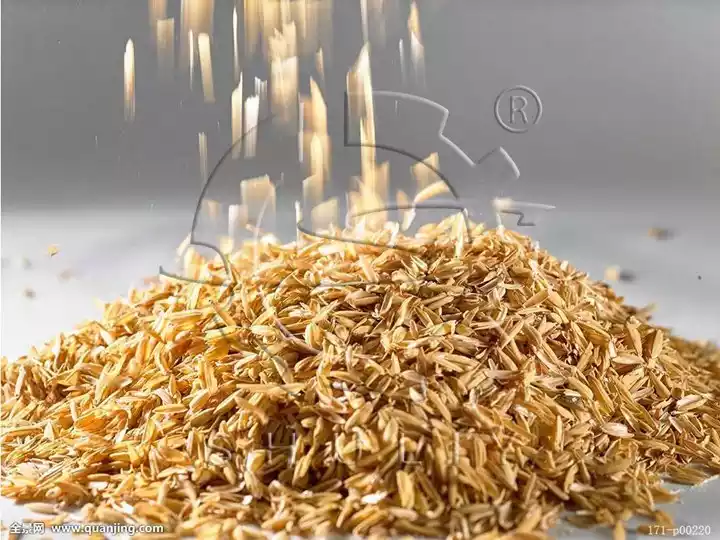
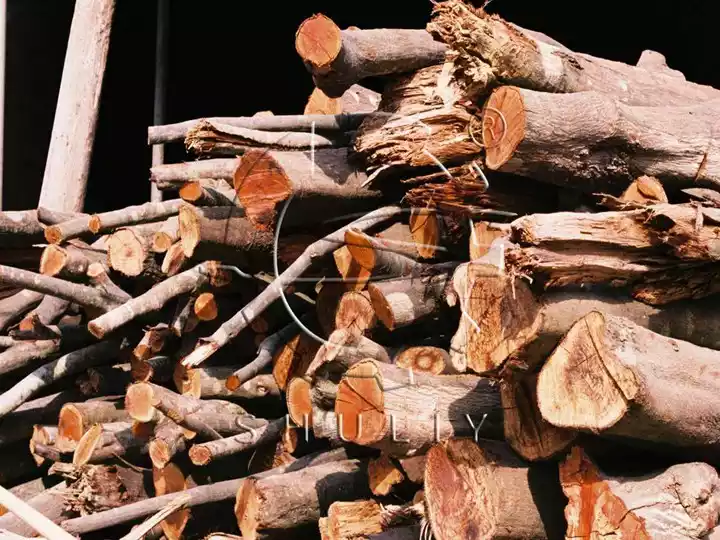
Abrasive materials accelerate wear on crushers, conveyors, and furnace internals. High-ash materials increase refractory erosion. Sticky feedstocks cause buildup and require more frequent cleaning.
Operating Schedule Impact
| Operating Pattern | Component Stress | Maintenance Frequency | Overall Cost Impact |
|---|---|---|---|
| 24/7 continuous | High thermal stress | High | Higher short-term, lower long-term |
| 8-hour shifts | Moderate stress | Moderate | Balanced |
| Intermittent | Thermal cycling stress | Moderate | Higher refractory wear |
| Seasonal | Startup/shutdown cycles | Low frequency but intensive | Highest per operating hour |
Continuous 24/7 operation stresses components more than intermittent use. However, frequent startup and shutdown thermal cycling also damages refractory and heating elements.
Preventive vs. Reactive Maintenance Costs
Preventive maintenance costs less than emergency repairs over equipment lifespan.
Maintenance Strategy Comparison
| Aspect | Preventive Maintenance | Reactive Repairs | Cost Ratio |
|---|---|---|---|
| Labor cost | Scheduled, standard rates | Emergency, premium rates | 1:3 |
| Parts cost | Standard pricing, bulk discounts | Rush shipping, limited availability | 1:2.5 |
| Downtime | Planned, minimal production loss | Unplanned, complete line stop | 1:5 |
| Secondary damage | 极少 | Often extensive | 1:4 |
| Equipment lifespan | Extended 30-50% | Shortened significantly | – |
| Total annual cost | 2-3% of equipment value | 8-15% of equipment value | 1:4 |
Preventive maintenance typically costs 2-3% of equipment value annually. This investment extends equipment life by 30-50% compared with reactive maintenance.
How Can You Reduce the Maintenance Costs of an Activated Carbon Making Machine?
Smart operators implement strategies to minimize activated carbon making machine maintenance expenses.
Cost Reduction Methods
| Strategy | Implementation | Expected Savings | Payback Period |
|---|---|---|---|
| Proper raw material preparation | Size reduction, metal removal, drying | 20-30% wear reduction | Immediate |
| Optimized operating parameters | Avoid overload, temperature control | 15-25% longer component life | Immediate |
| Quality spare parts | OEM bearings, seals, elements | 40-50% fewer failures | 6-12 months |
| Operator training | Manufacturer training, certification | 30-40% fewer operator errors | 3-6 months |
| Maintenance records | Digital logging, trend analysis | 10-20% better planning | 6-12 months |
| Spare parts inventory | Critical components in stock | 50-70% shorter downtime | Immediate |
What Is the Total Cost of Ownership of Activated Carbon Making Equipment?
| Cost Category | Year 1-3 | Year 4-7 | Year 8-10 | Total 10-Year |
|---|---|---|---|---|
| Initial purchase | 100% | – | – | 40% |
| Routine maintenance | 3-5% annually | 4-6% annually | 5-8% annually | 25% |
| Major repairs | – | 10-15% | 15-20% | 15% |
| Component replacement | – | 15-20% | 20-30% | 15% |
| Downtime losses | 2-3% | 3-5% | 5-8% | 5% |
The purchase price represents only part of activated carbon production equipment investment. Maintenance costs accumulate significantly over a 10- 15-year equipment life.
Budget 3-5% of the purchase price annually for routine maintenance. Plan for major component replacement every 3-5 years. Include maintenance labor in operating cost calculations.
Related Products
| 产品 | Application | Key Feature |
|---|---|---|
| 连续式炭化炉 | Charcoal production without activation | Lower cost, simpler maintenance |
| Coconut Shell Charcoal Making 机器 | Feedstock preparation | Optimized for abrasive materials |
| Rotary Kiln Activation Furnace | Standalone activation | Upgrade path for existing lines |
Get Your Activated Carbon Making Machine Quote
Proper maintenance maximizes return on your activated carbon making machine investment. Shuliy provides comprehensive maintenance training, spare parts support, and technical guidance to keep your production line running efficiently.
Contact our team today for equipment specifications, maintenance planning assistance, and customized system configuration based on your production requirements.