How Much Does It Cost to Run a Scrap Metal Briquette Machine Per Day?
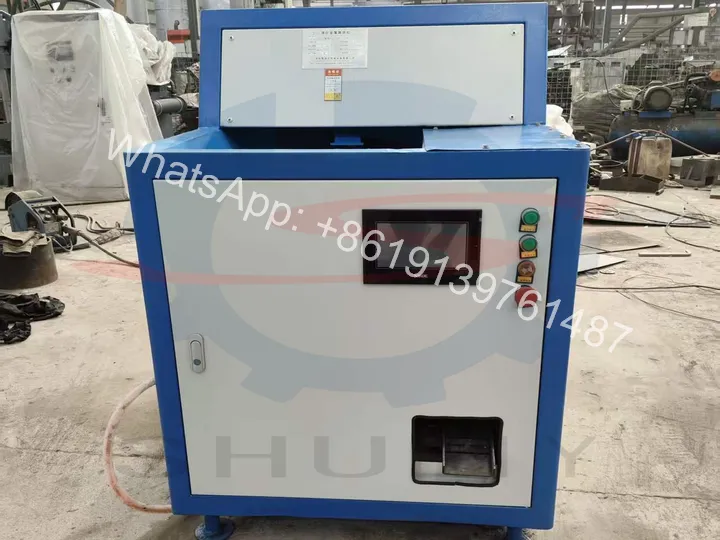
If you plan to buy a scrap metal briquette machine, the purchase price is only part of the story. The real question is: what will it cost to run every day? For a typical small or medium model, the total daily running cost ranges from about 20 to 50. This covers electricity, labor, hydraulic oil, and wear parts. Larger industrial models can cost 50 to 100 or more per day, depending on motor power and workload.
The good news is that modern machines are very efficient. A metal chips briquetting machine with PLC control only draws full power during the compression stroke. Below is a complete breakdown of where the money goes and how to keep costs low.
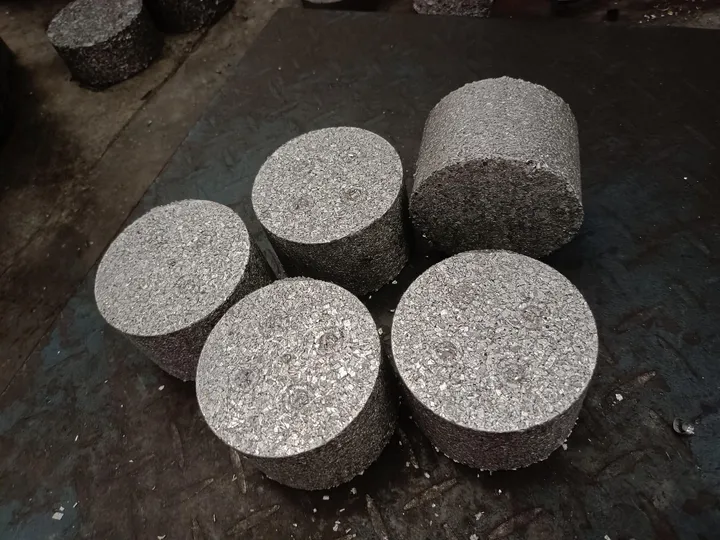
What Makes Up the Daily Running Cost of a Scrap Metal Briquette Machine?
Four main items form your daily expense. Understanding each one helps you calculate your real processing cost per kilogram.
| Cost Item | Small/Medium Machine | What Affects It |
|---|---|---|
| Electricity | $5–15/day | Motor size, running hours, local power price |
| Labor | $10–30/day | One operator can run 1–3 machines |
| Hydraulic oil | Under $1/day (amortized) | Oil quality, replacement every 2,000–3,000 hours |
| Wear parts and maintenance | $2–5/day | Seals, die cavity, machine workload |
| Total | $20–50/day | — |
The actual operating cost depends on local electricity rates. The costs shown in the image above are for reference only.
Electricity Cost of a Metal Chips Briquetting Machine
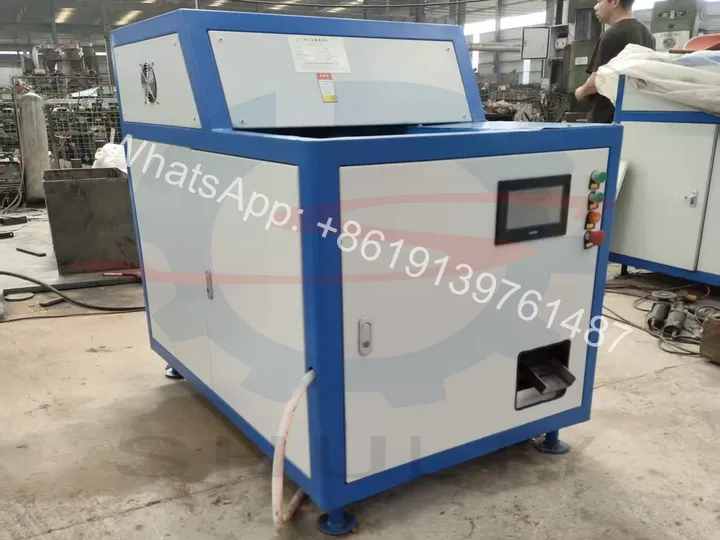
Electricity is the largest controllable cost. Most workshop models use a 3–7.5 kW main motor. At 8 hours per day and an industrial rate of $0.10–0.15 per kWh, daily power cost is roughly $5–9.
Modern hydraulic systems are far more efficient than old mechanical compactors. Industry data shows modern machines consume about 8–12 kWh per ton of chips, while traditional models use 15–25 kWh per ton. That is a 40–50 percent saving on energy per ton processed.
The twin-screw type adds screw feeder motors of 2.2 + 1.5 kW. Even so, total power draw stays modest because PLC control idles the motors between cycles.
Hydraulic Oil and Wear Parts Costs in Metal Chips Briquetting
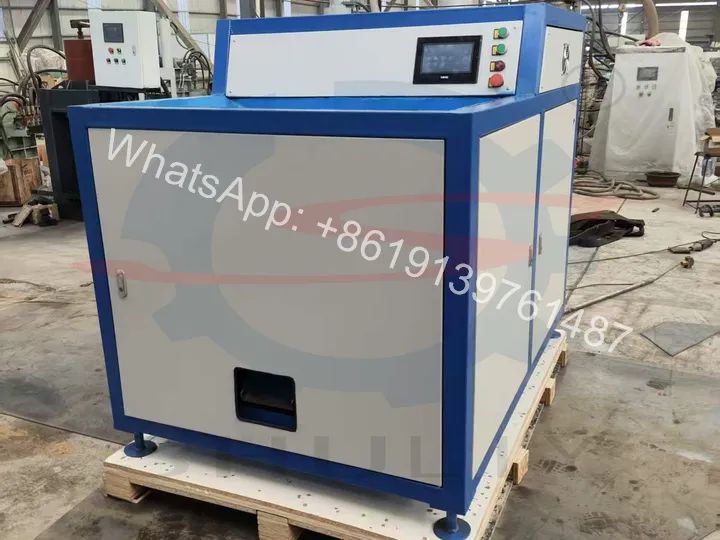
Hydraulic oil is a small but necessary expense. A full oil change costs $100–200 and is needed every 2,000–3,000 working hours. Spread over an 8-hour day, this is less than $1 per day.
Wear parts include seals, the die cavity, and the punch. A seal set costs $30–80 and lasts 8–12 months under normal load. The die is hardened steel and usually serves for several years. Budget $2–3 per day for these items.
Check the oil level weekly and keep the air cooler clean. Dirty oil is the main cause of pump damage, and a new hydraulic pump costs far more than regular oil changes.
Labor Cost for Operating a Scrap Metal Briquette Machine
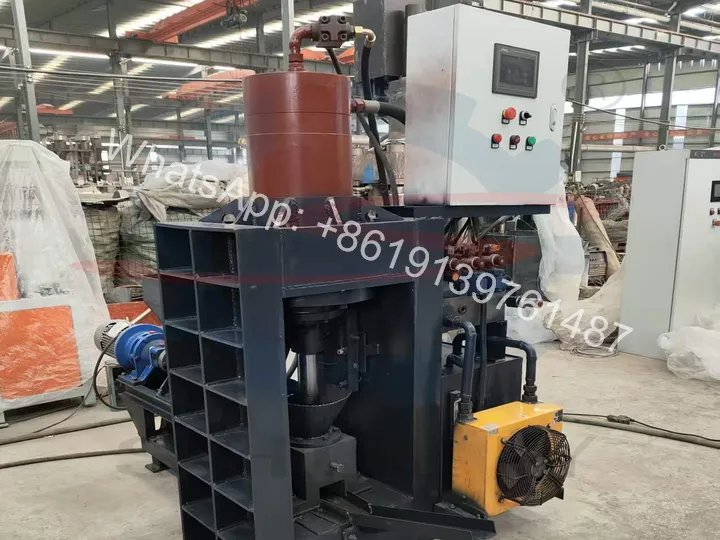
Labor is the second highest cost after electricity. One scrap metal briquette machine with PLC automatic control needs only periodic feeding and cake collection. One operator can monitor two or three machines at the same time.
In regions with labor costs of $15–30 per day per worker, your labor share can drop below $10 per machine per day. Compare this with manual packing, which needs constant hands-on work and produces far less output.
How Does a Metal Swarf Compactor Reduce Your Total Processing Costs?
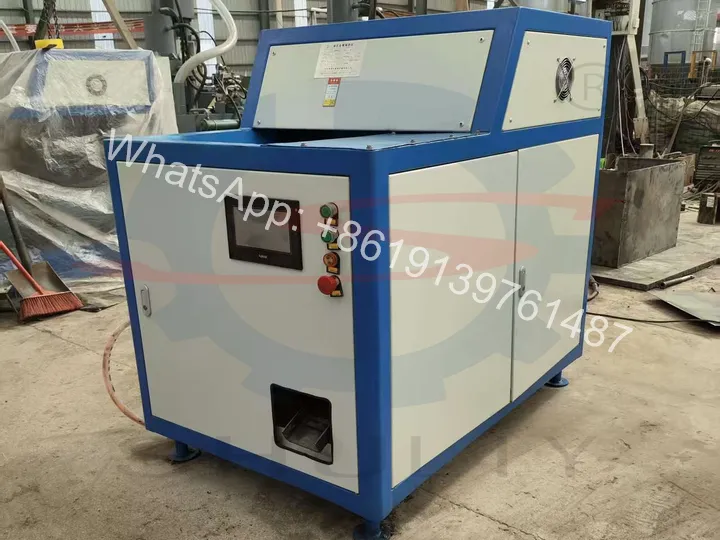
Daily running cost is only half of the equation. A Metal Swarf Compactor also saves money in three other ways.
- Transport and storage. A compression ratio of 3:1 to 5:1 shrinks chip volume dramatically. You pay for fewer bins and fewer truck trips.
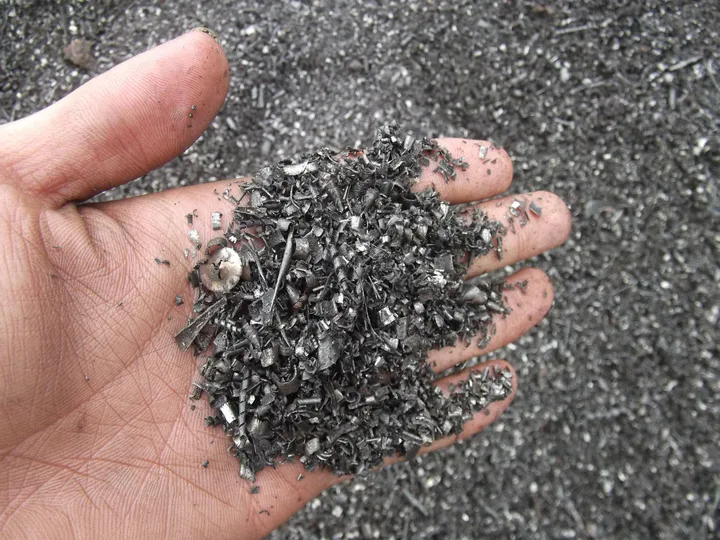
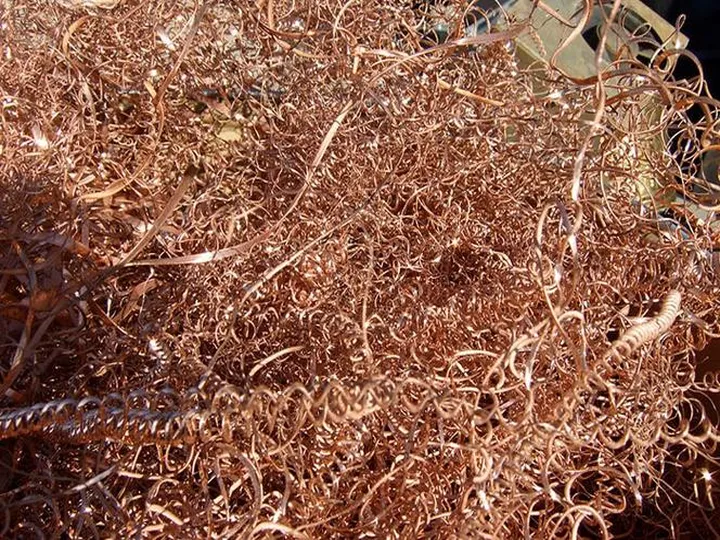
- Metal recovery. Cold-pressed briquettes lose far less metal to oxidation in the furnace than loose chips. Foundries often pay a premium for dense, clean briquettes.
- Coolant recovery. Oil-soaked chips release cutting fluid during compression. The collected oil can be filtered and reused in your CNC machines.
For a workshop producing 1–2 tons of chips daily, these savings often exceed the full running cost of the machine. This is why most buyers recover their investment within 6–18 months.
5 Practical Tips to Lower Daily Running Costs
- Choose the right size. Do not oversize the machine. A unit rated far above your real output wastes energy on every idle cycle.
- Feed material evenly. Steady feeding keeps the hydraulic system in its efficient working range and avoids pressure spikes.
- Maintain the oil system. Change oil and filters on schedule. A clean system runs cooler and uses less power.
- Recover cutting oil. Route the oil collection line back to your coolant tank to cut fluid purchases.
- Run longer shifts. Fixed costs like warm-up and cleaning are spread over more output when the machine runs full shifts.
Get a Cost-Efficient Scrap Metal Briquette Machine from Shuliy
Shuliy Machinery supplies three types of metal briquetting equipment: vertical, box-type, and twin-screw models. Each scrap metal briquette machine is tested before shipment and delivered with a detailed operation manual.
Tell us your chip type, daily volume, and local electricity price. Our engineers will calculate your expected daily running cost and recommend the most economical Metal Chips Briquetting Press for your workshop. Contact us today for a free quotation.