
Waste Rubber and Plastic Sorting Machine | Silicone Rubber Separator for Sale
| Brand | Shuliy Machinery |
| Model | SL Series |
| Capacity | 600–1,200 kg/h |
| Sorting Purity | Up to 99% |
| Installed Power | 9.5–12.5 kW |
| Control System | PLC Intelligent Control |
| Power Supply | 380V / 50Hz / Three-Phase (Customizable) |
| Machine Dimensions | 5.58 × 2.28–3.15 × 4.25 m |
| Machine Weight | 3,500–4,800 kg |
| Warranty | 1 year |
You can now ask our project managers for technical details
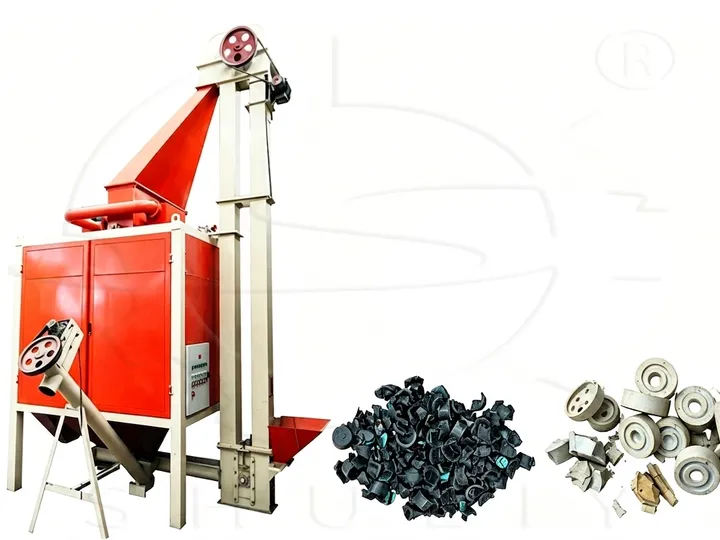
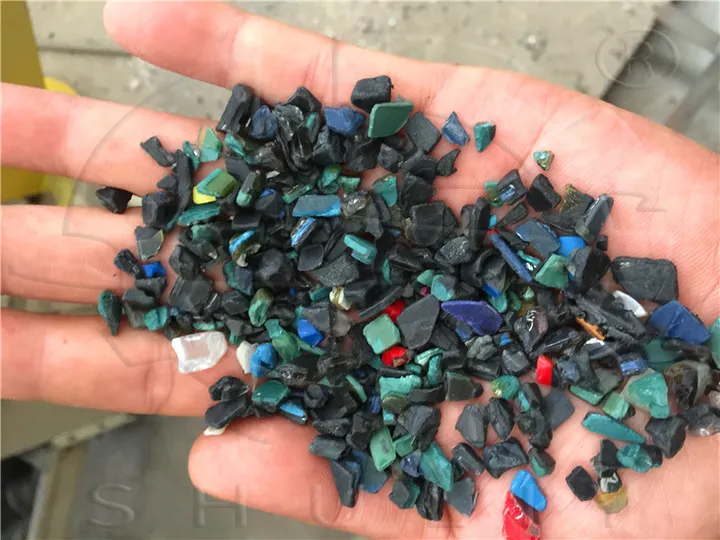
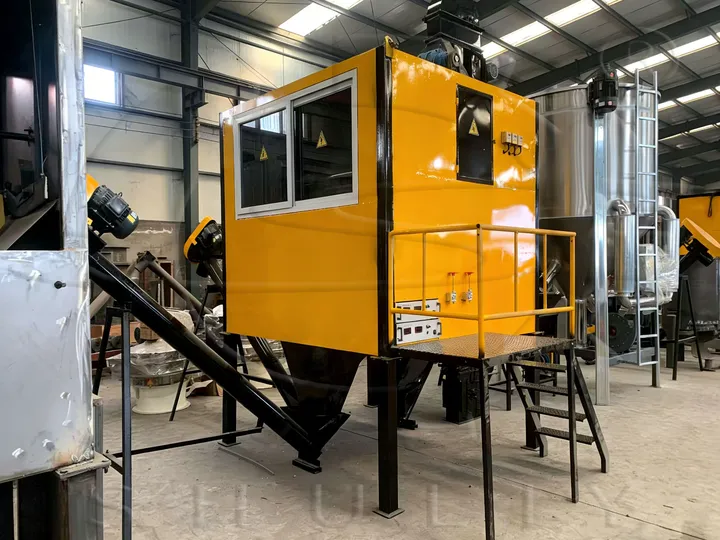
Shuliy waste rubber and plastic sorting machine is advanced physical separation equipment designed to precisely sort silicone rubber from plastic materials using mirror friction and bouncing principles. Our systems process 600-1,200 kg/hour of crushed mixed waste, achieving 99%+ separation purity for medical plastics, electronic waste, and appliance recycling applications. The sorted plastic streams meet premium recycling standards, enabling direct reuse in manufacturing while eliminating environmental contamination from rubber contaminants.
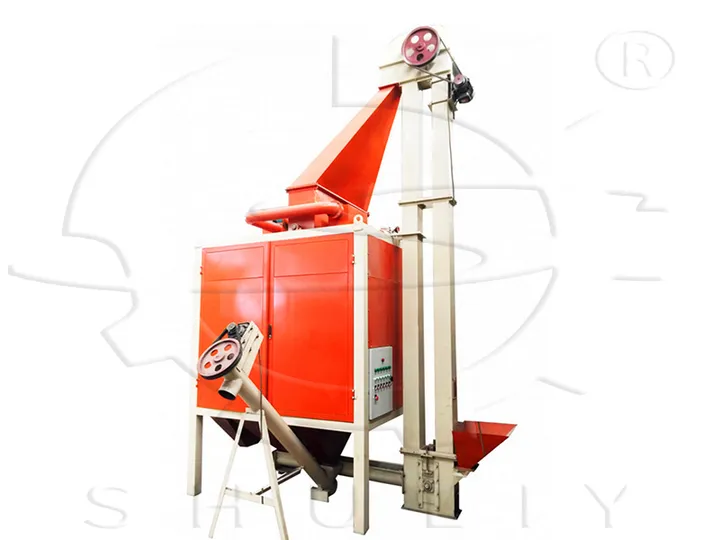
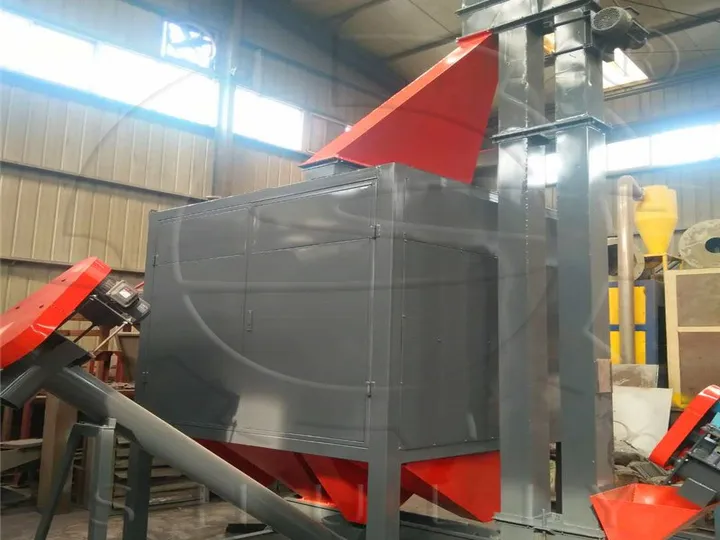
Compared with manual sorting or chemical separation methods, our waste rubber and plastic sorting machines feature pure physical separation without water, chemicals, or pollution. The PLC-controlled automated operation with 11-inch touchscreen interface enables single-operator management, significantly reducing labor costs. All contact surfaces use stainless steel and chrome plating for extended equipment life and consistent sorting accuracy.
With 20+ years of manufacturing expertise and installations across 50+ countries, Shuliy provides reliable recycling solutions backed by technical support and lifetime service.
What is a Waste Rubber and Plastic Sorting Machine?
A waste rubber and plastic sorting machine is specialized equipment that separates silicone rubber and elastic materials from rigid plastics using physical friction and bouncing principles. Unlike manual sorting, which achieves inconsistent results or chemical methods that create environmental hazards, our machines exploit the different elastic properties of rubber versus plastic for clean, automated separation.
The technology works by conveying mixed materials across a mirrored friction surface where rubber and silicone components bounce differently than plastic fragments. The distinct trajectory patterns enable precise separation without any chemical additives or water consumption.
Technical Specifications
Our waste rubber and plastic sorting machines are available in two models to match your production requirements. Both systems feature PLC automation control, 11-inch HMI touchscreen, and 99%+ sorting purity.
| Model | Power | Capacity | Sorting Purity | Dimension(m) | Weight |
|---|---|---|---|---|---|
| SL-1250 | 9.5 kW | 600–1,000 kg/h | 99% | 5.58×2.28×4.25 | 3,500 kg |
| SL-1800 | 12.5 kW | 800–1,200 kg/h | 99% | 5.58×3.15×4.25 | 4,800 kg |
What Materials Can a Rubber and Plastic Sorting Machine Process?
Our waste rubber and plastic sorting machines handle diverse waste streams from multiple industries:
Primary Applications:
- Waste household appliance plastic recycling (refrigerators, washing machines, air conditioners)
- Medical waste processing (infusion bottles and bags)
- Electronic waste recycling (computers, phones, small appliances)
- Automotive battery casing recovery
Separable Material Combinations:
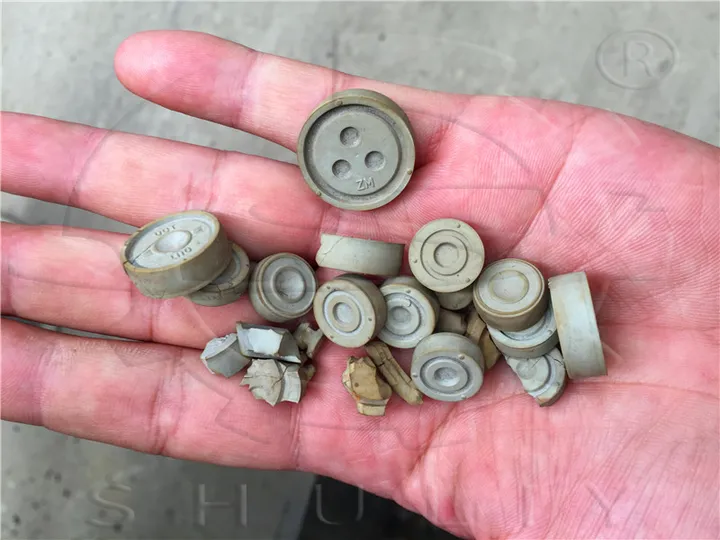
- PP plastic and silicone rubber from medical infusion products
- ABS/PC plastics and silicone seals from electronic housings
- Mixed plastics and rubber gaskets from appliance dismantling
- Battery casing plastics and silicone plugs from automotive recycling
What Are the Key Advantages of Shuliy Rubber Plastic Sorting Machines?
Pure Physical Separation
Our friction-bouncing technology achieves 99%+ separation purity without any chemicals, water, or environmental emissions. This eliminates pollution concerns and regulatory compliance costs while producing clean, ready-to-use plastic streams.
Low Energy Consumption
The SL-1250 operates at only 9.5kW and the SL-1800 at 12.5kW—significantly lower than alternative separation technologies. Reduced power consumption translates directly to higher profit margins for recycling operations.
Single-Operator Automation
PLC control with an 11-inch touchscreen interface enables one person to manage feeding, sorting, and discharge operations. Automatic material return systems reprocess any mixed fractions, ensuring consistent output quality with minimal labor.
Durable Construction
All material contact surfaces feature stainless steel and chrome plating, resisting wear from abrasive plastic fragments. This robust construction extends equipment lifespan while maintaining sorting precision over years of continuous operation.
Adjustable Feeding System
Variable-speed automatic feeding adapts to different material types and contamination levels. The integrated lifting system ensures consistent material flow, preventing jams and optimizing throughput for diverse waste streams.
Compact Footprint
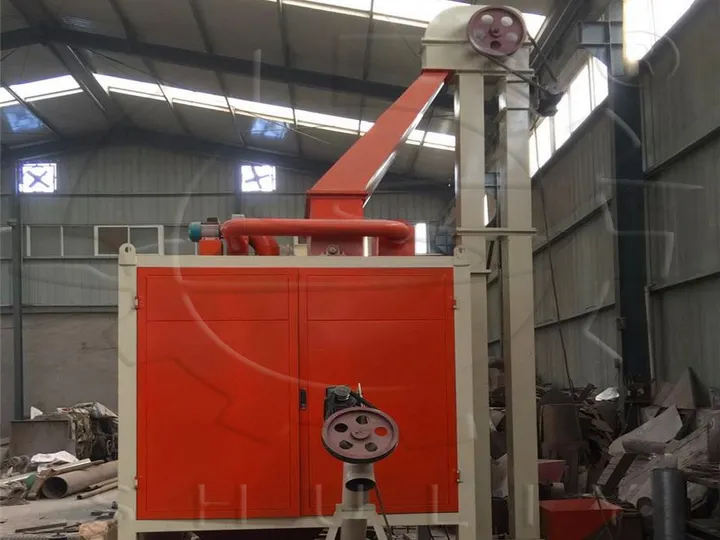
Despite high processing capacities, both models maintain compact dimensions suitable for existing recycling facilities. The vertical design minimizes floor space requirements while maximizing sorting efficiency.
How Does Waste Rubber and Plastic Sorting Work?
Understanding the rubber plastic separation process is essential for maximizing your recycling efficiency. Our machines employ a physical separation approach that exploits material property differences.
Step 1: Material Preparation
Mixed plastic and rubber waste must first be crushed to appropriate fragment sizes and thoroughly cleaned. Proper preparation ensures consistent feeding and optimal separation performance.
Step 2: Friction Surface Conveying
Prepared materials enter the sorting chamber where they contact a specially designed mirrored friction surface. The surface texture and angle are optimized to create distinct bouncing behaviors between rubber and plastic components.
Step 3: Trajectory Separation
Rubber and silicone fragments bounce significantly higher and farther than rigid plastic pieces due to their elastic properties. Precision-placed collection zones capture each material type separately.
Step 4: Collection and Output
Separated plastic and rubber streams discharge through dedicated outlets. The automatic return system recycles any mixed fractions back through the separation process, ensuring maximum purity.
What Common Problems Can Waste Rubber and Plastic Sorting Machines Solve?
Pain Point 1: Manual Sorting Inconsistency
Manual separation of rubber from plastic achieves only 70–85% purity, with significant worker fatigue and inconsistent quality affecting material value.
Solution: Our automated system delivers consistent 99%+ purity without human error, enabling premium pricing for sorted materials.
Pain Point 2: Chemical Separation Environmental Costs
Chemical flotation methods create hazardous wastewater requiring expensive treatment and create regulatory compliance burdens.
Solution: Pure physical separation eliminates chemicals entirely, producing zero environmental emissions and simplifying compliance.
Pain Point 3: High Labor Costs
Manual sorting operations require large workforces for meaningful throughput, creating ongoing cost pressures.
Solution: Single-operator automation reduces labor requirements by 80% while increasing processing capacity.
Pain Point 4: Equipment Wear and Maintenance
Abrasive plastic fragments rapidly wear conventional sorting equipment, creating downtime and replacement costs.
Solution: Stainless steel and chrome-plated contact surfaces resist abrasion, extending equipment life and reducing maintenance.
Customer Success Story: E-Waste Recycler in Japan
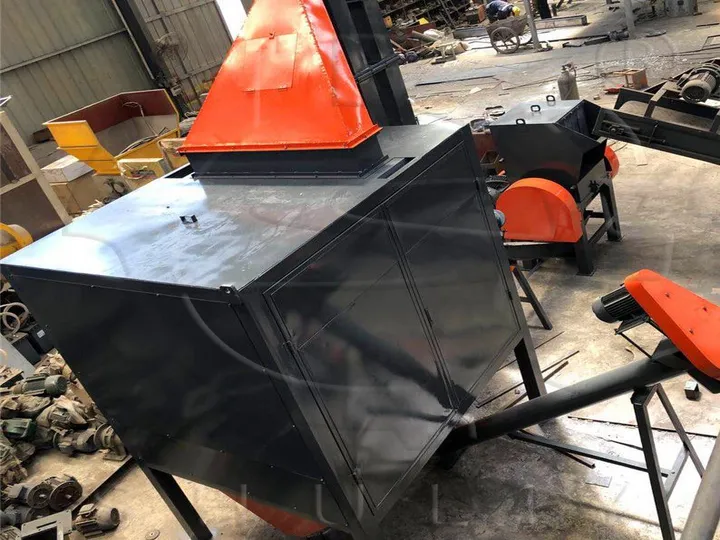
A major electronics recycling facility in Osaka, Japan struggled with separating silicone gaskets from ABS and PC housings in computer and appliance waste. Manual sorting achieved only 80% purity, limiting material value and creating bottlenecks.
After installing our SL-1800 waste rubber and plastic sorting machine in June 2023, the facility transformed operations:
- Processing Capacity: 1,000 kg/hour of mixed electronic plastic waste
- Sorting Purity: Increased from 80% to 99.3%, commanding 35% higher material prices
- Labor Reduction: Reduced sorting staff from 12 workers to 2 operators
- ROI Achievement: Full payback within 9 months through premium material sales
The facility manager reported: “The friction-bouncing separation technology has eliminated our biggest processing bottleneck. We now supply high-purity ABS and PC directly to automotive manufacturers, achieving prices we never thought possible.”
Why Choose Shuliy for Your Rubber Plastic Sorting Equipment?
Proven Manufacturing Excellence
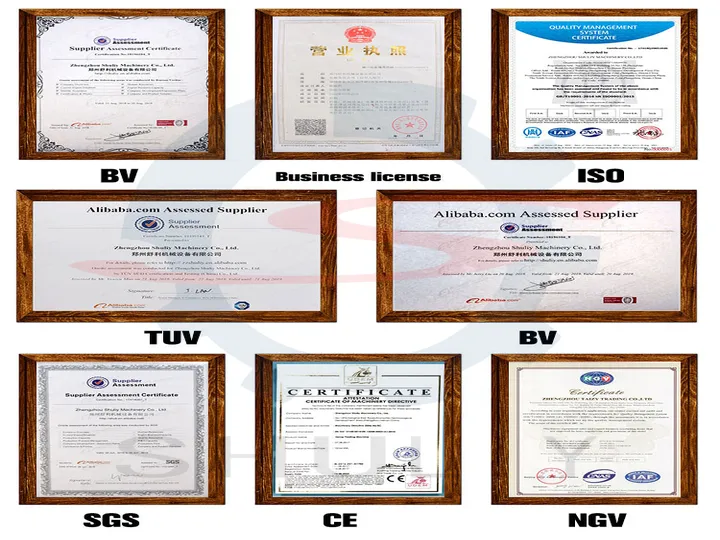
With over 20 years of recycling machinery experience, Shuliy has refined physical separation technology through continuous R&D. Our ISO 9001-certified facilities ensure consistent quality and reliable performance.
Comprehensive Certifications
All machines carry CE certification and meet international safety standards. Full documentation supports import and regulatory compliance worldwide.
Unmatched After-Sales Support
- 1-Year Warranty: Complete component coverage with free replacement parts
- Lifetime Technical Support: Remote troubleshooting and process optimization
- Multilingual Service Team: Support in English, Spanish, Russian, and Chinese
- Spare Parts Guarantee: Critical components stocked for immediate shipment
Global Installation Experience
Successful installations across 50+ countries including Japan, Germany, USA, and Australia provide unique expertise in diverse operating conditions.
FAQ
What is the best waste rubber and plastic sorting machine for industrial recycling?
The best waste rubber and plastic sorting machine for industrial use is one that combines high throughput, stable separation accuracy, and low operating cost.
Shuliy’s silicone rubber separator is designed for large-scale plastic and rubber recycling applications, especially in electronic waste and appliance recycling plants, offering up to 99%+ separation purity.
How does a silicone rubber separator machine improve plastic recycling efficiency?
A silicone rubber separator machine improves recycling efficiency by automatically separating elastic rubber and silicone from rigid plastics using physical friction and bouncing differences.
Compared with manual sorting, this plastic rubber separation machine ensures consistent output quality and reduces labor dependency in recycling facilities.
What materials can a rubber plastic recycling machine process?
A rubber plastic recycling machine can handle a wide range of mixed waste streams, including:
E-waste plastic housings (ABS, PC materials)
Medical plastic waste (infusion bags, tubing)
Appliance plastics mixed with rubber seals
Automotive battery casing plastics
This makes it suitable for industrial plastic recycling plants and e-waste processing facilities.
Is a waste rubber and plastic sorting machine suitable for e-waste recycling plants?
Yes. The waste rubber and plastic sorting machine is widely used in e-waste recycling plants to separate silicone gaskets, rubber seals, and plastic components from electronic appliances.
It significantly increases the purity of recovered ABS and PC plastics, making them suitable for resale to manufacturers.
What is the working principle of a plastic rubber separation machine?
A plastic rubber separation machine works based on material elasticity differences.
During processing, mixed crushed materials pass through a friction-bouncing separation zone where:
Rubber and silicone bounce higher due to elasticity
Plastic fragments fall at lower trajectories
This physical method allows precise separation without water or chemicals, making it an eco-friendly rubber plastic recycling solution.
What is the ROI of investing in a rubber plastic recycling machine?
Investing in a rubber plastic recycling machine typically delivers ROI within 8–14 months, depending on:
Local recycled plastic market price
Labor cost savings
Material purity improvement
Higher purity output from the silicone rubber separator machine allows recyclers to sell plastic at premium prices.
Does a waste rubber and plastic sorting machine require water or chemicals?
No. The waste rubber and plastic sorting machine uses a fully physical separation process.
It does not require water, flotation agents, or chemical additives, making it a clean and environmentally friendly plastic rubber separation solution.
Related Products
Plastic Recycling Sorting Machine
The SL-PS series electrostatic plastic sorting machine adopts dry electrostatic physical separation to classify mixed crushed plastic scraps (5–20mm). With models ranging from SL-PS200 to SL-PS3000, its hourly output covers 200–3000kg, widely used to separate PET/PVC, ABS/PC and other mixed waste plastics from electronics, auto and industrial leftovers for high-value recycling.
Core Advantages
- Ultra-high Sorting Precision: Stable separation purity hits 99%, far exceeding 85%-90% yield of traditional wet/density sorting to boost recycled plastic market price.
- Full Dry & Eco-friendly Operation: Zero water and chemical consumption, cuts wastewater treatment cost completely and satisfies global environmental regulations.
- Low Manpower Cost: PLC automatic control only requires 1–2 operators for full-line monitoring, slashing labor expense over 70% vs manual sorting.
- Fast Investment Return: Most clients recover investment within 8–14 months by selling high-purity sorted plastics.
- Wide Material Compatibility: Effectively separates most mainstream engineering plastics and handles complex multi-component plastic mixtures unavailable for ordinary sorting equipment.
Get Your Waste Rubber and Plastic Sorting Machine Quote Today
Ready to eliminate rubber contamination from your plastic recycling streams? Contact Shuliy Machinery today for a customized quotation based on your material types and production requirements.
Our team will analyze your waste composition, recommend the optimal system configuration, and guide you on maximizing recycling profitability. With growing demand for pure recycled plastics, precision sorting technology delivers competitive advantage.