
Coconut Shell Charcoal Making Machine Brazil: How to Start a Coconut Shell Charcoal Business?
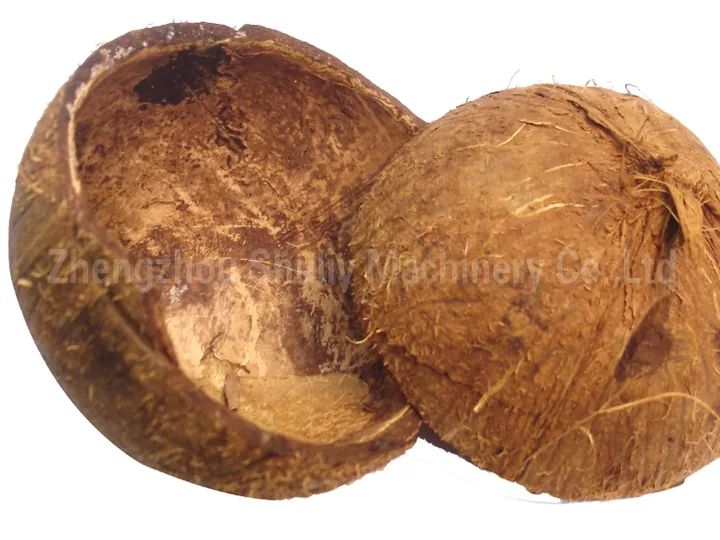
Brazil produces over 2 million tons of coconuts every year, creating a large amount of discarded coconut shell waste across coastal states such as Bahia, Ceará, and Rio Grande do Norte. A coconut shell charcoal making machine can convert these low-value coconut shells into high-quality charcoal products for BBQ, shisha, and activated carbon markets, turning agricultural waste into a profitable business opportunity.
This guide explains how Brazilian entrepreneurs can start a coconut shell charcoal production business, including local raw material advantages, suitable machine selection, production process, investment costs, target markets, and practical steps to build a successful charcoal project.
Note before reading: If you are interested in the machine featured in this article, please click the three contact options on the right-hand pop-up window to get in touch with us. We will provide you with a quotation within 24 hours.
Why Brazil Is Ideal for Coconut Shell Charcoal Production
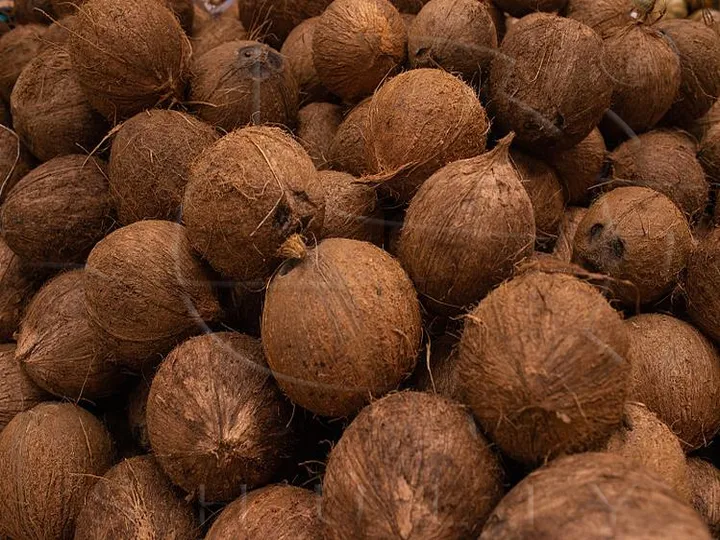
Brazil is the fourth-largest coconut producer in the world. The country generates massive volumes of coconut shell waste from food processing, coconut water bottling, and cosmetic oil extraction. Collecting these shells is cheap because processors currently treat them as waste.
The northeast region of Brazil has the highest concentration of coconut farms. States like Ceará, Rio Grande do Norte, Paraíba, and Bahia offer year-round coconut shell supply. This geographic advantage reduces raw material transportation costs.
Export demand for Brazilian coconut shell charcoal is growing. European buyers, Middle Eastern shisha charcoal producers, and activated carbon manufacturers actively source high-quality coconut shell charcoal. A coconut shell carbonization machine positions Brazilian producers to serve these international markets.
What Type of Machine Suits Brazil?
Two main machine types work for coconut shell charcoal production in Brazil.
Continuous Carbonization Furnace
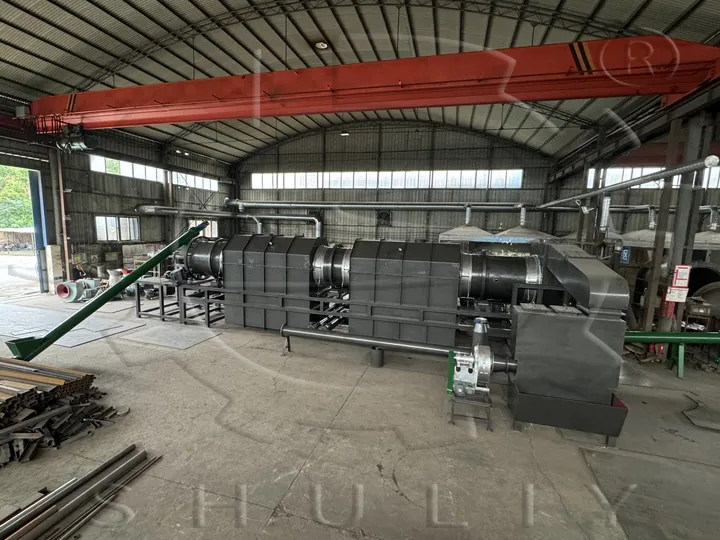
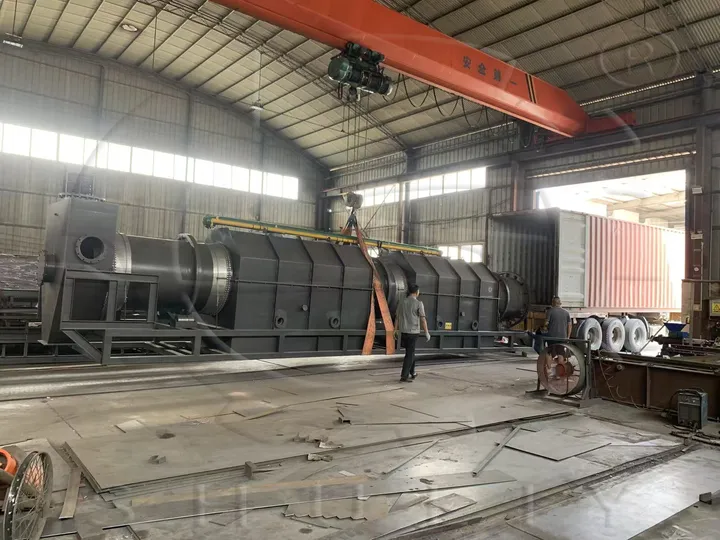
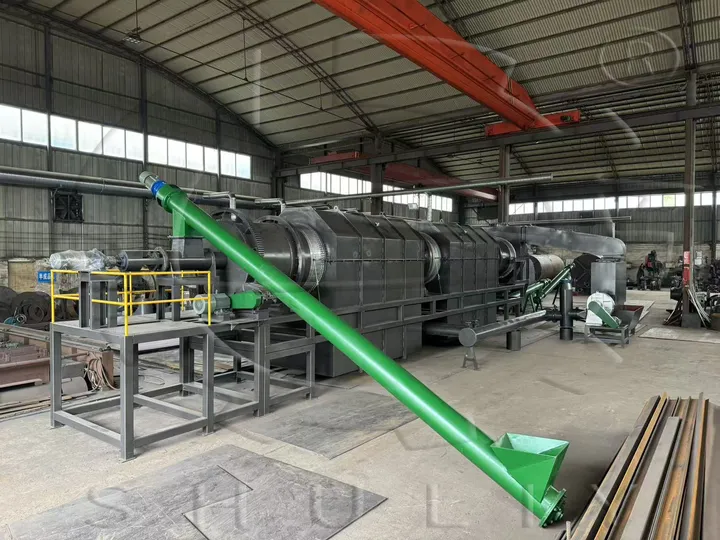
A continuous carbonization furnace is the best choice for medium to large operations. It processes crushed coconut shells (1-2cm size) at 500-3,000 kg/hour. The machine runs 24/7 and produces consistent charcoal quality.
The SL-0812 model processes 500 kg/hour with 40 kW power. The SL-1320 model handles 2.5-3 tons/hour with 72 kW power. Carbonization time is approximately 30 minutes from feeding to discharge.
Batch-Type Carbonization Furnace
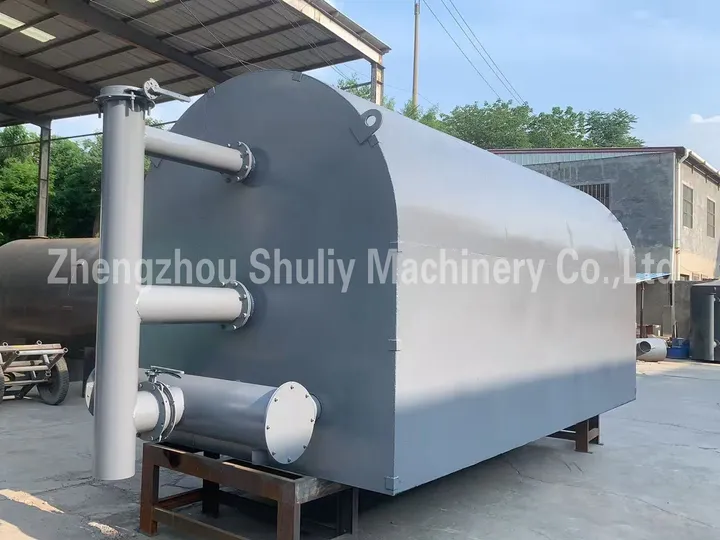
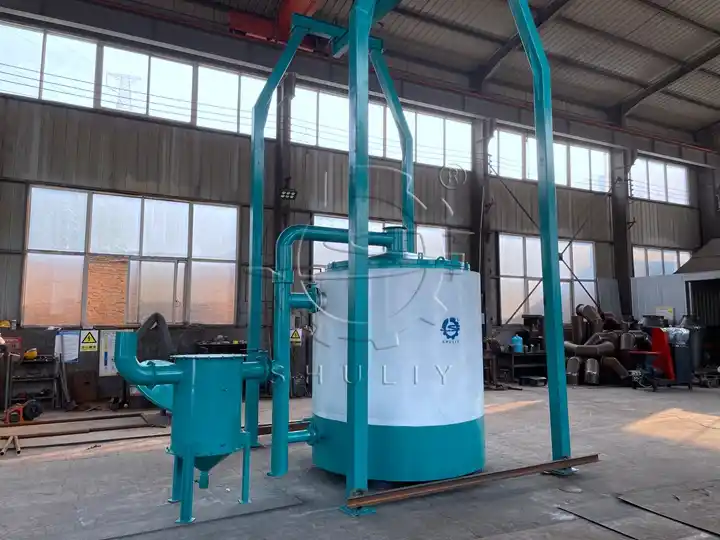
A hoisting or horizontal carbonization furnace suits small startups. It processes whole coconut shells without pre-crushing. Capacity ranges from 900-3,000 kg per batch. Each batch takes 12-14 hours.
This option requires lower initial investment but produces less daily output. It works well for producers testing the market before scaling up.
How to Source Coconut Shells in Brazil?
Finding cheap coconut shell supply is critical for profitability. Here are the most effective sourcing strategies:
Coconut Water Factories
These facilities generate large volumes of empty shells daily. They often pay to dispose of shells. Many will give them away for free or charge a small transport fee.
Copra and Coconut Oil Producers
These factories process mature coconuts. Their shells are dry and ready for carbonization. They represent a stable long-term supply source.
Coastal Cooperatives
Small coconut farms and cooperatives in northeast Brazil can supply shells seasonally. Building local collection networks reduces competition from larger buyers.
Waste Management Companies
Some municipalities collect organic waste including coconut shells. Partnerships with waste companies can provide low-cost raw materials.
Production Process for Brazilian Producers
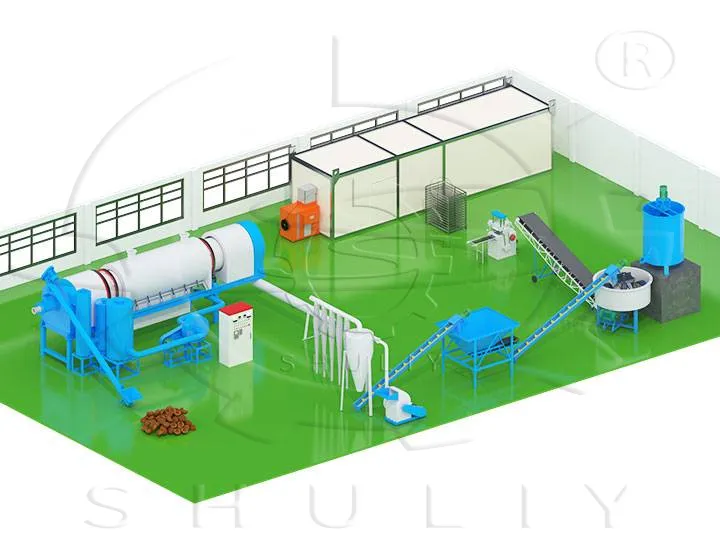
The coconut shell charcoal production process has five clear steps.
Step 1: Collection and Storage
Gather coconut shells from local suppliers. Store them in a covered area to protect from rain. Wet shells require longer drying time.
Step 2: Crushing
Crush shells to 1-2cm fragments. A hammer mill or wood crusher handles this task. Smaller pieces carbonize faster and more evenly.
Step 3: Drying
Reduce moisture content below 25%. Fresh shells contain 30-40% moisture. A rotary dryer uses waste heat from carbonization, minimizing energy cost.
Step 4: Carbonization
Feed crushed shells into the coconut shell charcoal making machine. The pyrolysis reaction occurs at 300-600°C. The process takes about 30 minutes in a continuous furnace.
Step 5: Cooling and Packaging
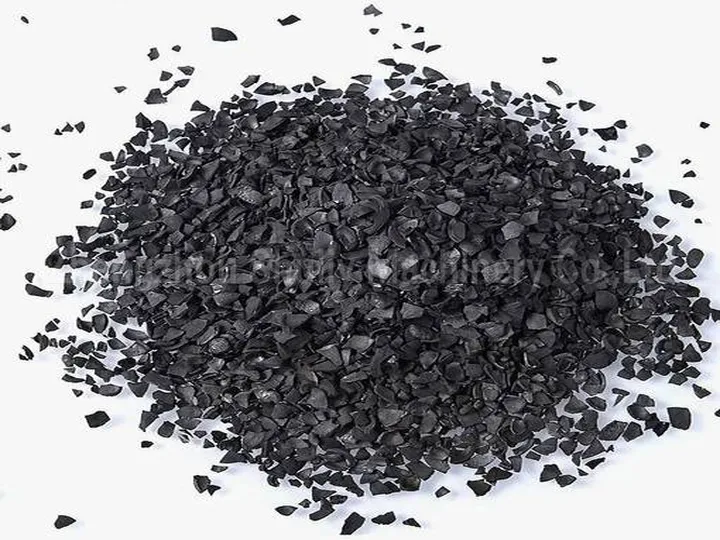
Finished charcoal exits through a water-cooled discharger at around 30°C. Package charcoal in moisture-proof bags for storage or export.
Target Markets for Brazilian Coconut Shell Charcoal
Brazilian producers can sell coconut shell charcoal to multiple profitable markets.
BBQ Charcoal
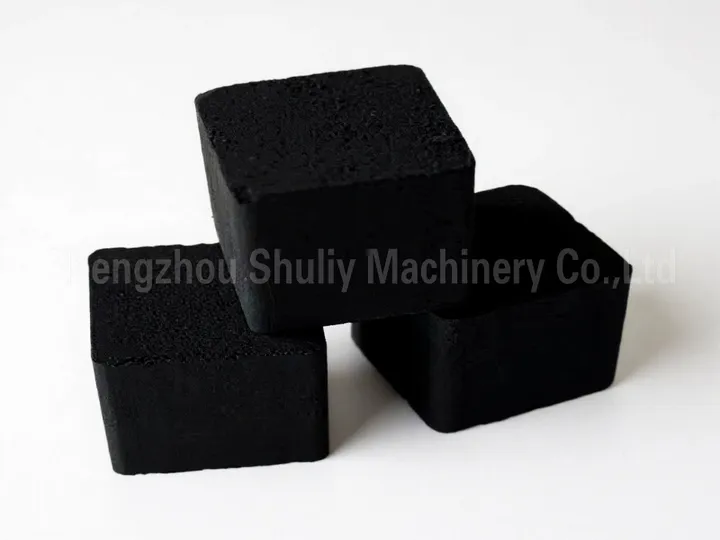
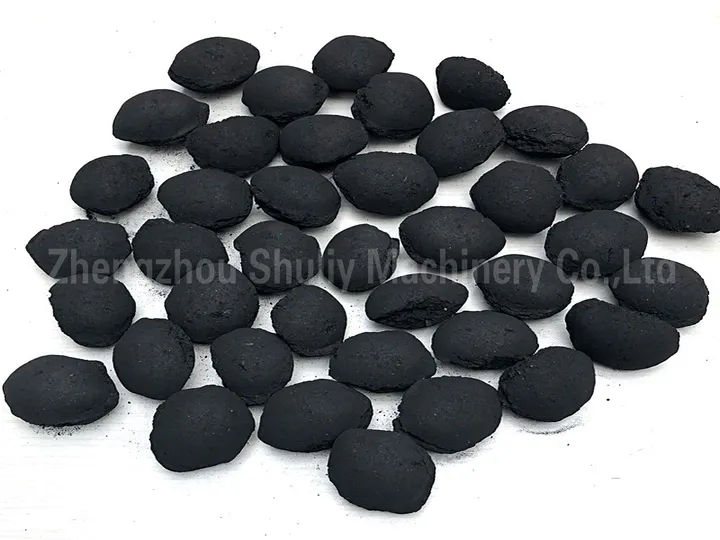
Brazil has a strong barbecue culture. Premium coconut shell BBQ charcoal burns hotter, longer, and cleaner than traditional wood charcoal. The domestic market offers stable demand.
Shisha and Hookah Charcoal
Middle Eastern countries import large volumes of natural coconut shell charcoal for shisha. This market pays premium prices for clean-burning, odorless charcoal.
Activated Carbon
Coconut shell charcoal is the preferred raw material for water and air purification activated carbon. This industrial application commands the highest prices per ton.
Export to Europe
European buyers source coconut shell charcoal for BBQ and water filtration. Sustainability certification and consistent quality open doors to premium pricing.
Profitability Analysis for Brazil
Profit depends on raw material cost, labor, electricity, and market prices. Here is a realistic estimate for a mid-sized operation.
Investment
| Item | Details |
|---|---|
| Coconut shell charcoal machine | SL-1015 continuous model |
| Supporting equipment | Crusher, dryer, conveyor, packaging |
| Factory space and civil works | Required according to production scale |
| Total initial investment | Varies by scale |
Operating Costs (Per Ton of Charcoal)
| Item | Cost |
|---|---|
| Raw material | $0-30 (often free) |
| Labor | $40-60 |
| Electricity and fuel | $30-50 |
| Maintenance and packaging | $20-30 |
| Total | $90-170 per ton |
Revenue
| Product | Price |
|---|---|
| BBQ charcoal | $400-600 per ton |
| Shisha charcoal feedstock | $600-900 per ton |
| Activated carbon feedstock | $800-1,200 per ton |
A 1-ton-per-hour operation running 20 hours daily can process 600 tons of coconut shells monthly. At 25-30% charcoal yield, this produces 150-180 tons of charcoal. Even at conservative BBQ pricing, monthly revenue reaches $60,000-90,000.
Why Choose Shuliy for the Brazilian Market?
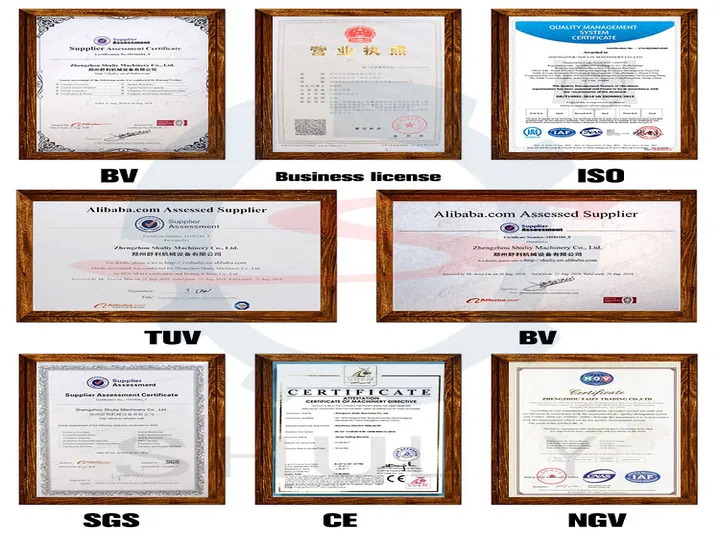
Shuliy has exported charcoal machines to South America for over 10 years. We understand the needs of Brazilian coconut processors.
Voltage Compatibility
Our machines support 380V/60Hz Brazilian industrial power standards.
Climate Adaptation
Equipment is designed for tropical humidity and high-temperature environments.
Technical Support
Remote diagnostics, Portuguese-English documentation, and local spare part partnerships.
Flexible Shipping
Machines can be delivered to Santos, Paranaguá, Suape, or any major Brazilian port.
Frequently Asked Questions
Do I need a large factory to start?
No. A 500-1,000 square meter space is enough for a 500 kg/hour production line. Larger operations require 2,000+ square meters.
Can I use wet coconut shells directly?
Fresh shells must be dried first. Moisture above 25% reduces carbonization efficiency and charcoal quality.
How much charcoal can I produce from 1 ton of shells?
Coconut shells typically yield 25-30% charcoal by weight. One ton of dry shells produces 250-300 kg of charcoal.
Is coconut shell charcoal better than wood charcoal?
Yes. Coconut shell charcoal has higher fixed carbon, lower ash, longer burn time, and less smoke than most wood charcoal.
Can the machine run on Brazilian power supply?
Yes. We configure machines for 380V/60Hz. Voltage compatibility is guaranteed.
How long does delivery take to Brazil?
Sea freight from China to Brazilian ports typically takes 35-50 days. We handle export documentation and customs support.
Do you provide training?
Yes. We offer installation supervision, operator training, and ongoing technical support. Video training is also available.
Start Your Coconut Shell Charcoal Business in Brazil Today
Brazil has everything needed to build a successful coconut shell charcoal export business: abundant raw materials, growing international demand, and proven carbonization technology. A coconut shell charcoal making machine from Shuliy gives you the capacity, quality, and reliability to compete in global markets.
Contact our team today for a customized quotation, factory layout design, and profit projection based on your local coconut shell supply.