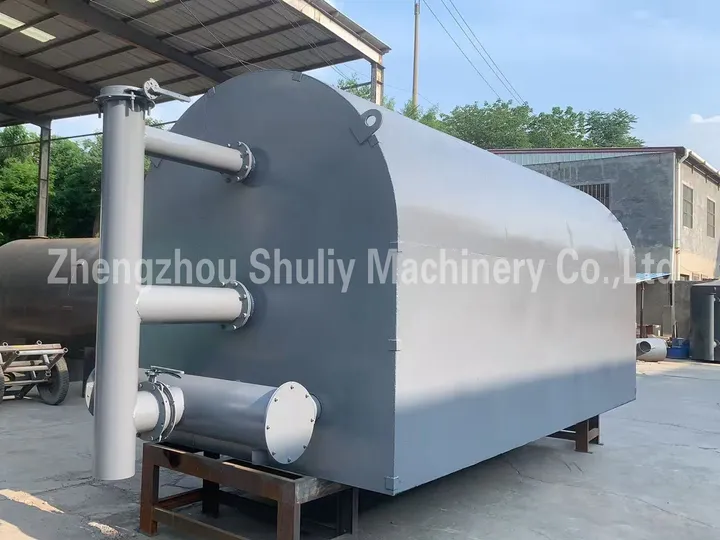
Coconut Shell Charcoal Making Machine | Continuous Carbonization Furnace for Sale
| Marca | Shuliy |
| Matérias-primas | Cascas de coco |
| Método de trabalho | Lote ou contínuo |
| Capacidade | 500kg-3000kg |
| garantia | 12 meses |
| Após o serviço de garantia | Suporte técnico por vídeo, suporte on-line, serviço de manutenção e reparo em campo |
| Países mais vendidos | Indonésia, Filipinas, Uganda |
Agora você pode pedir detalhes técnicos aos nossos gerentes de projeto
Shuliy máquina de fazer carvão de casca de coco is a continuous carbonization furnace designed for converting discarded coconut shells into high-value charcoal through pyrolysis. Our system processes 500-3,000 kg/hour of crushed coconut shell fragments (1- 2 cm size), converting them into premium coconut shell charcoal for BBQ, shisha, and activated carbon production.
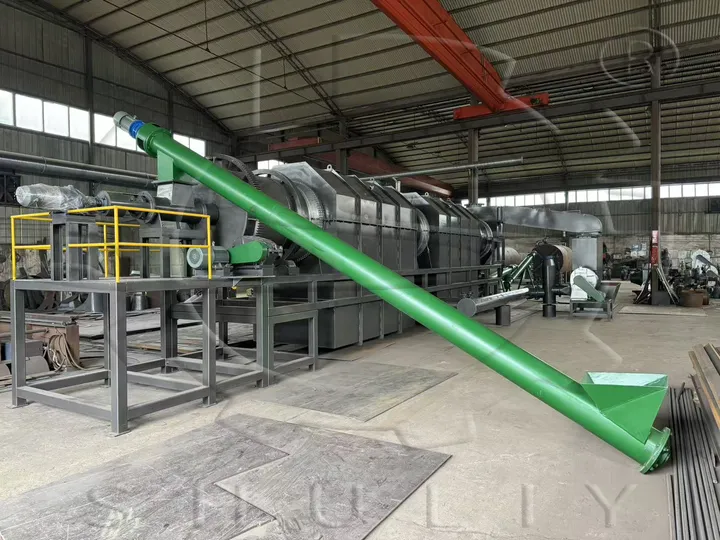
Compared with batch-type coconut shell charcoal machines, our continuous carbonization furnace operates 24/7 without stopping. Crushed coconut shells complete the carbonization cycle in approximately 30 minutes from furnace entry to discharge. The PLC-controlled pyrolysis system maintains 300-600°C operating temperature while recycling combustible gas as free fuel.
With 20+ years of manufacturing experience and installations in 50+ countries including Malaysia, Philippines, England, and Indonesia, Shuliy provides reliable coconut shell charcoal solutions.
What is a Coconut Shell Charcoal Making Machine?
A coconut shell charcoal making machine converts coconut shell waste into valuable charcoal through thermal decomposition. The continuous carbonization furnace version processes pre-crushed shells automatically, feeding material at one end while discharging finished charcoal at the other.
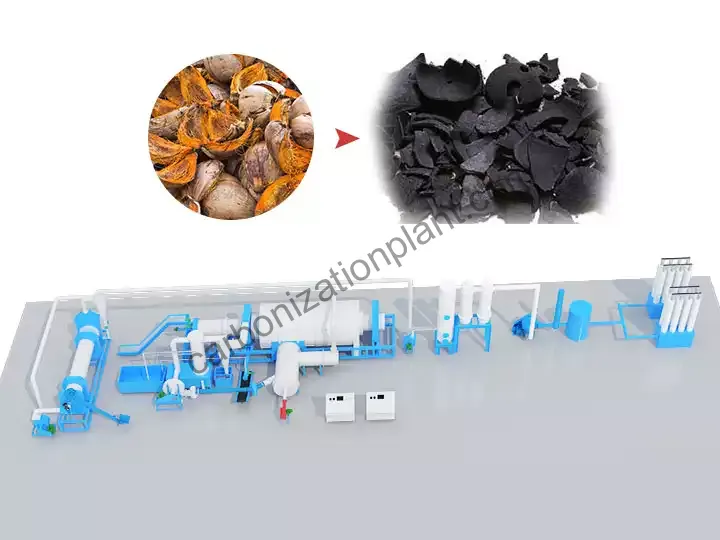
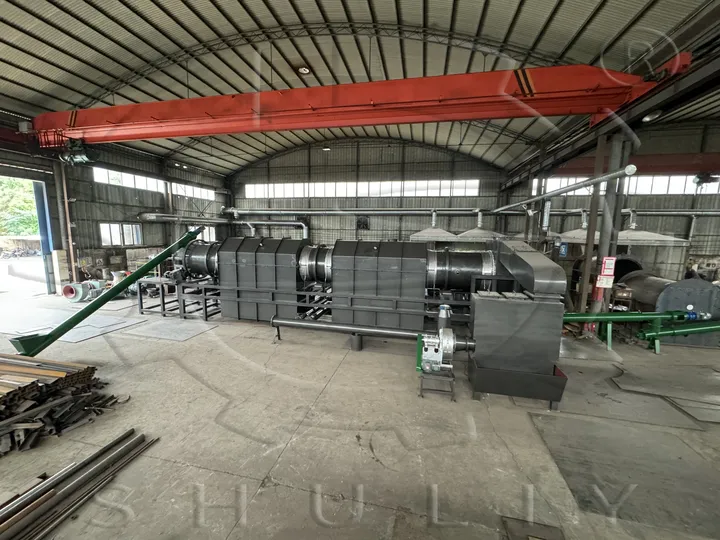
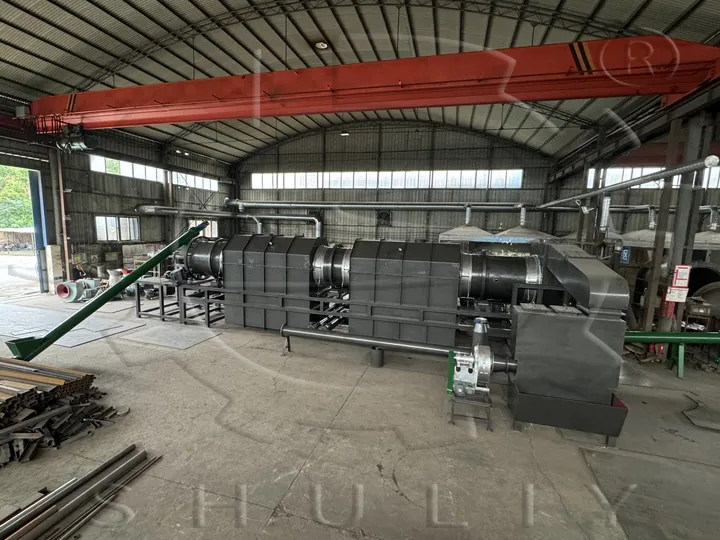
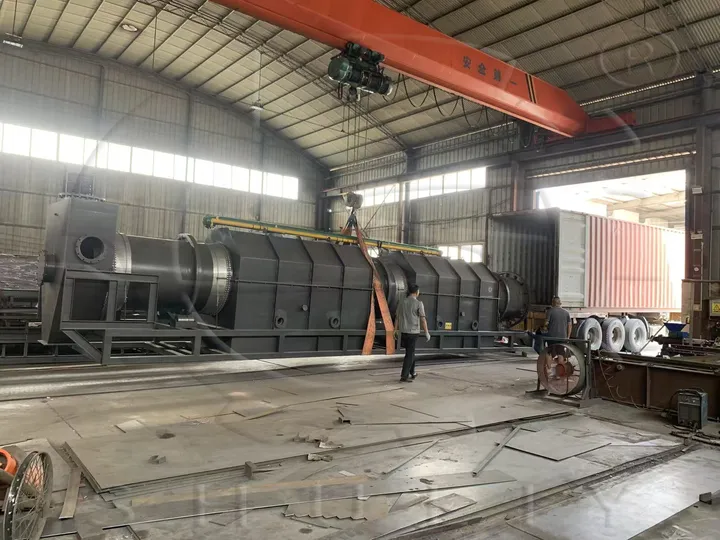
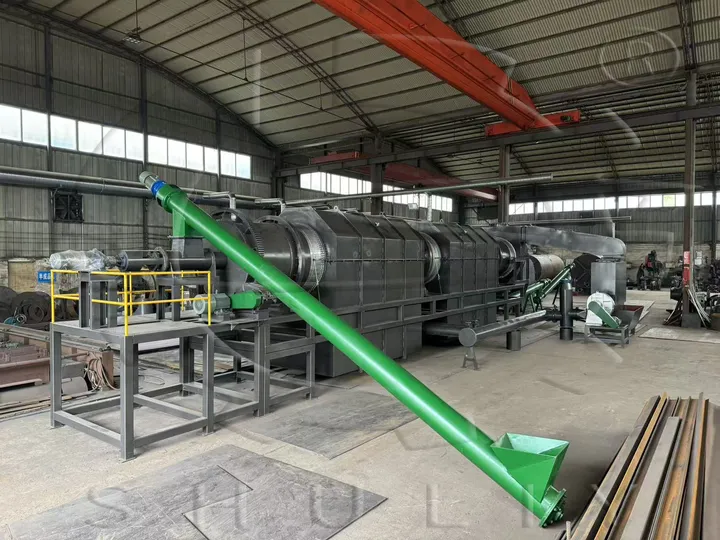
The machine consists of a complete production line including a crusher, dryer, screw feeder, rotary carbonization drum, combustion chamber, cooling discharger, and gas recycling system. All components integrate through centralized PLC control for automated operation.
Raw Materials and Final Products
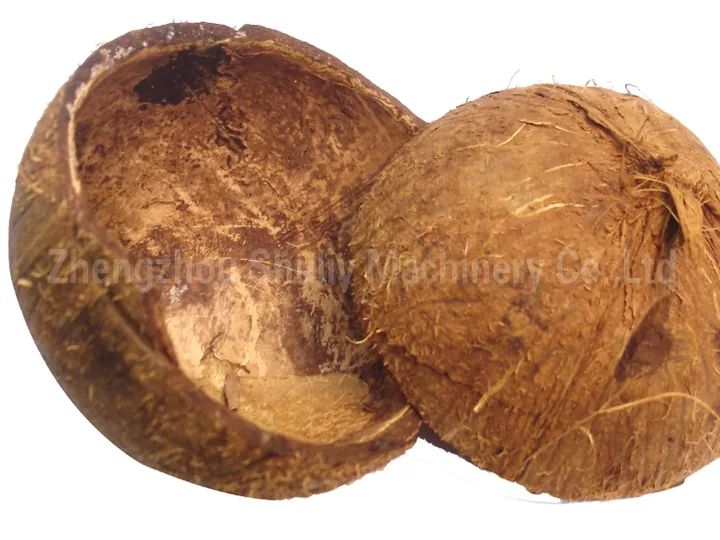
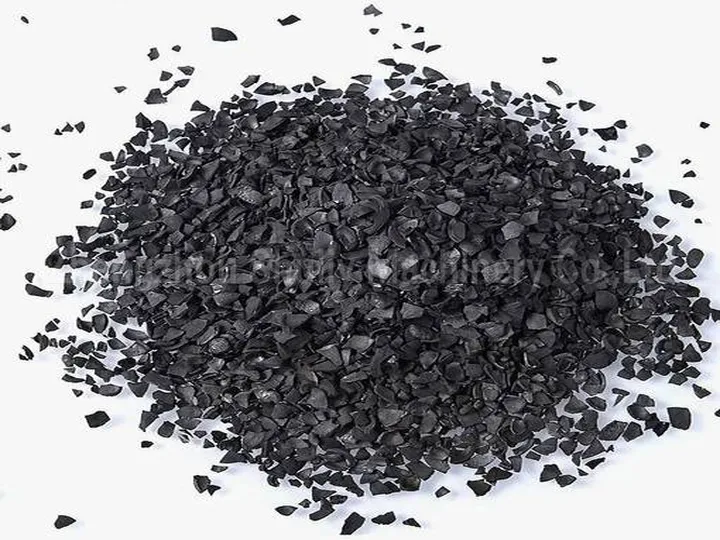
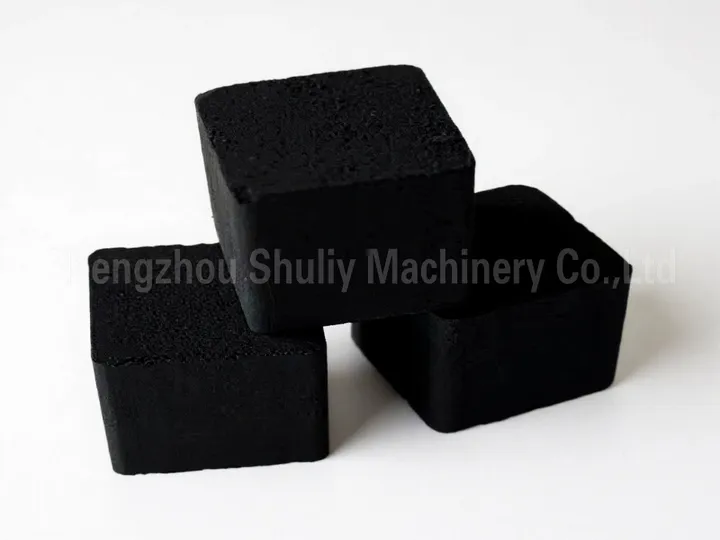
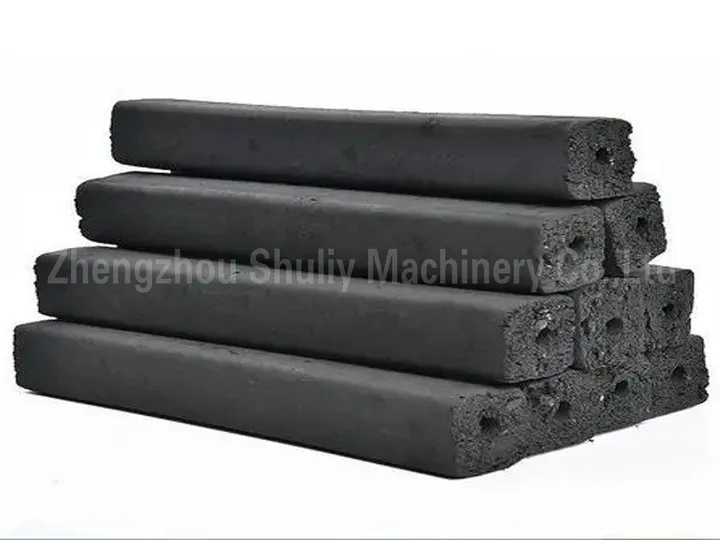
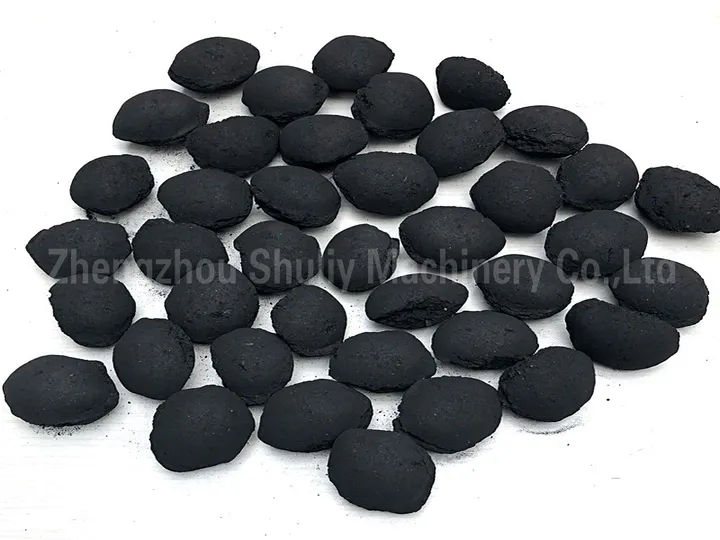
Used coconut shells are everywhere, and if discarded coconut shells are thrown away or burned, then they are not fully utilized. However, making charcoal from coconut shells can increase its commercial value. The final coconut shell charcoal can be a high-quality raw material for making barbecue charcoal and hookah charcoal.
Especificações Técnicas
Our coconut shell charcoal making machines use continuous carbonization furnace technology with four standard capacity options.
| Modelo | SL-0812 | SL-1015 | SL-1218 | SL-1320 |
|---|---|---|---|---|
| Hourly Feeding Capacidade | 500 kg/h | 0.8-1 Tons/h | 1.5-2 Tons/h | 2.5-3 Tons/h |
| Método de trabalho | Contínuo Carbonizing | Contínuo Carbonizing | Contínuo Carbonizing | Contínuo Carbonizing |
| Tamanho do reator (Drum Dia.) | 800 mm | 1000 mm | 1300 mm | 1700 mm |
| Poder total | 40 kW | 55 kW | 60 kW | 72 kW |
| Floor Area (L×W×H) | 30×15×7 m | 35×15×7 m | 45×15×10 m | 50×15×10 m |
| Método de resfriamento | Recycling Water Cooling | Recycling Water Cooling | Recycling Water Cooling | Recycling Water Cooling |
Why Do Coconut Shells Need Pre-Crushing?
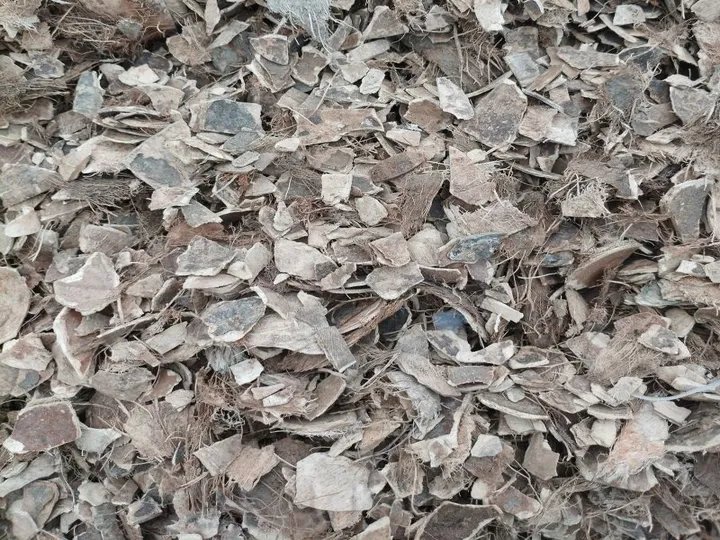
Coconut shells must be crushed before entering the continuous carbonization furnace. Whole shells are too large for uniform heat transfer inside the rotary drum.
The optimal feed size is 1- 2 cm. Shells within this range achieve complete carbonization in approximately 30 minutes. Larger pieces require longer residence time and may produce uneven charcoal quality. Smaller fragments below 1cm can create excessive dust and reduce product yield.
Moisture content should be below 25% before carbonization. Fresh coconut shells typically contain 30-40% moisture, so drying is necessary. Our system uses waste heat from the carbonization process to feed the dryer, reducing fuel consumption.
How Does the Continuous Carbonization Furnace Process Coconut Shells?
The coconut shell charcoal making machine uses pyrolysis to decompose organic material in an oxygen-limited environment. The complete process has four stages.
Stage 1: Drying and Preheating
Crushed coconut shells enter the rotary drum. The temperature gradually rises to 150°C. Free water evaporates during this stage. The drying phase prepares the material for thermal decomposition.
Stage 2: Pyrolysis at 300-600°C
The core carbonization reaction occurs in this stage. Coconut shell cellulose, hemicellulose, and lignin break down under heat. Volatile compounds escape as combustible gas. Fixed carbon remains as solid charcoal.
The coconut shell carbonization kiln maintains precise temperature control through PLC operation. This ensures consistent charcoal quality with carbon content above 75%.
Stage 3: Combustible Gas Recycling
Pyrolysis gas travels through the condenser system. Wood vinegar and tar separate as valuable by-products. Cleaned gas returns to the combustion chamber as free fuel. This recycling system reduces external fuel demand by 40-60%.
Stage 4: Water-Cooled Discharge
Finished charcoal exits through the water-cooled screw discharger. Cooling water jackets reduce temperature to approximately 30°C. Safe discharge prevents spontaneous ignition and allows immediate packaging.
The entire process from feeding to discharge takes about 30 minutes in continuous operation.
Key Advantages of Shuliy Coconut Shell Charcoal Making Machine
Fast 30-Minute Carbonization Cycle
Crushed coconut shells move continuously through the rotary drum. Complete pyrolysis finishes in approximately 30 minutes. This rapid processing supports high daily output with minimal labor.
High Charcoal Quality
The controlled 300-600°C temperature range produces coconut shell charcoal with low ash content and high fixed carbon. This quality meets standards for BBQ charcoal, shisha charcoal, and activated carbon feedstock.
Automated Continuous Operation
The continuous carbonization furnace feeds, carbonizes, and discharges material automatically. One operator monitors the entire system through the PLC touchscreen.
Energy Self-Sufficiency
Combustible gas recycling provides a major portion of the heating energy. External fuel is mainly needed during startup. Operating costs remain low compared with batch-type kilns.
Conformidade Ambiental
All flue gas passes through dust removal and water seal treatment before release. No open flames or smoke escapes during normal operation. The system meets emission standards in most countries.
Safe Low-Temperature Discharge
Water-cooled discharge maintains output temperature around 30°C. Workers can handle finished charcoal safely without waiting for cooling.
Applications and Final Products
Coconut shell charcoal from our coconut shell charcoal making machine serves multiple high-value markets:
BBQ Charcoal
Burns hotter and longer than wood charcoal. Low smoke and low ash make it ideal for grilling.
Shisha/Hookah Charcoal
High density and clean-burning properties suit hookah charcoal production.
Activated Carbon
Coconut shell charcoal is the preferred raw material for water and air purification activated carbon.
Industrial Fuel
Steel mills and power plants use coconut shell charcoal as a clean-burning fuel alternative.
Dores do Cliente e Soluções
Pain Point 1: Whole Shells Carbonize Unevenly
- Problem: Whole coconut shells have thick walls. Batch-type furnaces often produce partially burned or over-carbonized product.
- Solution: Pre-crushing to 1- 2 cm size ensures uniform heat penetration. The continuous carbonization furnace maintains consistent temperature for even quality.
Pain Point 2: Long Processing Time
- Problem: Traditional batch kilns require 8-24 hours per cycle including heating and cooling.
- Solution: Continuous operation reduces the effective processing time to about 30 minutes per batch of material. Daily output increases significantly.
Pain Point 3: High Fuel Costs
- Problem: Batch systems consume large amounts of external fuel to heat and reheat the furnace repeatedly.
- Solution: Combustible gas recycling reuses pyrolysis gas as fuel. This cuts external fuel consumption substantially.
Pain Point 4: Smoke and Environmental Complaints
- Problem: Open burning or poorly sealed kilns generate visible smoke and odors.
- Solution: The sealed continuous carbonization furnace captures and treats all exhaust gas. No smoke escapes during normal operation.
Successful Project: Malaysia Coconut Shell Charcoal Plant
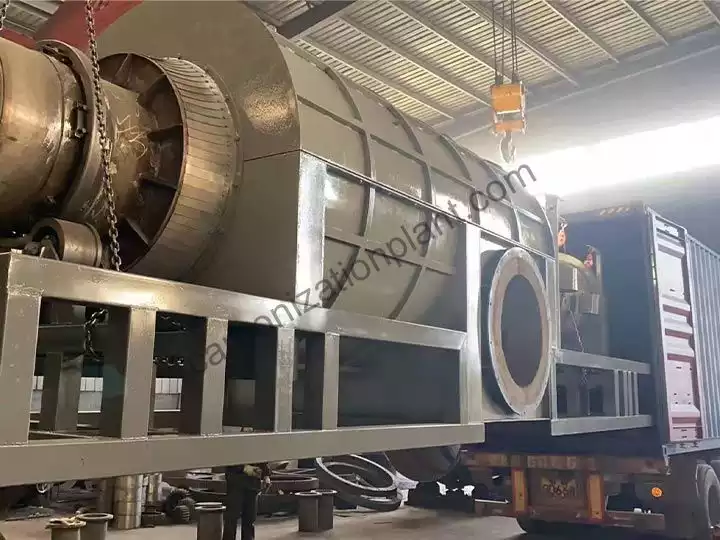
A wood processing plant in Malaysia installed our SL-1015 coconut shell charcoal making machine in 2022. The facility wanted to convert abundant local coconut shell waste into exportable charcoal products.
Project Details:
- Machine model: SL-1015 continuous carbonization furnace
- Capacity: 0.8-1 ton per hour
- Raw material: Crushed coconut shells below 2cm
- Final products: BBQ charcoal and shisha charcoal feedstock
- Current status: Running in full production
The customer reported stable operation and consistent product quality. The plant exports finished charcoal to Middle Eastern and European markets.
Why Choose Shuliy?
Proven Experience
20+ years in charcoal machine manufacturing. Installations across 50+ countries.
Quality Certifications
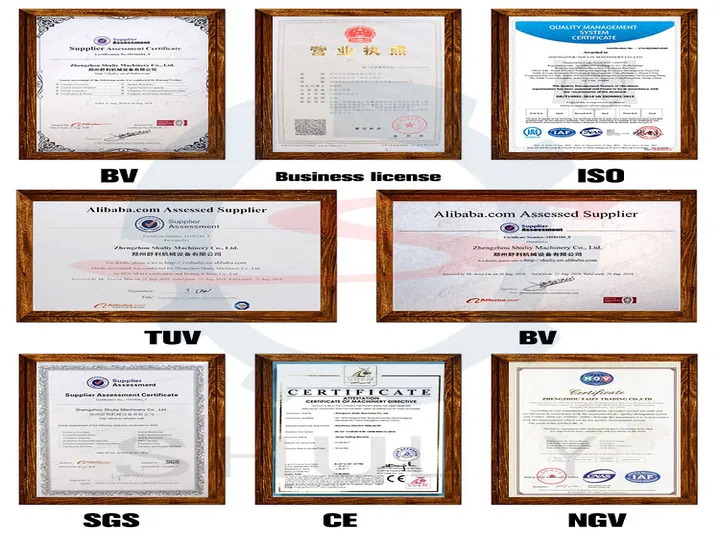
ISO 9001, CE certification, and internationally recognized safety standards.
Comprehensive Support:
- 1-year full warranty on all components
- Lifetime technical support
- Multilingual service team
- Spare parts available for immediate shipment
Custom Solutions
We configure the coconut shell charcoal making machine according to your raw material size, moisture level, target capacity, and available factory space.
Coconut Shell Charcoal Machine Price
Every charring equipment of Shuliy Machinery is of high quality and reasonable price. We believe that your investment in our plant is worthwhile. The price of different types of coconut shell charcoal making machines varies. The price is affected by the style of the machine, the size of the output, the price of auxiliary equipment, the price of optional equipment, and the shipping cost. If customers have customized requirements, the cost will be changed. You can consult us and we will provide you with a detailed price list.
FAQs of Coconut Shell Charcoal Making Machine
What size should coconut shells be crushed to?
Crush coconut shells to 1-2cm fragments. This size provides the best carbonization effect and allows approximately 30-minute processing time.
How long does carbonization take in the continuous furnace?
Crushed coconut shells complete the full carbonization cycle in about 30 minutes from furnace entry to cooled discharge.
What is the working temperature of the carbonization furnace?
The continuous carbonization furnace operates at 300-600°C during the pyrolysis stage. PLC control maintains stable temperature automatically.
Does the machine require continuous external fuel?
External fuel is mainly needed during startup. After reaching operating temperature, combustible gas recycling provides most of the heating energy.
Can the machine process wet coconut shells?
Fresh coconut shells with 30-40% moisture must be dried first. We recommend moisture content below 25% before carbonization.
What by-products are produced?
The system collects wood vinegar, wood tar, and combustible gas during pyrolysis. These by-products have commercial value.
Is the operation safe?
Yes. The sealed furnace operates under negative pressure. Safety devices include temperature alarms, pressure sensors, and explosion-proof valves.
How many workers are needed?
The automated system requires 1-2 operators for feeding, monitoring, and packaging.
Related Products
Horizontal Carbonization Furnace
This batch-type horizontal carbonization kiln covers three standard models (SL-HC1300/SL-HC1500/SL-HC1900) with single batch processing capacity ranging from 900kg to 3000kg and total machine weight of 2500–5500kg. It adopts double-layer heavy-duty steel furnace body filled with thick high-temperature rock wool insulation, matched with fully sealed alloy steel furnace door and an integrated flue gas purification & combustible gas recycling system. Stable carbonization temperature is controllable at around 600℃ under an oxygen-free dry distillation environment. Apart from wood logs, branches and biomass briquettes, it can carbonize bamboo, coconut shells, palm shells, rice husks and other agricultural & forestry waste materials. Equipped with built-in loading trolley rails, multi-fuel heating interface and full-cycle gas recovery pipeline, it delivers high-integrity uniform charcoal products for barbecue charcoal factories, biomass recycling plants, agricultural waste treatment manufacturers and biochar processing workshops.
Core Advantages
- Broad Biomass Raw Material Adaptability: Fits large block materials like logs, bamboo and nut shells; dedicated continuous carbonization equipment optional for small-size crushed materials below 3cm to meet diversified carbonization demands.
- Labor-Saving Batch Production: Built-in trolley and guide rail loading-unloading structure, only 1–2 operators required to drastically reduce labor intensity and manual costs.
- Horizontal Uniform Heating Layout: Horizontal inner cavity expands material laying area for balanced heat distribution, effectively avoiding local over-burning or incomplete carbonization to guarantee consistent charcoal yield and quality.
- Self-Circulating Energy-Saving Heating System: Recycles pyrolysis combustible gas for secondary combustion, realizes self-sustaining heat supply without extra fuel consumption; compatible with wood, coal, natural gas multiple auxiliary heat sources.
- Fully Sealed Smokeless Eco Design: High-temperature rock wool sealing strips on furnace door block air leakage to maintain oxygen-free carbonization environment; matched smoke purification unit achieves standard smokeless emission.
- Thickened Heat-Insulated Durable Structure: Sandwich rock wool insulation layer minimizes heat loss and improves thermal efficiency; high-temperature alloy lock parts resist thermal deformation for long service life.
- Complete After-Sales & Customized Service: 12-month full machine warranty with online technical support and on-site installation guidance; furnace size, gas pipeline layout and supporting cooling system can be customized according to site conditions and output requirements.