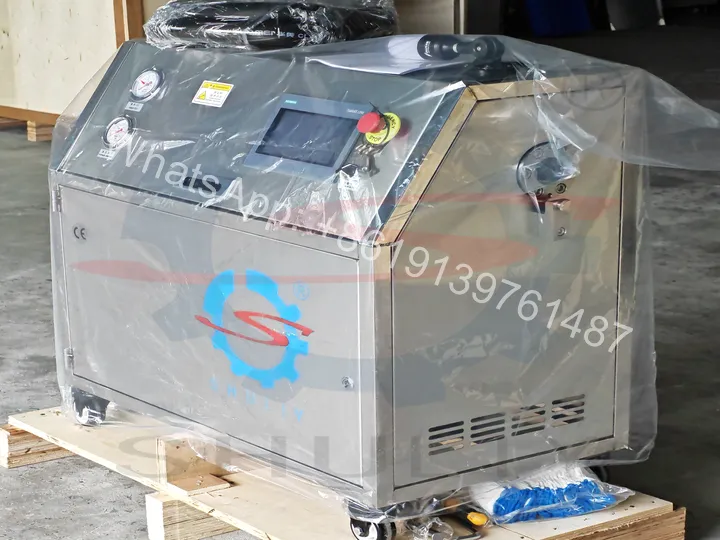
How Much Does a Dry Ice Pelletizer Machine Cost?
A dry ice pelletizer machine typically costs between 5,000 and 30,000 USD depending on capacity, configuration, and automation level. Small 50 kg/hour models start around 5,000- 10,000 USD. Medium 200 kg/hour systems range from 10,000- 20,000 USD. Large 500+ kg/hour industrial units can reach 20,000- 30,000 USD. This guide explains what determines the price of a dry ice pellet making machine and what features justify the investment.
The exact price may vary depending on the machine configuration and requirements. Please contact the manufacturer for a detailed quotation. You can contact us for a price quote, and we will get back to you within 24 hours.
What Is a Dry Ice Pelletizer Machine?
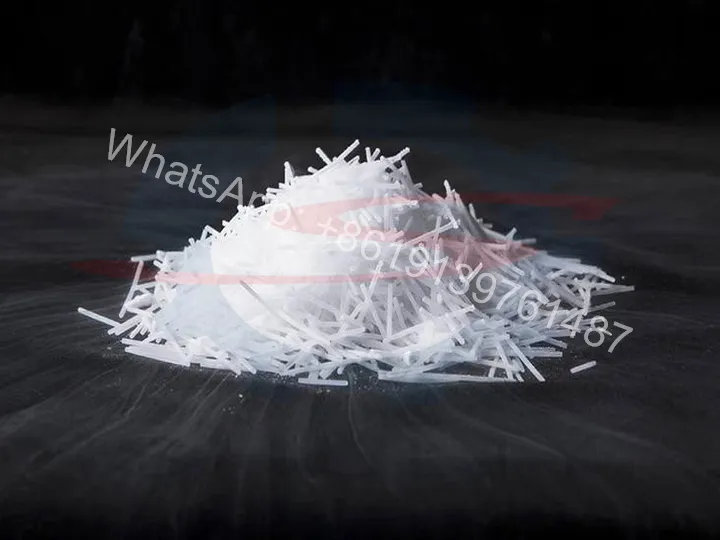
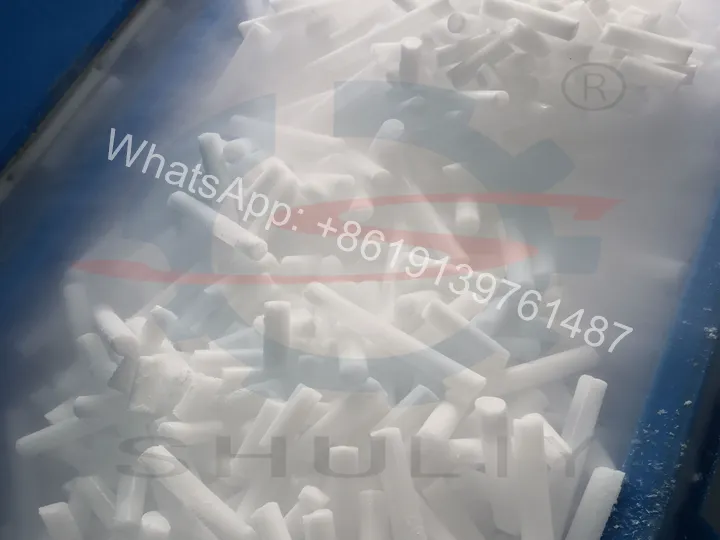
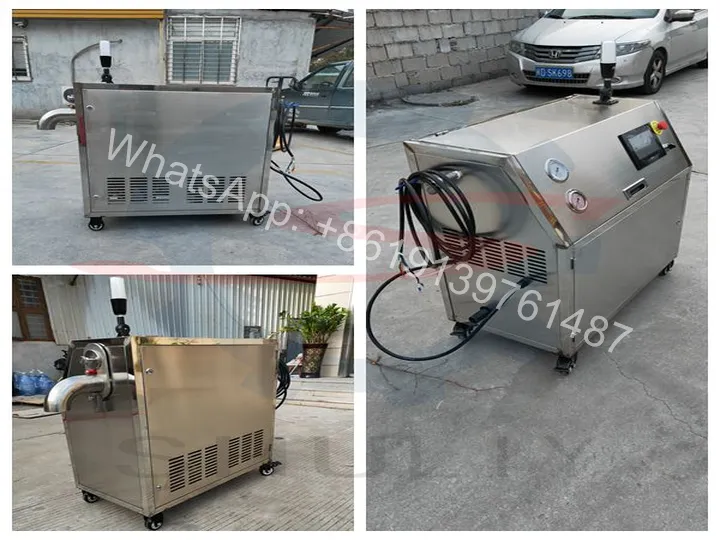
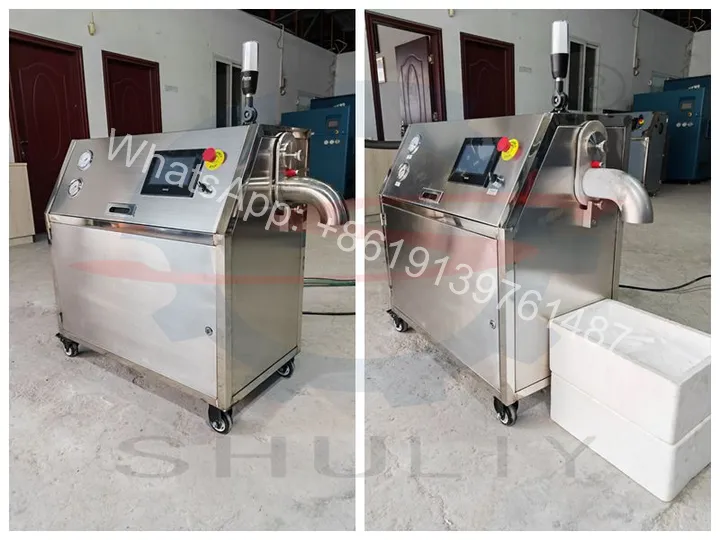
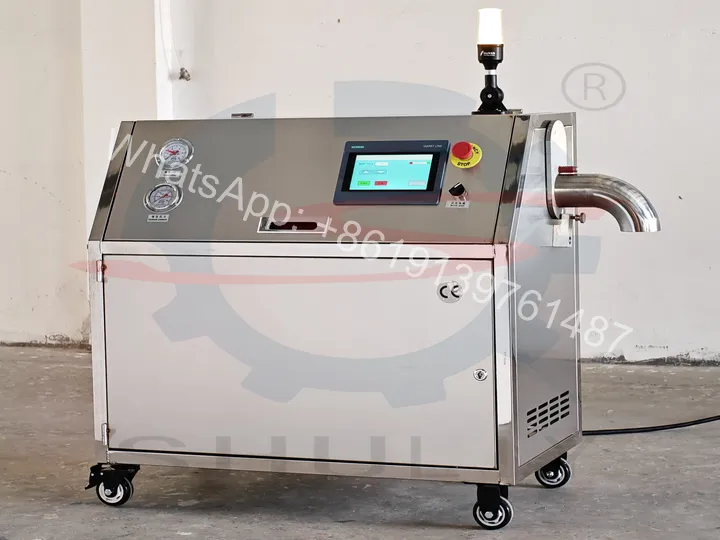
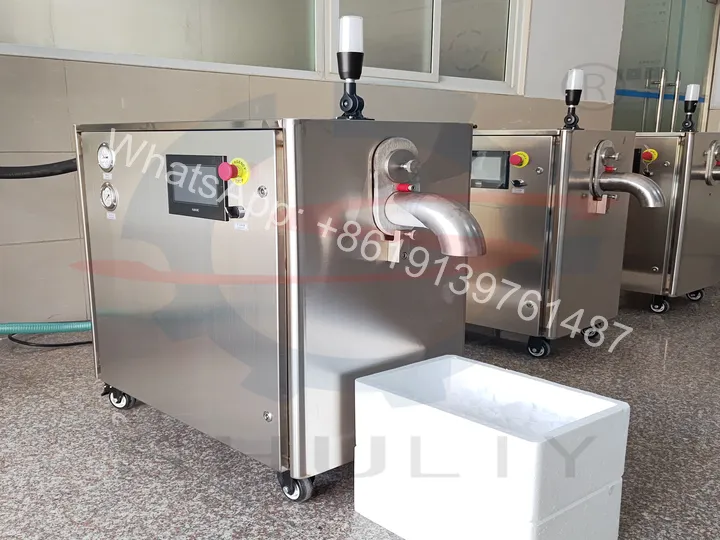
A dry ice pelletizer machine converts liquid carbon dioxide into solid dry ice pellets through controlled compression and cooling. The machine pressurizes liquid CO₂, then rapidly releases pressure to create a mixture of CO₂ snow and gas. A hydraulic ram compresses the snow into dense pellets that extrude through a die.
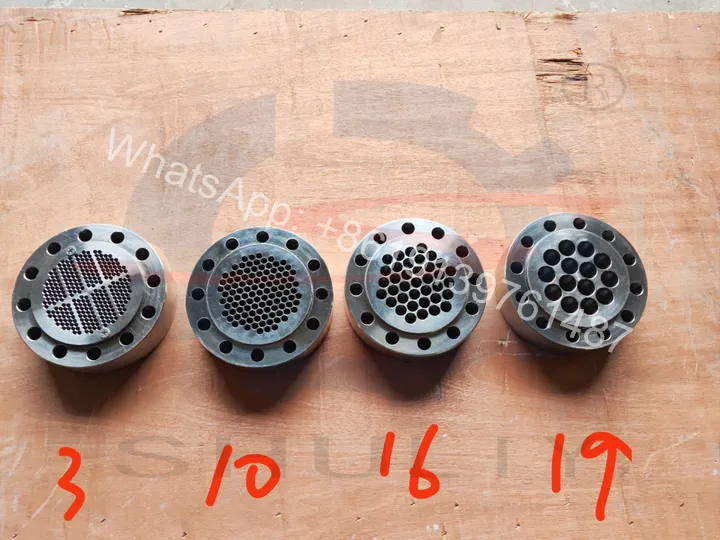
The resulting pellets measure 3mm to 19mm in diameter. These pellets serve as cleaning media for dry ice blasting, cooling medium for industrial applications, and raw material for specialized uses. Unlike traditional cleaning methods, dry ice blasting equipment removes contaminants without water, chemicals, or abrasive residue.
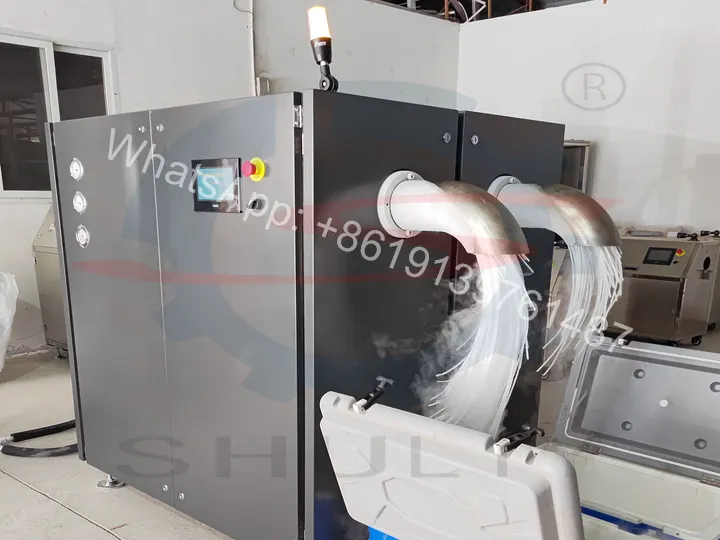
Dry Ice Pelletizer Machine Specifications
Our dry ice pelletizer machines are available in four standard models. Each capacity level corresponds to different price points.
| Modelo | Capacidade | Motor Power | Pellet Diameter |
|---|---|---|---|
| SL-DI 50 | 50-80 kg/h | 7.5 kW | Φ3 – Φ19 mm |
| SL-DI 100 | 100-150 kg/h | 11 kW | Φ3 – Φ19 mm |
| SL-DI 200 | 200-250 kg/h | 15 kW | Φ3 – Φ19 mm |
| SL-DI 500 | 500-600 kg/h | 22 kW | Φ3 – Φ19 mm |
Higher capacity models feature larger compression chambers, more powerful hydraulic systems, and heavier-duty construction. These improvements increase both performance and price.
Applications of a Dry Ice Pelletizer Machine
The dry ice pelletizer machine produces cleaning media for high-value industrial applications. Understanding these applications explains the machine’s return on investment.
Dry Ice Blasting for Industrial Cleaning
The primary application is producing pellets for dry ice blasting equipment. Pellets accelerate through a blast hose and impact contaminated surfaces. The extreme cold (-78.5°C) embrittles coatings, grease, and debris. The pellet’s kinetic energy removes the material. Finally, the CO₂ sublimates into gas, leaving no secondary waste.
This method effectively removes paint from automotive parts, grease from industrial machinery, mold from building materials, and contaminants from electrical equipment. No water exposure eliminates corrosion risk. No abrasive media prevents surface damage.
Electrical and Precision Equipment Maintenance
Dry ice cleaning systems safely clean sensitive electrical components. The non-conductive, moisture-free process suits electric motors, switchgear, control panels, and semiconductor manufacturing equipment. No drying time means faster equipment return to service.
Surface Preparation and Restoration
Automotive restoration shops use dry ice pellets for paint removal without damaging underlying metal. Mold remediation contractors remove mold without spreading spores. Fire restoration companies clean smoke damage without water damage.
What Factors Affect Dry Ice Pellet Machine Price?
Several technical factors determine the final cost of a dry ice pellet making machine.
1. Production Capacity
Capacity is the biggest price driver. A 50 kg/hour machine costs significantly less than a 500 kg/hour machine. Larger machines require bigger compression chambers, stronger hydraulic rams, and more robust frames.
Choose capacity based on actual daily demand. Oversized machines waste capital. Undersized machines create production bottlenecks.
2. Automation Level
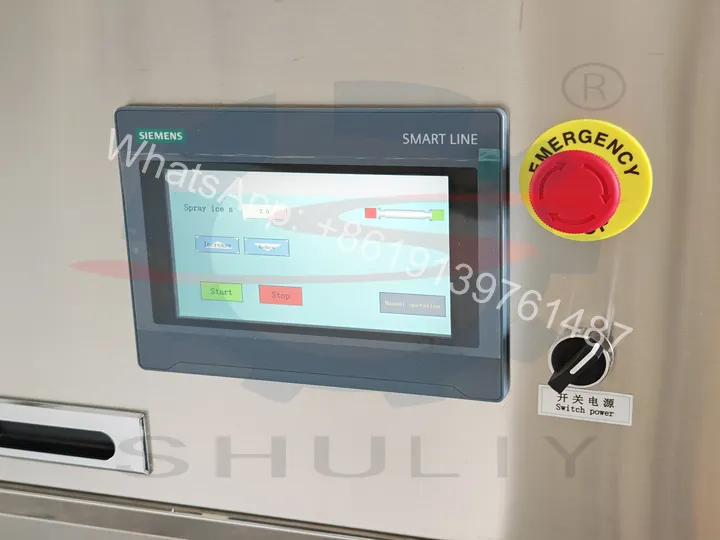
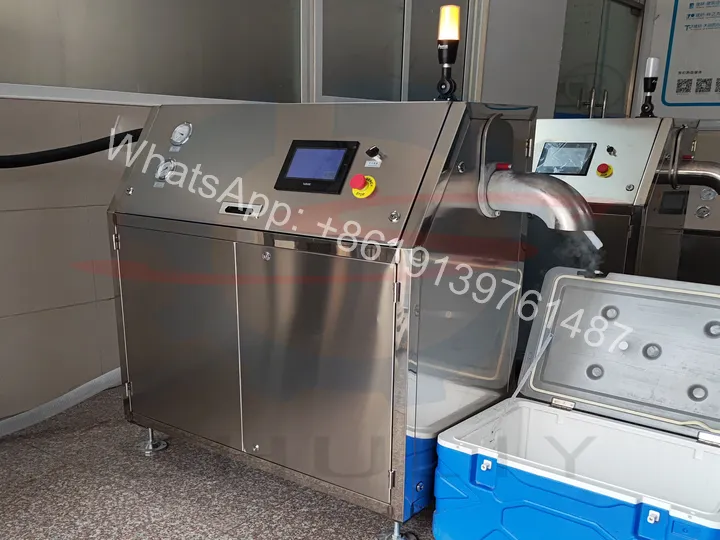
Basic manual machines cost less than fully automated systems. Automated dry ice production machines include PLC control, touchscreen interfaces, automatic pellet length adjustment, and fault diagnostics.
Automation reduces labor requirements and improves consistency. For high-volume operations, the extra investment typically pays back within 6-12 months.
3. Build Quality and Materials
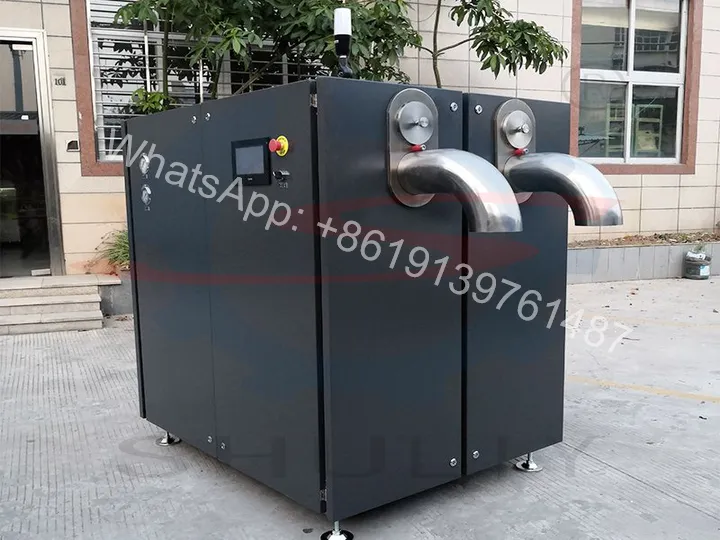
Premium machines use stainless steel contact surfaces, hardened steel extrusion dies, and branded hydraulic components. These materials resist wear and extend service life.
Lower-cost machines use standard steel and generic components. Initial savings disappear when parts fail prematurely.
4. Pellet Size Flexibility
Machines with quick-change die systems cost more than fixed-die models. The ability to switch between 3mm, 6mm, and 9mm pellets adds versatility for different cleaning applications.
Consider whether your operation needs multiple pellet sizes. Single-application operations can save money with dedicated dies.
5. CO₂ Recovery System
Advanced dry ice pelletizer machines include closed-loop CO₂ recovery. This system captures excess gas and returns it to the compression chamber. Recovery systems add 10-15% to machine cost but reduce liquid CO₂ consumption by the same percentage.
High-volume producers benefit from recovery systems. Low-volume operations may not recoup the investment.
6. Additional Accessories
Complete installations may include:
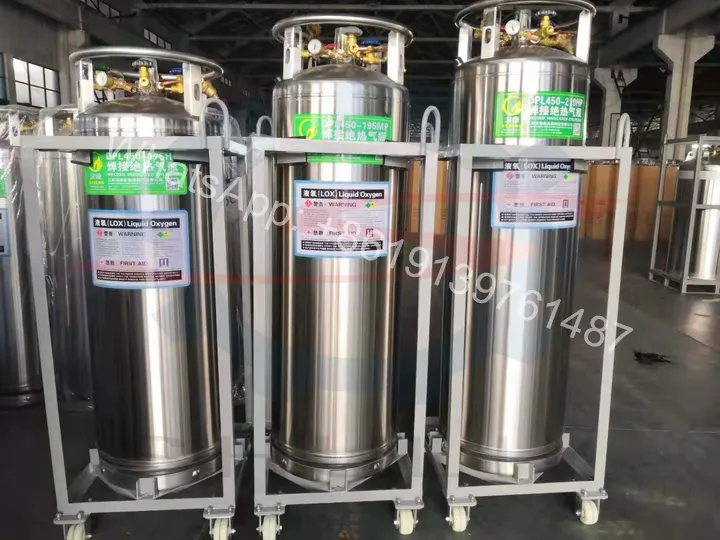
- Liquid CO₂ storage tanks
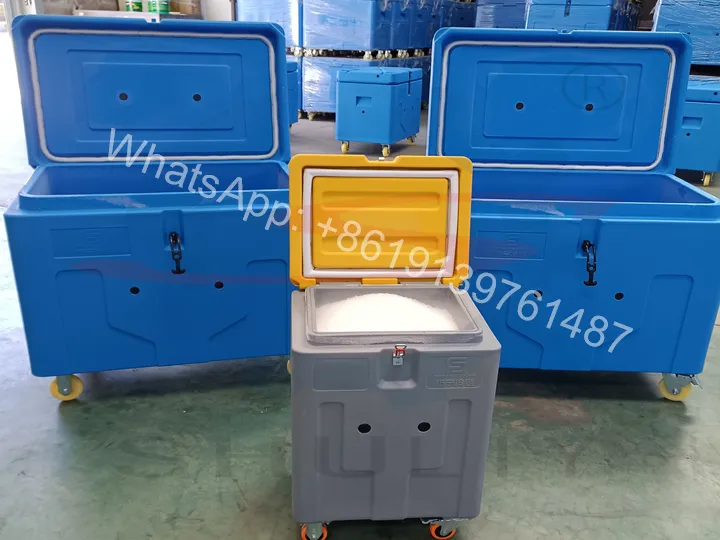
- Pellet storage containers
- Transfer systems to blasting equipment
- Safety equipment packages
- Spare parts kits
These accessories add $5,00 − $15,000 to total project cost.
What Is the Total Cost of a Dry Ice Pelletizer?
Purchase price represents only part of the investment in a dry ice pelletizer machine. Buyers should consider long-term operating costs.
Liquid CO₂ Consumption
The machine consumes approximately 2.2-2.5 kg of liquid CO₂ per kilogram of dry ice pellets produced. CO₂ typically costs 0.50- 1.00 per kg depending on location and contract terms.
A machine producing 100 kg/hour consumes 220-250 kg of liquid CO₂ hourly. At 0.75 per kg, hourly CO₂ cost ranges from 165-$188.
Electricity Costs
Motor power ranges from 7.5 kW to 22 kW depending on model. At 0.12 per kWh, hourly electricity costs range from 0.90 to $2.64.
Maintenance Expenses
Annual maintenance includes hydraulic seal replacement, die sharpening, and lubrication. Budget 3-5% of machine purchase price annually for routine maintenance.
Labor Costs
Automated machines require only one operator. Manual machines may need two workers. Labor costs vary by region but typically represent the largest operating expense after CO₂.
ROI Considerations for Dry Ice Pelletizer Machine Investment
The dry ice pelletizer machine generates return through two primary revenue streams.
Internal Production Savings
Companies currently purchasing dry ice pellets save money by producing in-house. Commercial pellet prices range from 3- 8 per kg depending on quantity and location. In-house production costs 1.50 − 3.00 per kg including CO₂, electricity, and labor.
A facility consuming 500 kg of pellets weekly saves 750 − 2,500 per week by switching to in-house production. Annual savings reach 39,000 − 130,000.
Commercial Pellet Sales
Cleaning contractors and dry ice suppliers sell pellets to other users. Market prices of 3- 5 per kg generate healthy margins for efficient producers.
A 200 kg/hour machine operating 8 hours daily produces 1,600 kg of pellets. At 4 per kg, daily revenue reaches 6,400. Monthly revenue potential exceeds $128,000 with consistent demand.
Key Features to Consider When Buying a Dry Ice Pelletizer Machine
Some features deliver long-term value and justify higher prices.
PLC Control System
Precise pressure and temperature control improves pellet density consistency. Automated fault detection prevents costly downtime.
Quick-Change Die System
Switching pellet sizes in 15 minutes instead of 2 hours increases operational flexibility.
Closed-Loop CO₂ Recovery
10-15% CO₂ savings accumulates significantly in high-volume operations.
Hardened Steel Extrusion Dies
Quality dies last 12-18 months. Cheap dies wear in 3-6 months and produce inconsistent pellets.
Insulated Pellet Collection Hopper
Reduces sublimation loss immediately after production. Quality insulation pays for itself in CO₂ savings.
Get Your Dry Ice Pelletizing Machine Quote Today
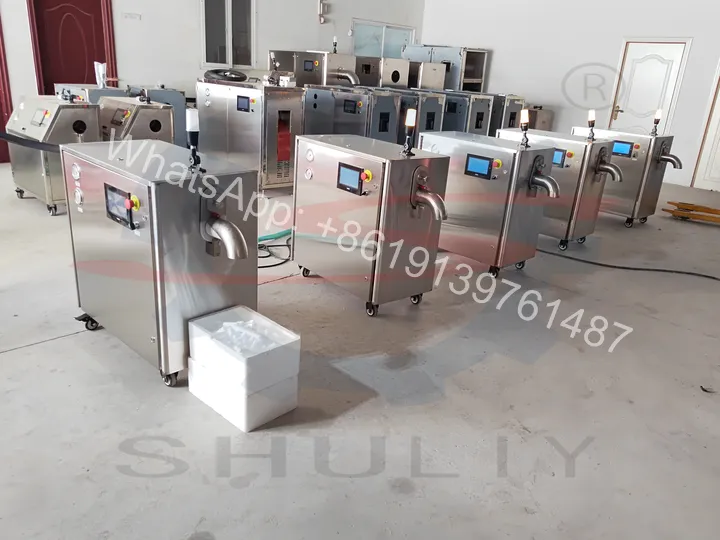
The cost of a dry ice pelletizer machine depends on capacity, automation level, and configuration. Shuliy provides transparent pricing based on your specific production requirements and application needs.
Contact our team today for a detailed quotation including machine specifications, CO₂ supply requirements, and total project cost analysis.