How Much Does a Sewage Sludge Carbonization Machine Cost?
Sewage sludge carbonization machine cost depends on several key factors, including processing capacity, equipment configuration, automation level, and local emission control requirements. A sewage sludge carbonization machine uses oxygen-limited pyrolysis technology to convert hazardous dewatered sludge into stable, carbon-rich biochar, providing an effective solution for sludge reduction and resource utilization.
This guide explains the main factors that influence sludge carbonization machine pricing, the features that affect equipment costs, and how to select the right system configuration for different projects. Since each installation requires customized engineering based on raw material conditions and production requirements, we focus on machine specifications and cost factors rather than providing a fixed price.
What Factors Affect Sewage Sludge Carbonization Machine Cost?
Several technical factors directly influence the total investment.
1. Daily Processing Capacity
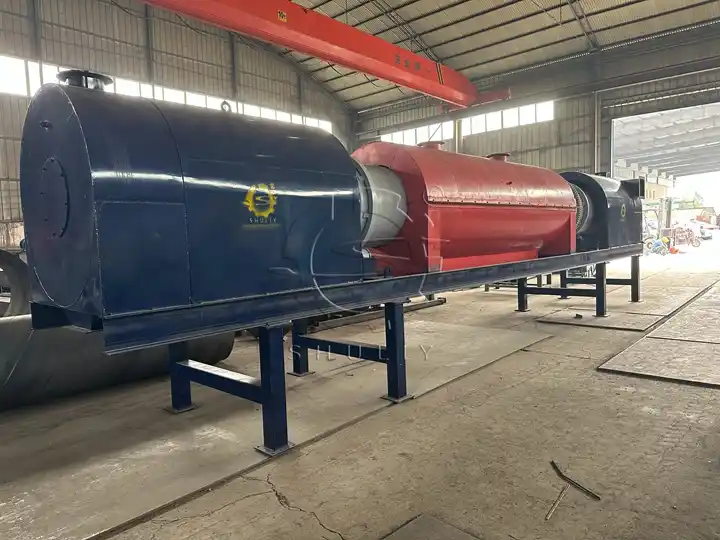
Capacity is the biggest cost driver. A small machine handling 10-20 tons per day costs much less than a system processing 100-120 tons daily.
| Capacity Range | Typical Application | Relative Cost Level |
|---|---|---|
| 10-20 tons/day | Small sewage plants, pilot projects | Lower |
| 30-50 tons/day | Medium municipalities | Medium |
| 80-100 tons/day | Large cities | Higher |
| 100-120 tons/day | Regional centers | Highest |
Larger machines require bigger furnaces, stronger motors, more refractory materials, and larger gas treatment systems. Each capacity increase raises the total cost proportionally.
2. Sludge Moisture Content
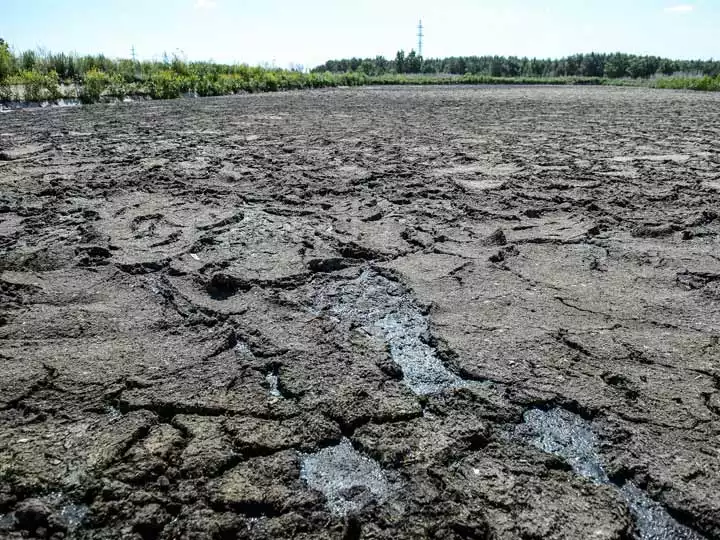
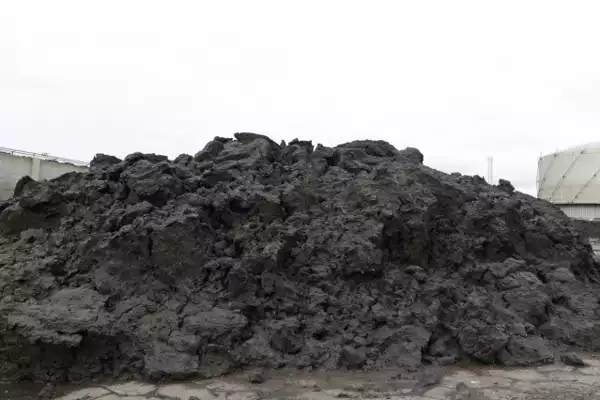
Dewatered sludge typically contains 75-82% moisture. Higher moisture requires more drying equipment. A complete system with integrated dryer costs more than a carbonization-only unit.
Some buyers already have sludge drying equipment. Others need the full drying-carbonization-gas treatment package. The required configuration changes the price.
3. Type of Carbonization Technology
Two main technologies exist for sludge treatment.
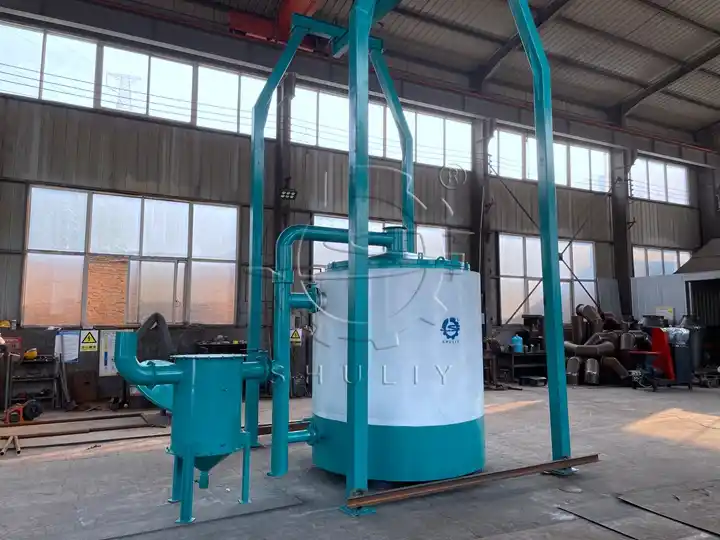
Continuous Indirect-Heating Rotary Furnace
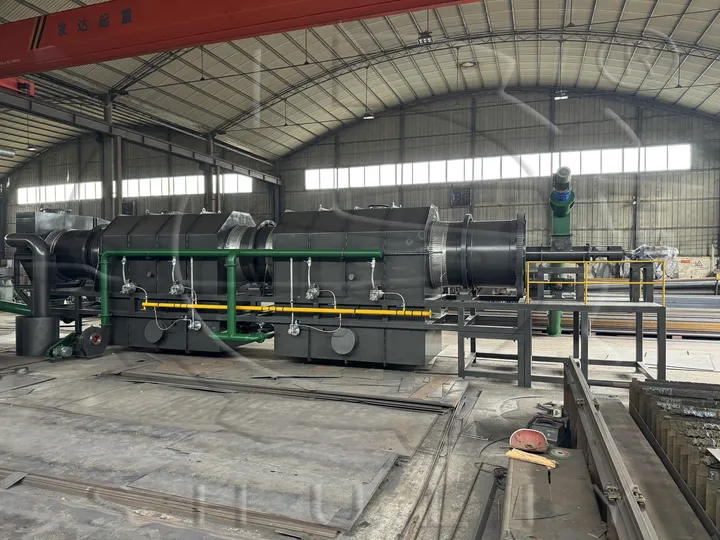
This is the mainstream industrial choice. It processes sludge 24 hours per day with high energy efficiency. Continuous systems cost more upfront but have lower operating costs.
Batch Carbonization Furnace
This suits small pilot projects. It processes sludge in batches with manual loading and unloading. Batch systems cost less initially but produce less daily output.
4. Level of Automation
A basic manual system costs less than a fully automated PLC-controlled system. Automated systems include:
- PLC touchscreen control
- Oxygen and pressure monitoring
- Automatic feeding and discharge
- Temperature control loops
- Safety alarm systems
Automation reduces labor needs and improves safety. For municipal plants processing large volumes, automation usually pays back quickly.
5. Flue Gas Treatment Requirements
Emission standards vary by country. Stricter standards require more treatment stages. A standard gas treatment system includes:
- Secondary combustion chamber
- Spray cooling tower
- Bag filter dust removal
- Deacidification system
- Activated carbon adsorption
Projects in regions with strict environmental rules need additional treatment equipment. This increases total system cost.
6. Material Quality and Construction
Furnace materials affect both price and service life. Key material choices include:
- Carbon steel versus stainless steel
- Refractory lining thickness
- Wear-resistant components for sandy sludge
- Chrome-plated or ceramic-coated contact surfaces
Higher-quality materials increase initial cost but reduce maintenance and extend equipment life.
What Is Included in a Complete Sludge Carbonization System?
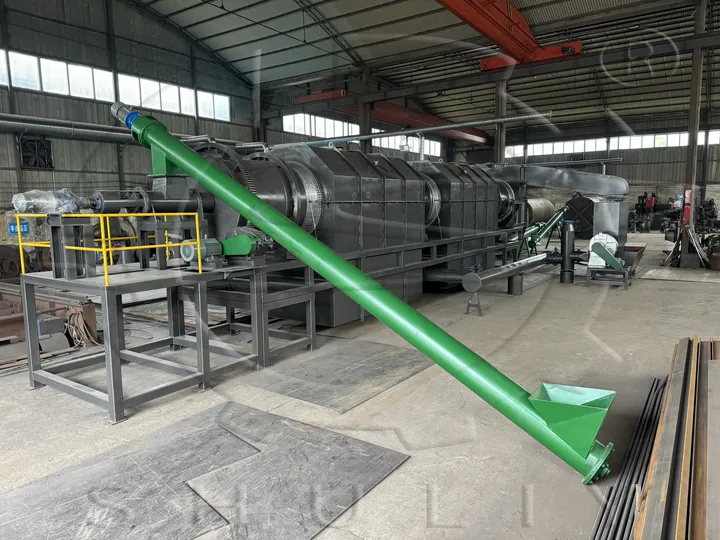
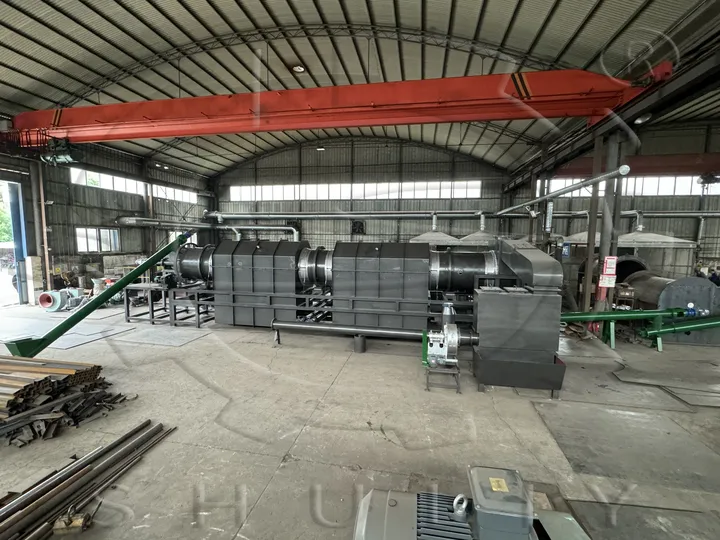
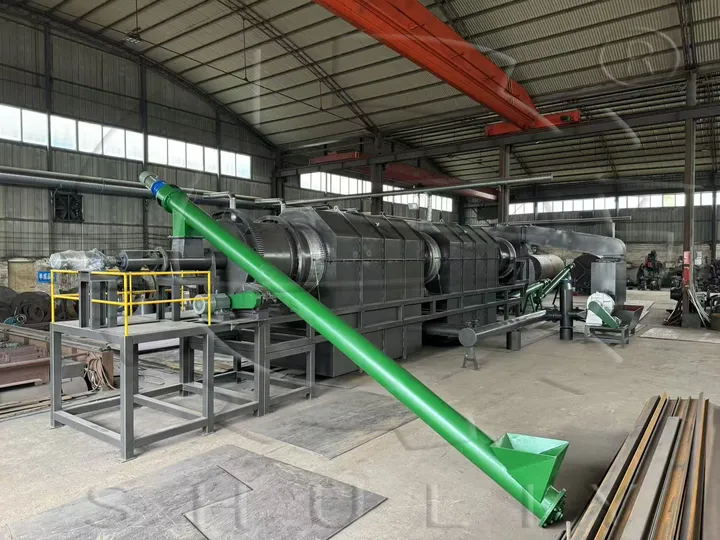
A full sewage sludge carbonization machine system includes more than just the furnace. Buyers should understand all components.
| Component | Descrição |
|---|---|
| Feeding Equipment | Screw conveyors and belt feeders with anti-blocking design handle sticky dewatered sludge. |
| Drying Unit | Pre-dries high-moisture sludge using waste heat from carbonization. |
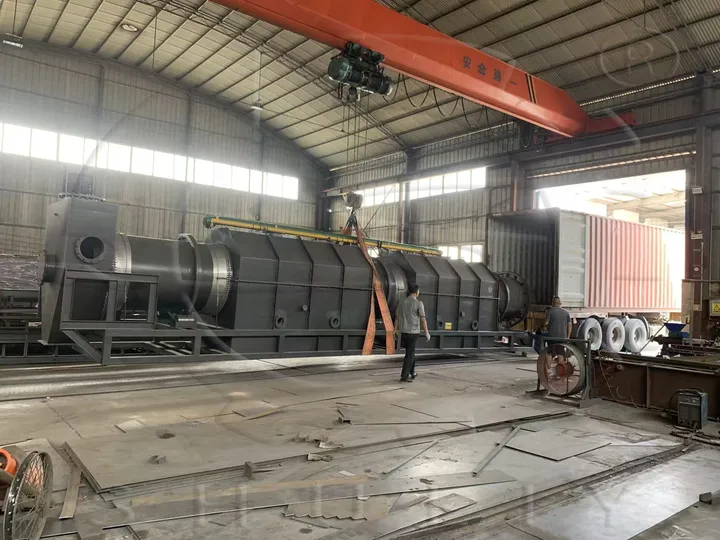
| Carbonization Host | The double-layer rotary furnace or spiral pyrolysis reactor where thermal decomposition occurs. |
| Gas Recovery System | Collects combustible pyrolysis gas and sends it to the combustion chamber. |
| Water-Cooled Discharger | Cools finished biochar safely and prevents spontaneous ignition. |
| Flue Gas Purification | Multi-stage treatment system ensures emission compliance. |
| Control System | PLC panel monitors temperature, pressure, oxygen content, and gas flow. |
How to Get an Accurate Quotation?
Since every sludge project differs, buyers should prepare the following information before requesting a quote.
Sludge Type
Municipal sludge, food processing sludge, paper mill sludge, or industrial sludge? Each type has different handling requirements.
Daily Sludge Volume
How many tons of dewatered sludge need processing each day?
Moisture Content
What is the typical moisture percentage? Dry solids content affects dryer sizing.
Local Emission Standards
Which environmental regulations must the system meet?
Available Factory Space
What are the length, width, and height limitations?
Power Supply
What is the local voltage and frequency?
With this information, suppliers can design a system that matches actual needs. Fixed price lists rarely reflect real project requirements.
Why Focus on Total Cost of Ownership?
The purchase price is only part of the investment. Buyers should also consider:
Energy Consumption
A well-designed sludge carbonization machine recycles pyrolysis gas as free fuel. This reduces long-term energy costs significantly.
Labor Costs
Automated systems need fewer workers. Manual systems require more labor.
Maintenance Requirements
Wear-resistant materials and quality components reduce downtime and spare part costs.
Biochar Revenue
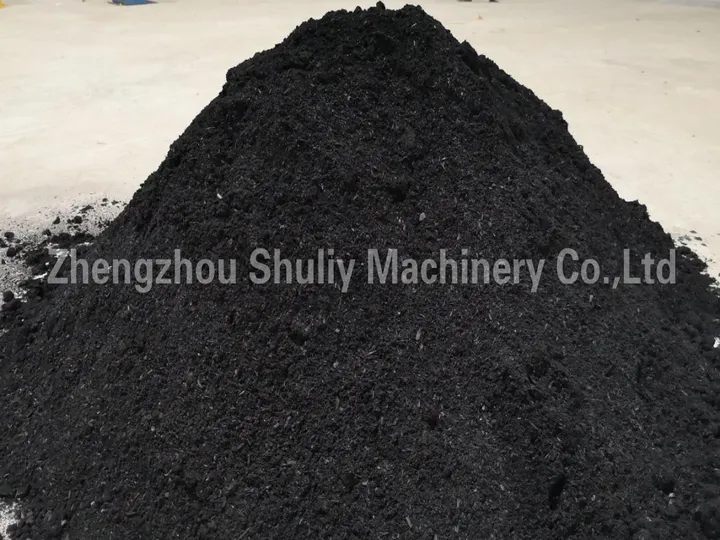
Selling sludge biochar for soil improvement or building materials can offset operating costs. Higher-quality biochar commands better market prices.
Disposal Savings
Reducing sludge volume by 70-90% lowers landfill and transport expenses. These savings often exceed energy and labor costs.
Key Machine Features Worth Paying For
Some features deliver long-term value and should not be sacrificed for lower upfront cost.
Double-Layer Indirect Heating
This design separates combustion gases from pyrolysis gas. It improves energy efficiency and process safety.
PLC Automation
Precise temperature and oxygen control improves biochar quality and reduces operator errors.
Multi-Stage Gas Treatment
Meeting emission standards avoids fines and shutdowns. This is essential for municipal projects.
Wear-Resistant Construction
Sandy sludge causes rapid furnace wear. Quality materials extend equipment life.
Sealed Water-Cooled Discharge
Prevents oxygen ingress and spontaneous ignition. This safety feature protects workers and equipment.
How to Compare Quotes from Different Suppliers?
When comparing sewage sludge carbonization machine quotations, look beyond the total number.
Check Component Lists
Make sure each quote includes the same equipment. Some suppliers exclude dryers, gas treatment, or control systems.
Verify Material Specifications
Ask about steel grades, refractory types, and motor brands. Lower-quality materials reduce system life.
Understand Warranty Terms
A 1-year warranty is standard. Some suppliers offer longer coverage on critical components.
Ask About Installation and Training
Does the quote include installation supervision and operator training? These services affect project success.
Request Reference Projects
Proven installations in similar applications reduce project risk.
Get a Customized Sludge Carbonization Machine Quotation
Every sludge project has unique requirements. The cost of a máquina de carbonização de lodo de esgoto depends on capacity, moisture content, emission standards, and system configuration.
Contact Shuliy Machinery with your project details. Our engineers will analyze your sludge characteristics and recommend the most cost-effective system design.
Click the contact window on the right to get in touch with us. We will provide you with a quotation within 24 hours.