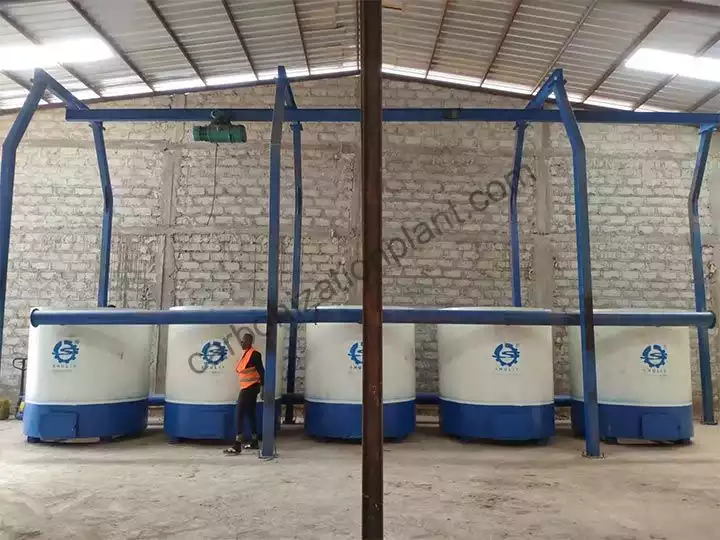
Máquina de Fabricação de Carvão de Bambu | Forno de Carbonização de Bambu para Venda
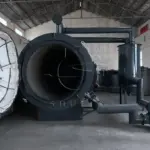
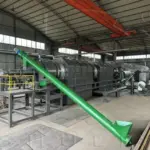
| Modelo | SL-VC1500, SL-HC1300, SL-HC1500, SL-HC1900 |
| Marca | Máquinas Shuliy |
| Capacidade | 900–3,000 kg/batch (12–24 hours) |
| Tamanho do reator | 1.9–5 m (length range varies by model) |
| Método de trabalho | Batch / Horizontal Carbonization |
| Métodos de aquecimento | Wood, charcoal, coal, wood pellets, biomass gas |
| Pressão de operação | Normal Pressure |
| Método de resfriamento | Natural Cooling Inside Furnace |
Agora você pode pedir detalhes técnicos aos nossos gerentes de projeto
Shuliy bamboo charcoal making machine converts bamboo biomass into high-value charcoal through controlled pyrolysis. Our batch-type machines process 900-3,000kg per cycle, while continuous-type systems deliver 400-3,000kg per hour. The resulting bamboo charcoal features 700m²/g surface area and 30% higher calorific value than wood charcoal, ideal for BBQ fuel, water purification, and textile applications.
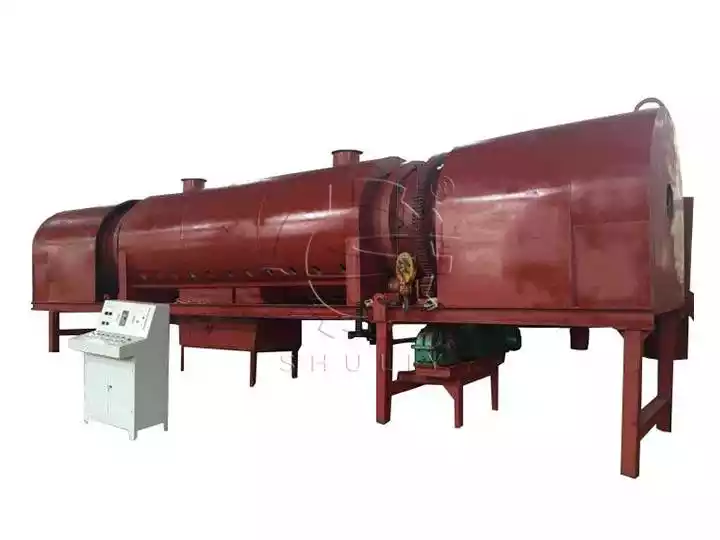
Compared with traditional methods, our machines feature precise temperature control (300-600°C) for consistent quality. Batch-type furnaces handle whole bamboo stalks up to 15cm diameter, while continuous models process crushed chips for 24/7 operation. All systems include smoke purification and gas recycling technology, requiring no external fuel.
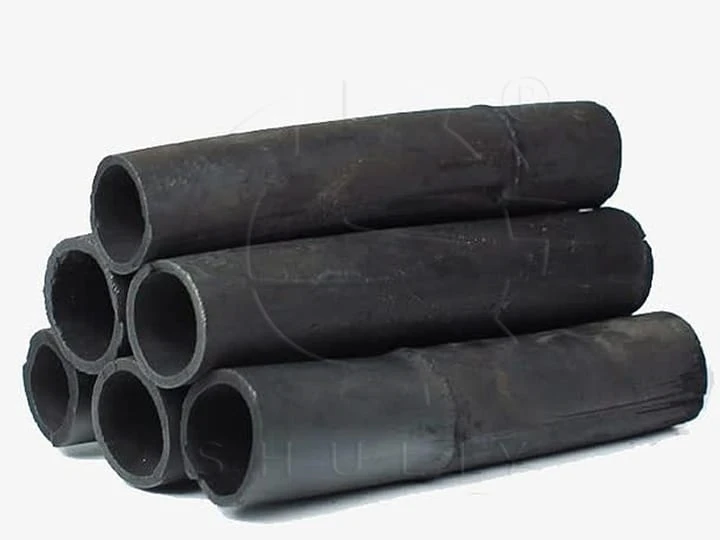
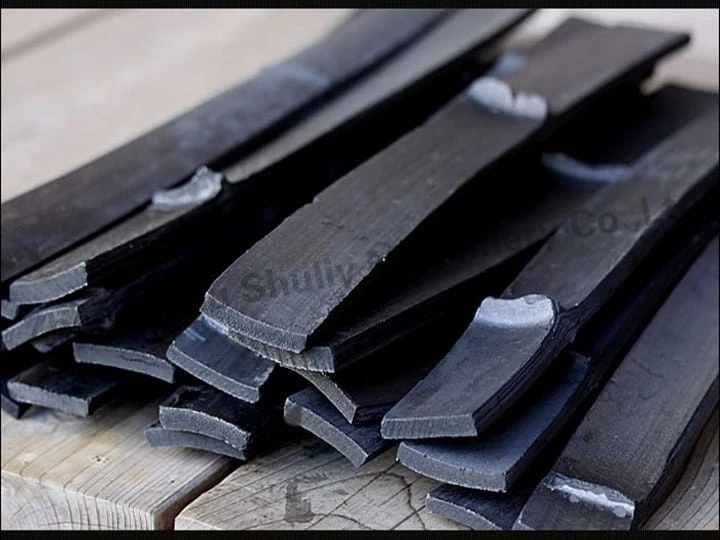
With 20+ years of expertise and installations across 50+ countries, Shuliy provides reliable solutions backed by technical support and lifetime service. Our customers achieve ROI within 6-12 months through premium bamboo charcoal sales worldwide.
What is a Bamboo Charcoal Making Machine?
A bamboo charcoal making machine is specialized equipment designed to convert bamboo biomass into high-quality charcoal through controlled pyrolysis. Unlike traditional charcoal production methods that rely on open-air burning, our bamboo carbonization machines use advanced thermal decomposition technology to produce consistent, high-calorific-value charcoal while minimizing environmental impact.
The process involves heating bamboo in an oxygen-limited environment at temperatures between 300-600°C, which drives off volatile compounds and leaves behind carbon-rich charcoal. Our machines feature precise temperature control systems that ensure optimal carbonization conditions, resulting in bamboo charcoal with superior properties including higher surface area (up to 700㎡/g compared to 300㎡/g for wood charcoal) and calorific value exceeding wood charcoal by 30%.
Types of Bamboo Charcoal Making Machines
Shuliy Machinery offers two main categories of bamboo charcoal making machines to accommodate different production scales and operational requirements. Understanding the differences between batch type and continuous type machines will help you select the most suitable equipment for your business.
Batch Type Bamboo Carbonization Machines
Batch type machines are ideal for small to medium-scale operations and businesses just entering the bamboo charcoal market. These machines process bamboo in discrete cycles, loading raw material, carbonizing it, and then unloading the finished charcoal.
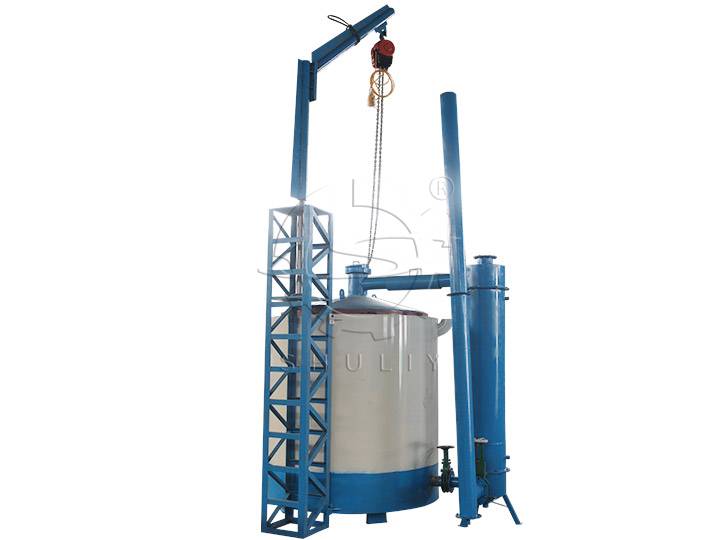
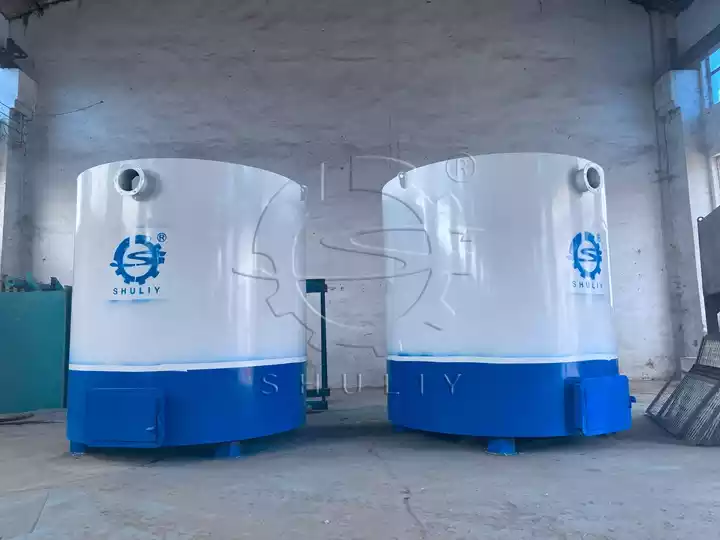
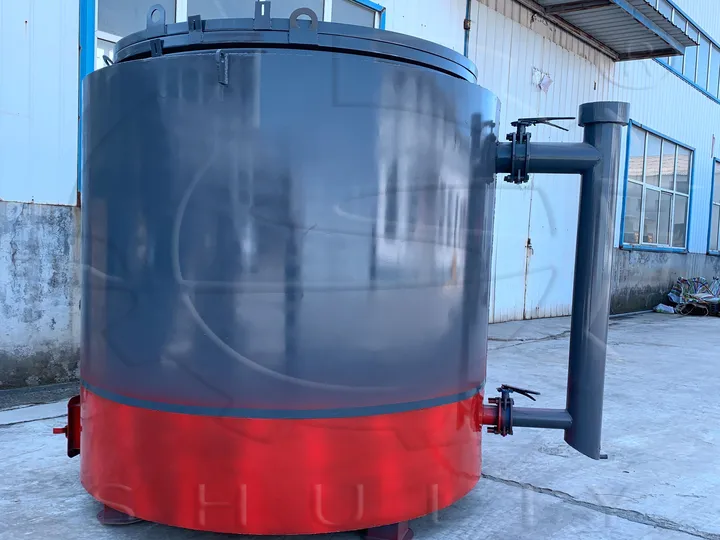
- Vertical bamboo charcoal making machine (Hoisting Type): The SL-VC1500 model features a vertical design with a capacity of 2,500-3,000kg per 24-hour cycle. This compact unit requires no electricity and operates using biomass fuel, making it perfect for off-grid locations.
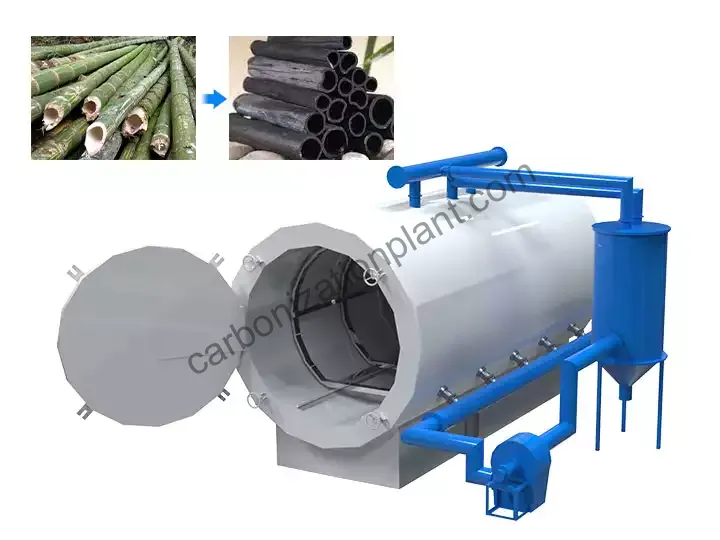
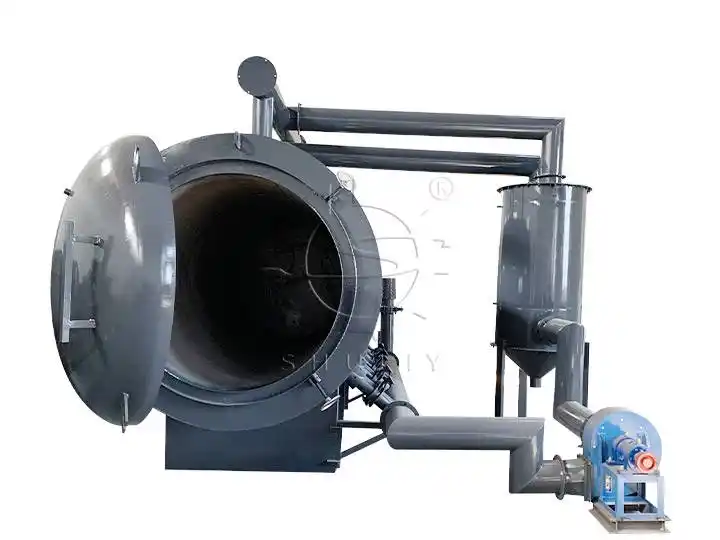
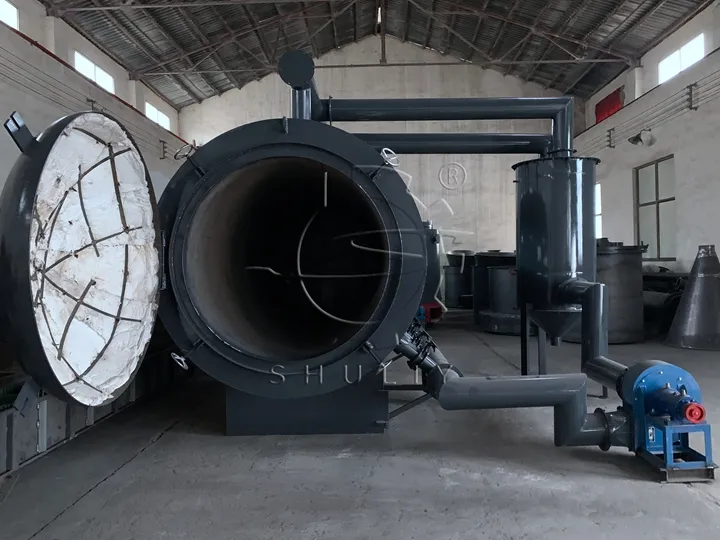
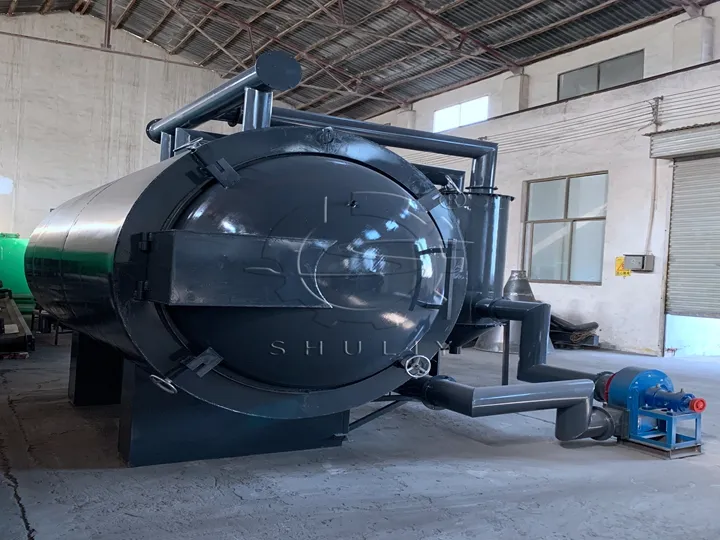
- Horizontal bamboo carbonization stove: Available in three models (SL-HC1300, SL-HC1500, SL-HC1900) with capacities ranging from 900-3,000kg per 12-14-hour batch. The horizontal design allows for even heat distribution and easy loading/unloading via trolley systems.
Continuous Type Bamboo Charcoal Machines
For large-scale commercial operations requiring high-volume production, our continuous bamboo charcoal machines offer 24/7 operation capability with minimal labor requirements. For the continuous bamboo charcoal machine, before carbonizing the bamboo, large pieces or long strips must be crushed first, with an optimal size of 1–2 cm in length.
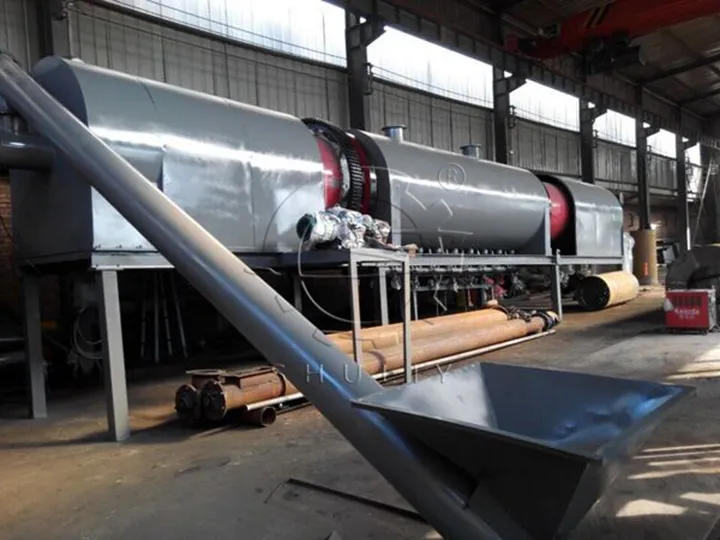
- Small continuous type (SL-CF Series): Models SL-CF800, SL-CF1000, and SL-CF1200 offer capacities from 200-800kg/hour. These machines require bamboo to be crushed into chips under 2cm before processing.
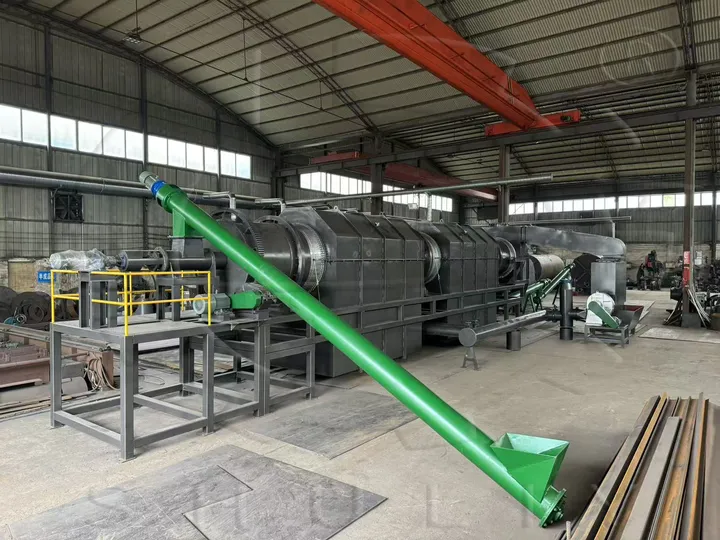
- Pyrolysis continuous type (SL-0XXX Series): Industrial-grade models including SL-0812, SL-1015, SL-1218, and SL-1320 with capacities from 500kg/hour to 3 tons/hour. These advanced systems feature PLC control and automated operation.
Technical Specifications
Our bamboo charcoal making machines are engineered with high-quality materials and precision manufacturing to ensure reliable performance and long service life. Below are the detailed specifications for our batch type models:
Modelo | SL-VC1500 | SL-HC1300 | SL-HC1500 | SL-HC1900 |
|---|---|---|---|---|
Capacidade | 2,500-3,000kg/24 hours | 900-1,200kg/12-14h | 1,500-2,000kg/12-14h | 2,500-3,000kg/12-14h |
Matérias-primas | Hard wood, logs, biomass briquettes, wood blocks, bamboo (whole or crushed) | |||
Final product usage | BBQ charcoal, household fuels, industrial fuels, shisha charcoal | |||
Tamanho do dispositivo | 1.94m × 1.9m × 1.9m | 3m × 1.7m × 2.2m | 4.5m × 1.9m × 2.3m | 5m × 2.3m × 2.5m |
Materiais de aquecimento | Wood, charcoal, coal, wood pellets, biomass (recyclable combustible gas) | |||
Peso | 2,800kg | 2,500kg | 4,000kg | 5,500kg |
Power requirement | None (biomass fueled) | Minimal | Minimal | Minimal |
How Does Bamboo Carbonization Work?
Understanding the bamboo carbonization process is essential for achieving optimal results and maximizing your production efficiency. Our machines employ controlled pyrolysis, a thermal decomposition process that converts bamboo biomass into charcoal in an oxygen-limited environment.
Step-by-Step Carbonization Process (Horizontal Bamboo Charcoal Making Machine)
- Moisture Removal: Open the exhaust valve and close the recirculation valve. Heat the furnace with kindling. Use high heat until about 100 °C, then reduce to maintain 120–150 °C for 6–10 hours. At this stage, the exhaust is mainly white steam.
- Mid-Stage Carbonization: After moisture removal, add more fuel and use medium heat to gradually raise the temperature evenly.
- Temperature Rise: Increase the furnace temperature to around 280 °C over 2–4 hours. Exhaust gas changes from white to yellow, and smoke reactions intensify. Open the recirculation valve and reduce or close the exhaust valve to direct smoke to the furnace bottom. Adjust both valves to control temperature and fire intensity.
- Final Carbonization: When the temperature reaches ~400 °C (after ~4 hours), add more fuel and increase to ~500 °C (1–2 hours). When smoke noticeably decreases, carbonization is nearly complete.
- Completion: Stop heating when smoke from the recirculation fire is minimal. Let the furnace burn out naturally, then close all valves. Allow charcoal to cool to below 50 °C before removing.
- Smoke Pattern Overview: No smoke (before carbonization) → light steam (<150 °C) → increasing smoke (150–280 °C) → peak smoke (350–400 °C) → decreasing smoke (~420 °C) → minimal smoke until self-extinguishing (carbonization complete).
The entire process transforms bamboo with a carbon content of approximately 45% into bamboo charcoal with carbon content exceeding 85%, significantly increasing its energy density and commercial value.
Applications of Bamboo Charcoal
Bamboo charcoal’s unique properties make it valuable across multiple industries. Understanding these applications helps you identify the most profitable markets for your production:
1. Fuel Applications
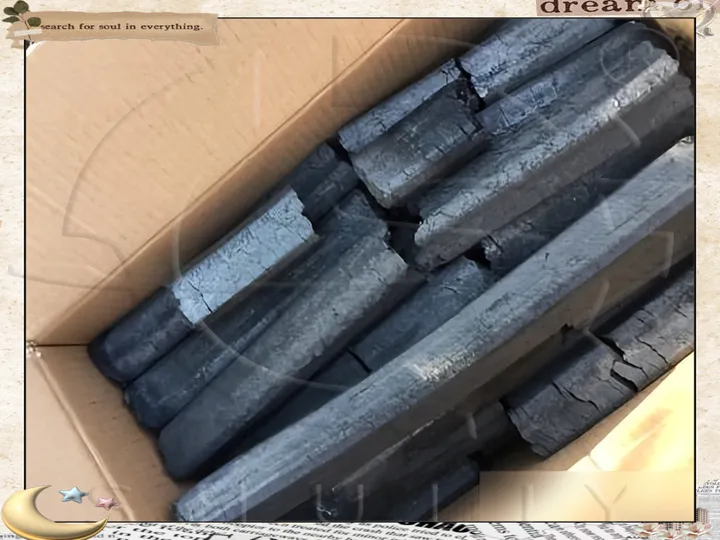
BBQ and Grilling: Bamboo charcoal burns hotter and cleaner than traditional wood charcoal, making it ideal for barbecue applications. It produces less smoke and ash while providing consistent heat for 4-6 hours.
Household Heating: In many Asian countries, bamboo charcoal is used as a clean-burning fuel for cooking and heating, particularly in rural areas where bamboo is abundant.
Industrial Fuel: High-quality bamboo charcoal serves as a renewable fuel source for industrial boilers and furnaces, replacing fossil fuels in environmentally conscious operations.
2. Water and Air Purification
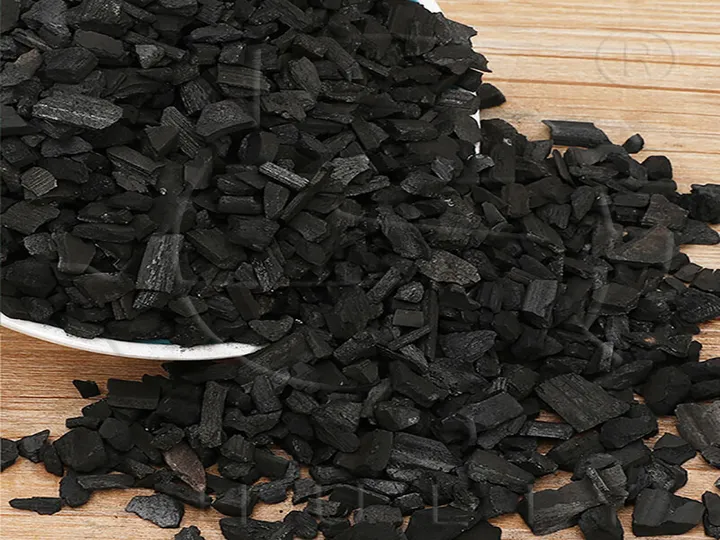
Bamboo charcoal’s porous structure with surface area up to 700㎡/g makes it an exceptional adsorbent material. It effectively removes chlorine, heavy metals, and impurities from water while maintaining beneficial minerals. In air purification applications, bamboo charcoal absorbs odors, moisture, and harmful gases.

3. Textile Industry
Processed into nano-level powder, bamboo charcoal is incorporated into textile fibers to create fabrics with natural antibacterial properties, odor resistance, and moisture-wicking capabilities. These textiles are used in underwear, socks, towels, and bedding products.
4. Agriculture and Horticulture
Bamboo biochar improves soil structure, water retention, and nutrient availability. It serves as a natural soil amendment that can increase crop yields by 10-20% while sequestering carbon.
Benefits of Using Shuliy Bamboo Charcoal Making Machines
Our bamboo carbonization machines are engineered to deliver superior performance and reliability. Here are the key advantages that set our equipment apart:
- High Conversion Efficiency: Our machines achieve charcoal yield rates of 30-35% from raw bamboo, maximizing your raw material utilization and profitability.
- Energy Recovery System: Combustible gases produced during carbonization are captured and recycled as fuel, reducing external energy requirements by up to 70%.
- Environmental Compliance: Built-in smoke purification systems ensure emissions meet environmental standards, allowing operation in regulated areas.
- Flexible Raw Material Handling: Process whole bamboo stalks (batch type) or crushed bamboo chips (continuous type) depending on your available feedstock.
- Consistent Quality Output: Precise temperature control and uniform heating ensure every batch meets quality specifications for your target market.
- Low Maintenance Design: Heavy-duty construction using Q235 steel and high-temperature resistant materials minimizes downtime and maintenance costs.
- Scalable Solutions: From small 400kg/hour units to industrial 3-ton/hour systems, we offer equipment that grows with your business.
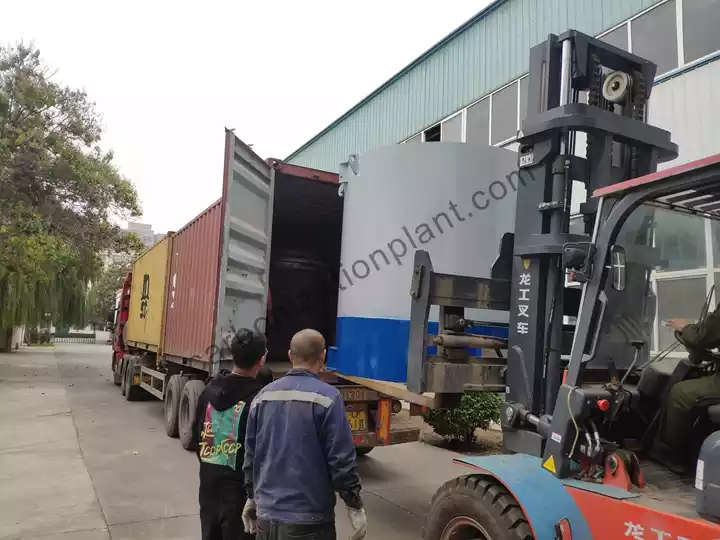
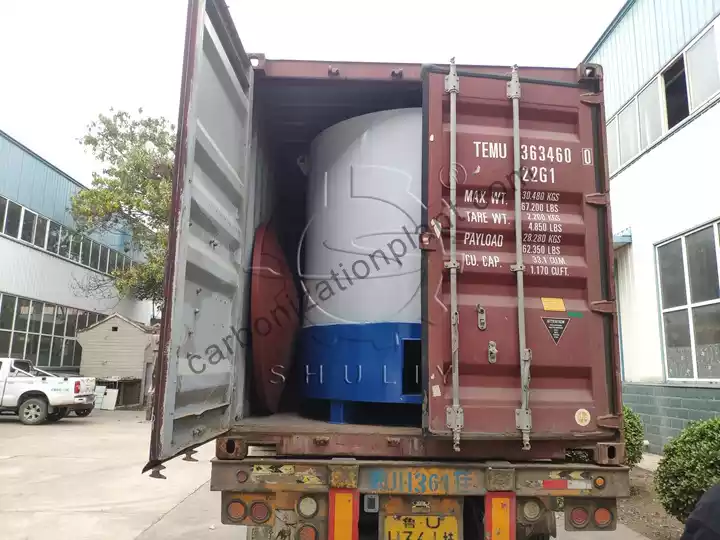
Customer Success Story: Thailand Bamboo Processing Plant
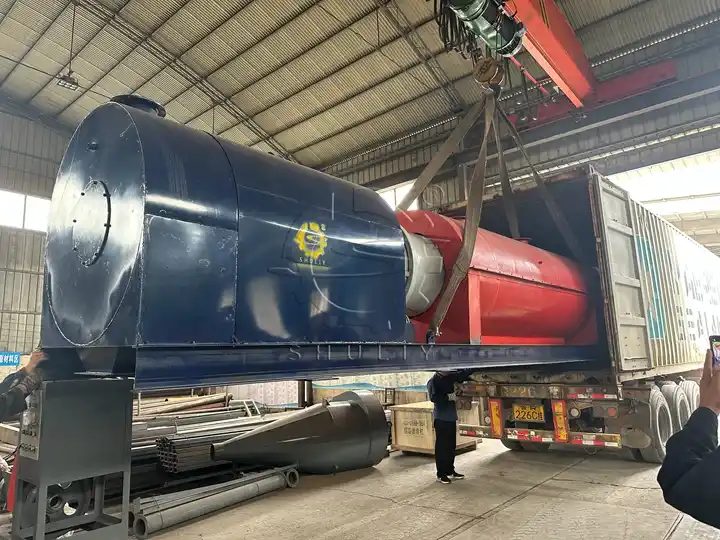
One of our successful implementations demonstrates the profitability of bamboo charcoal production using Shuliy equipment. A wood processing factory in Thailand, located in a region abundant with bamboo resources, invested in our bamboo charcoal making machine to diversify their product offerings and increase revenue streams.
The customer selected our SL-C1500 hoisting carbonization furnace, which produces 0.8-1 tons of high-quality bamboo charcoal per 8-10 hour cycle. The machine’s ability to process whole bamboo stalks without pre-crushing was a significant advantage, reducing labor and equipment costs. After installation and training, the facility achieved full production capacity within two weeks.
The Thai customer reports that bamboo charcoal commands premium prices in both domestic and export markets, with profit margins 40% higher than traditional wood charcoal. The investment payback period was achieved in just 8 months of operation.
Bamboo Charcoal Making Machine Price
The investment required for a bamboo charcoal making machine varies based on capacity, type (batch vs continuous), and automation level. Batch type machines typically range from $3,000 to $15,000, making them accessible for small businesses and startups. Continuous type systems, designed for large-scale commercial operations, range from $20,000 to $100,000+ depending on capacity and features.
When evaluating the cost, consider that a well-operated bamboo charcoal facility can achieve ROI within 6-12 months, given the high market demand and premium pricing for quality bamboo charcoal. Our sales team can provide detailed quotations based on your specific production requirements and budget.
Why Choose Shuliy for Your Bamboo Charcoal Machine?
With over two decades of experience in charcoal machinery manufacturing and exports to 50+ countries, Shuliy Group has established itself as a trusted partner for biomass processing solutions. Our commitment to quality, innovation, and customer success sets us apart:
- Proven Expertise: 20+ years specializing in carbonization technology with continuous product improvement based on customer feedback.
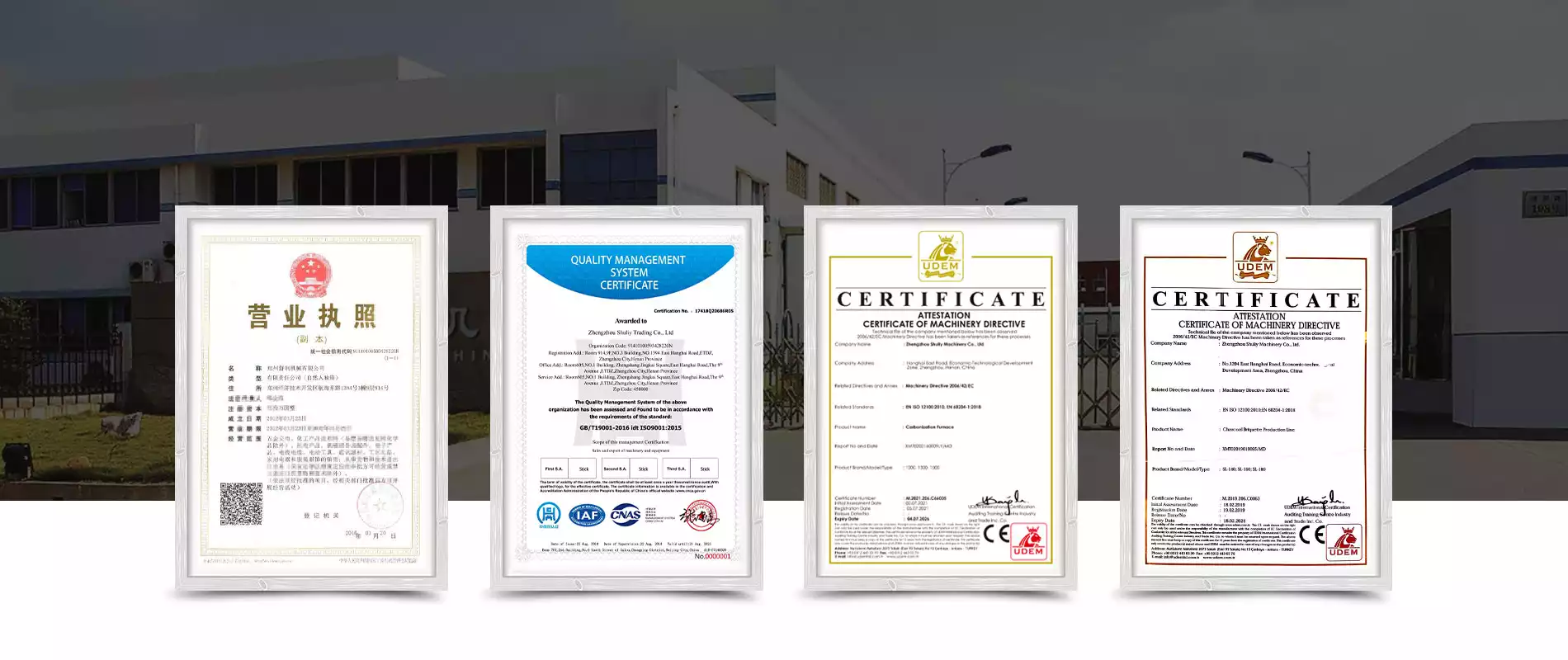
- Quality Assurance: All machines undergo rigorous testing before shipment. We use premium Q235 steel and high-temperature resistant materials for durability.
- Comprehensive Support: From initial consultation and machine selection to installation guidance and after-sales service, we support you throughout your business journey.
- Global Experience: Successful installations across Asia, Africa, Europe, and the Americas give us unique insights into diverse market requirements.
- Customization Options: We can tailor machine specifications to match your specific raw materials, production targets, and local conditions.
Frequently Asked Questions About Bamboo Charcoal Making
What is the difference between bamboo charcoal and wood charcoal?
Bamboo charcoal has a higher surface area (up to 700㎡/g vs 300㎡/g) and calorific value (30% higher than wood charcoal). It also has superior adsorption properties, making it more effective for water and air purification applications. Additionally, bamboo grows much faster than trees, making it a more sustainable raw material source.
How long does it take to carbonize bamboo?
Batch type machines typically require 12-24 hours per cycle including cooling time. Continuous type machines can operate 24/7 with material residence time of 15-30 minutes in the carbonization zone. The exact time depends on bamboo moisture content, size, and desired charcoal quality.
What size bamboo can be processed?
Batch type machines (vertical and horizontal) can process whole bamboo stalks up to 15cm in diameter. Continuous type machines require bamboo to be crushed into chips or sawdust under 2cm size for proper feeding and carbonization.
What is the yield rate from bamboo to charcoal?
Typically, 100kg of dry bamboo produces 30-35kg of bamboo charcoal. The yield depends on bamboo species, moisture content, and carbonization temperature. Higher temperatures produce more charcoal but with lower yield percentages.
Is bamboo charcoal production environmentally friendly?
Yes, bamboo charcoal production is considered environmentally friendly when using proper equipment. Bamboo is a fast-growing renewable resource (harvestable in 3-5 years vs 20+ years for trees). Our machines feature smoke purification systems and recycle combustible gases as fuel, minimizing emissions.
What is the profit margin for bamboo charcoal business?
Profit margins vary by market and application, but typically range from 40-60% for BBQ charcoal and 100-200% for specialized applications like water purification or activated carbon. A small-scale operation can break even in 6-12 months.
Do I need to dry bamboo before carbonization?
Fresh bamboo contains 40-60% moisture and should be air-dried to below 20% moisture before carbonization for optimal efficiency. Our machines can process bamboo with up to 30% moisture, but drying time and fuel consumption will increase.
What support does Shuliy provide after purchase?
We provide comprehensive support including: installation guidance via video or on-site technician (optional), operator training, spare parts supply, technical consultation, and troubleshooting assistance. All machines come with a 1-year warranty and lifetime technical support.
Get Your Bamboo Charcoal Making Machine Quote Today
Ready to start your bamboo charcoal production business? Contact Shuliy Machinery today for a customized quotation based on your specific requirements. Our team will help you select the right bamboo charcoal making machine model and provide guidance on optimizing your production process for maximum profitability.
With the growing global demand for sustainable, high-quality charcoal products, now is the perfect time to invest in bamboo carbonization technology. Let our 20+ years of expertise work for your success.
Contact us now via WhatsApp at +86 19139761487 or email info@carbonizationplant.com to discuss your project and receive a detailed quotation.